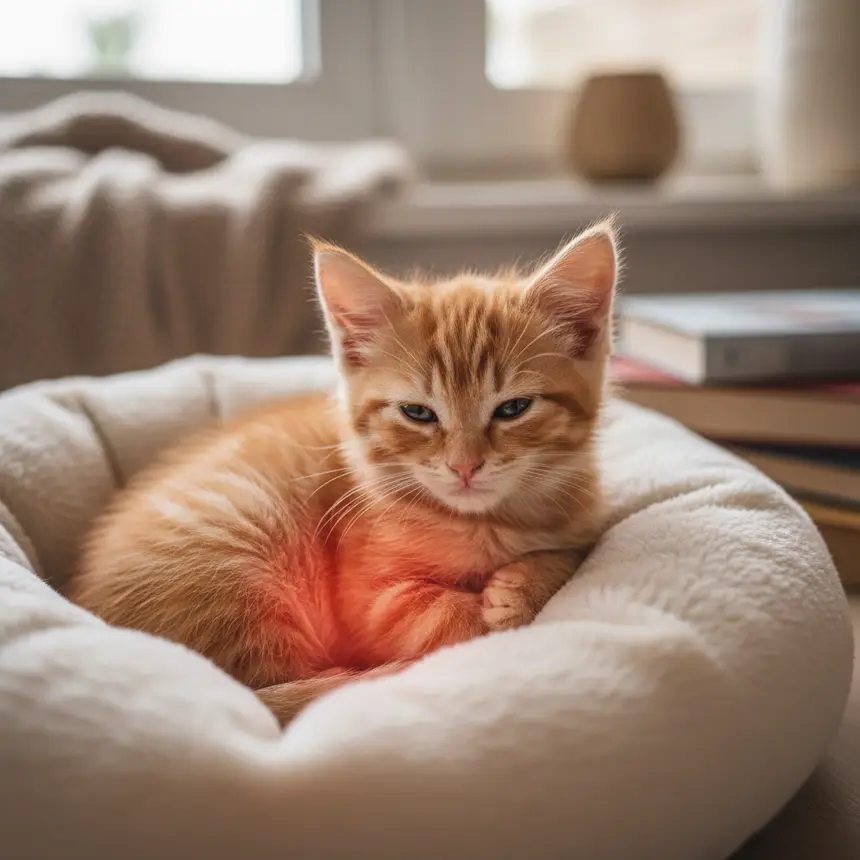
Changes in a senior cat's health are natural. Discover tailored nutritional care and smart food choices for your aging feline's vitality and healthy life.

The Subtle Shifts: A Senior Cat's Journey Through Time
Sharing life with a beloved feline companion is a truly special experience. Yet, as our cherished cats reach the age of seven and enter their senior years, we often observe noticeable changes in their behavior and physical condition. They might play less frequently, preferring longer naps, or you might notice a difference in their body's muscle tone when you cuddle them. These age-related transformations are a natural part of life, but rather than simply attributing them to old age, it's a crucial time to consider tailored care. This will ensure your cat enjoys a comfortable and vibrant senior life. Digestive sensitivities or fluctuations in their overall well-being can also become more common, so pay close attention to even the smallest changes in your pet. These observations are vital signals indicating a need for dedicated attention and appropriate care from you.

Tailored Nutrition: The Key to a Healthy Seniorhood for Cats
As cats age, their bodies undergo various internal transformations. Their metabolism slows down, the immune system can weaken, and natural muscle mass tends to decrease. The function of vital organs may also gradually decline. To effectively support these changes, specialized nutritional management, adapted to their age and physical condition, becomes essential. High-quality protein, for instance, helps maintain crucial muscle mass in older cats. Antioxidants can bolster the immune system and help reduce cellular damage associated with aging. A highly digestible formula, which supports gut health and nutrient absorption, is also very important. Furthermore, a balanced blend of minerals can support the function of key organs such as the heart, kidneys, and bladder. For maintaining skin and coat health, a diet rich in omega fatty acids and vitamin E should be considered. Since indoor senior cats might have reduced activity levels, choosing nutrient-dense food that also helps manage appropriate body weight is recommended. Carefully review the nutritional labels of cat foods and consult with a veterinary professional to select the most suitable diet for your cat's age and lifestyle.
※ This post contains affiliate links. I may earn a commission at no extra cost to you.


A Promise for a Vibrant Senior Life
The most significant actions a pet parent can take to ensure their beloved cat's healthy senior years are consistent attention and proper nutritional management. It's important to periodically assess whether your cat's current diet is appropriate for the physical changes and nutritional needs of their senior stage. When transitioning to a new food, introduce it gradually by mixing it with their old food over a period of at least seven to ten days. This slow transition helps prevent digestive upset. During this period, carefully observe your cat's appetite, digestion, and stool consistency. Maintaining a regular feeding schedule and consistently providing fresh water to encourage hydration are also crucial. Above all, regular veterinary check-ups are paramount to accurately monitor your cat's health status and to develop a personalized care plan based on professional advice. Your dedicated efforts will undoubtedly provide your senior cat with a more comfortable and vibrant life.
Frequently Asked Questions
Q. When is a cat considered a senior?
A. Generally, cats are classified as senior from around 7 years of age. Those over 11 years might be considered geriatric, requiring even more meticulous health management.
Q. What are the most important nutrients to consider when choosing food for a senior cat?
A. For senior cat food, key nutrients include high-quality protein to maintain muscle mass, antioxidants to support immunity, and digestible fibers to aid gut health and digestion.
Q. What precautions should I take when switching my senior cat's food?
A. When changing food, transition gradually over at least seven to ten days by mixing increasing amounts of the new food with the old. Abrupt changes can lead to digestive issues.
Q. Besides reduced activity, what other changes should I observe in my senior cat?
A. Beyond decreased activity, also watch for changes in appetite, water intake, litter box habits, dull fur, increased bad breath, or any signs of discomfort in specific body parts.
Q. How can I manage my senior cat's immune system?
A. Immune system management for senior cats can involve a diet rich in antioxidants, providing a low-stress environment, and ensuring regular veterinary check-ups.