Puzzled by your cat's sudden biting or hissing?
Uncover the hidden reasons behind feline aggression and learn practical, loving solutions to foster peace at home.
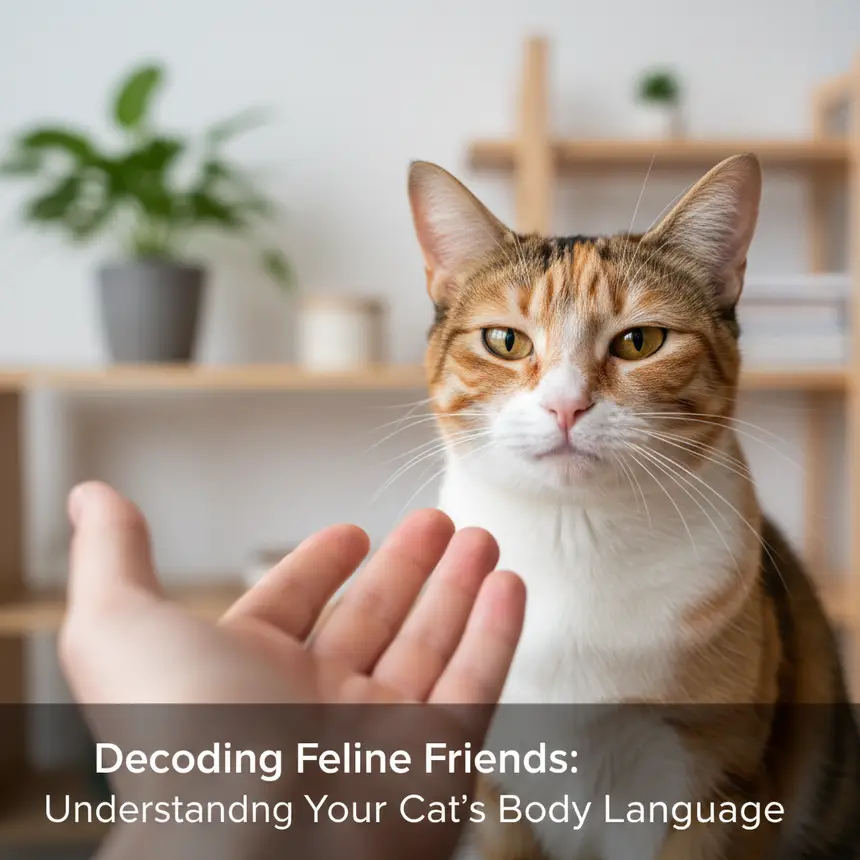
Your Cat's Hissing and Biting: What's the Secret Behind These Puzzling Behaviors?
Your Cat's Hissing and Biting: What's the Secret Behind These Puzzling Behaviors?
When your beloved feline companion suddenly starts hissing fiercely or delivers a sharp bite, it's natural for any pet parent to feel bewildered and distressed. You might find yourself asking, "Why is my cat acting like this?" and grappling with deep concern. However, such behaviors—cat biting, cat hissing, or general feline aggression—are rarely just about being "naughty" or ill-tempered. More often, they are your cat's urgent way of communicating distress. Understanding the true reasons behind these actions and learning to interpret your cat's signals is the first step toward a harmonious and happy life together. Let's demystify feline aggression and uncover effective solutions.

Cat Aggression: More Than Just Personality - Unveiling the Hidden Causes
Cat Aggression: More Than Just Personality - Unveiling the Hidden Causes
Feline aggressive behaviors are often mistakenly attributed solely to a sensitive personality, but a complex array of underlying reasons typically exist. Firstly, territorial instinct is a powerful motivator for cats. When a new pet enters the home, a resident cat's intense reaction is a natural defense of its established territory, making a gradual, scent-based introduction essential. Secondly, subtle social conflicts or hierarchy issues in multi-cat households can escalate into aggression. Observe interactions closely when you're absent, and if discord is noted, separating their spaces to ensure individual security is crucial. Thirdly, fear and anxiety can induce extreme stress, manifesting as defensive aggression, particularly in unfamiliar or perceived threatening situations. Fourthly, physical pain or illness is a significant, yet often hidden, cause of biting or hissing. Cats are adept at concealing discomfort, so any sudden behavioral change, like increased irritability when touched, warrants a veterinary check-up to rule out underlying health issues. Lastly, redirected aggression is common; for example, a cat feeling threatened by an outdoor stray may lash out at the nearest housemate if unable to confront the initial trigger.
※ This post contains affiliate links. I may earn a commission at no extra cost to you.


The First Step to Peaceful Coexistence: Smartly Managing Cat Aggression
The First Step to Peaceful Coexistence: Smartly Managing Cat Aggression
To alleviate your cat's aggression and restore a harmonious relationship, patience and the right approach are key. First and foremost, when your cat exhibits aggressive behavior, it's vital to allow them space to calm down independently. While your instinct might be to comfort or soothe them, attempting to pet or pick them up can actually escalate their agitation. Cats generally dislike forced physical contact, so the best course is to provide a quiet, safe retreat and wait patiently for them to approach you when they feel ready. Furthermore, you must create an environment that minimizes fear and anxiety. Reduce exposure to unpredictable situations or unfamiliar sounds, and ensure ample safe hiding spots like boxes or cat trees where they can retreat. Hunger can also heighten anxiety and trigger aggression, so provide regular, sufficient meals to meet their basic needs. Crucially, direct physical punishment must be avoided at all costs, as it eradicates trust and can exacerbate aggression.

Daily Tips for Managing Feline Stress and Improving Behavior
Daily Tips for Managing Feline Stress and Improving Behavior
Reducing aggressive behavior in cats requires consistent effort in daily life. First, incorporate regular play sessions to help your cat expend energy constructively. Utilize interactive toys like feather wands or laser pointers that mimic prey, always concluding the play with a successful "catch" to fulfill their hunting instinct and provide a sense of accomplishment. Second, environmental enrichment is highly beneficial for stress reduction. Provide cat trees, scratching posts, and elevated perches near windows, allowing your cat to explore their territory and feel content. Third, implement positive reinforcement training. Ignore undesirable aggressive behaviors, and instead, reward calm, desirable actions with praise or treats to reinforce good habits. Fourth, in multi-cat homes, ensure sufficient individual resources for each cat—separate food and water bowls, litter boxes, and resting spots—to minimize competition and potential conflict. Lastly, prioritize regular health check-ups to rule out any underlying illnesses or pain, as discomfort can heighten irritability and aggression.

Cultivating a Happy Pet Life with Patience and Love
Cultivating a Happy Pet Life with Patience and Love
While aggressive behaviors like biting and hissing can be distressing for pet parents, they are often simply your cat's way of communicating distress and seeking help. Understanding the true causes behind these actions and consistently applying thoughtful solutions is paramount. Patience is often required, and immediate changes may not always be evident. However, through consistent observation, creating a safe and comfortable environment, and above all, unwavering love and understanding, your feline companion will gradually regain their sense of security and show positive changes. Your efforts to interpret their subtle signals and communicate with their world will undoubtedly lead to a deeper, happier bond. May you cultivate an even more harmonious and joyful life with your beloved cat.