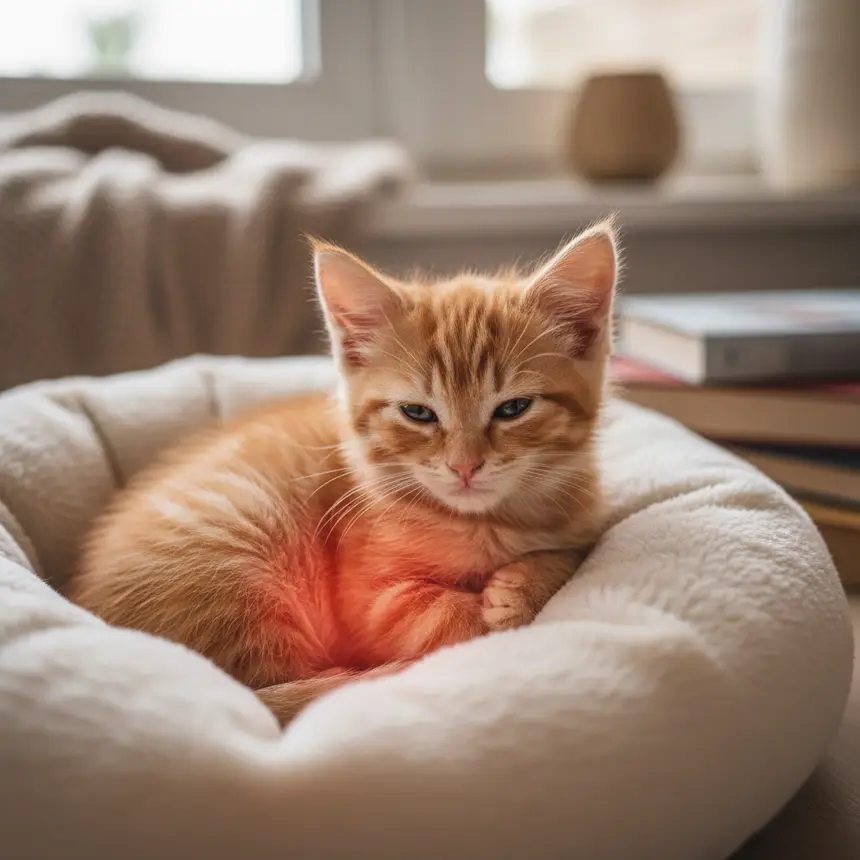
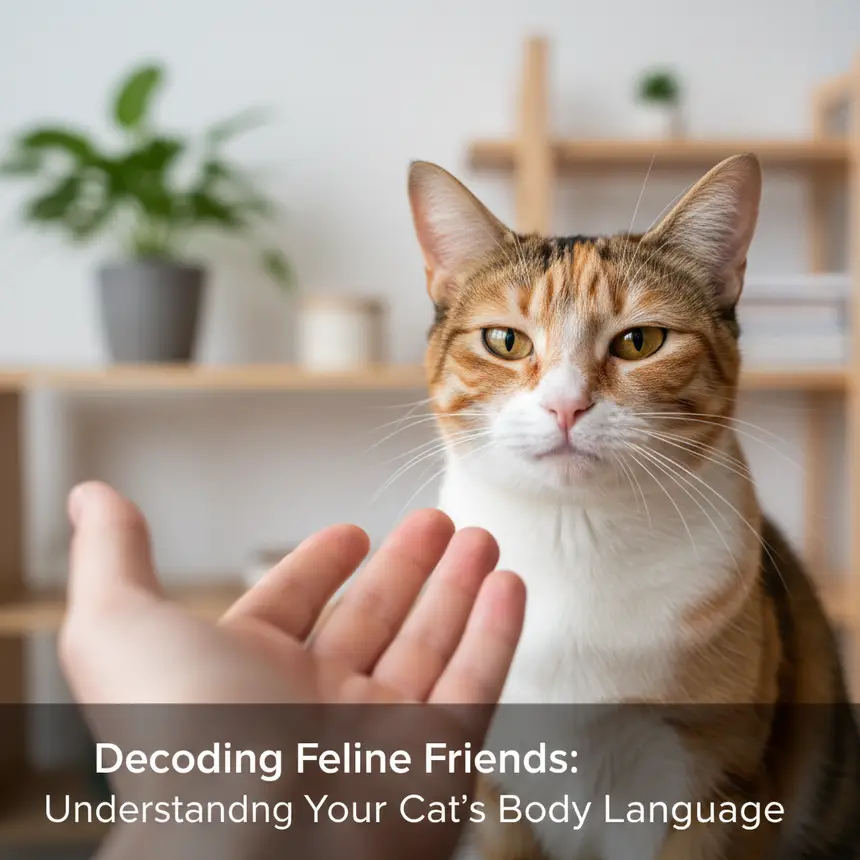
Discover tailored nutrition management for your beloved elderly cat's health. Uncover secrets to protect immunity and vitality with a diet specialized for senior cats.

Recognizing the Signs of Aging in Your Cat and the Importance of Tailored Care
As we share more years with our beloved feline companions, it's natural to observe gradual changes. The once playful cat, who would dash to greet a toy, now spends the majority of its day napping. When you cuddle them, you might notice their body feels a bit softer than the firm muscle you remember. Occasional digestive upsets or fluctuations in mood are clear indicators that your cat is growing older. These aren't just minor signs of aging to be dismissed; rather, they signify that your pet now requires specific nutritional management and care adapted to their life stage. Cats typically enter their senior years around age 7, and from this point, customized nutritional support becomes crucial for maintaining their health and vitality against the natural decline in bodily functions. Providing an appropriate senior cat diet can significantly enhance their overall quality of life by boosting immunity and aiding digestion.

Crafting a Senior Cat Diet: Essential Nutrients for Lifelong Health
A diet specifically formulated for the changing needs of an aging cat is more than just food; it's a vital pillar of health management. As cats age, their activity levels decrease, digestive functions can weaken, and the immune system undergoes changes. Considering these factors, a senior cat food should contain a balanced blend of key nutrients. First, high-quality protein is indispensable for maintaining muscle mass, which naturally declines in elderly cats, and supporting healthy bodily functions. Second, dietary fiber and prebiotics are crucial for promoting gut health and smooth digestion, helping to reduce the risk of issues like constipation or diarrhea. Third, antioxidants play a significant role in neutralizing free radicals that cause cellular damage, thereby bolstering immunity and contributing to overall aging management. Fourth, Omega-3 and Omega-6 fatty acids contribute to healthy skin and a shiny coat, and can also positively impact joint health. Finally, carefully controlled mineral levels are important for protecting kidney and bladder health. A senior diet rich in these balanced nutrients supports the immune vitality of older cats and maintains the function of their vital organs, helping them enjoy a vibrant senior life.
※ This post contains affiliate links. I may earn a commission at no extra cost to you.


Implementing a Gradual Food Transition for Optimal Well-being
The process of transitioning your elderly cat to a senior-specific diet must be thoughtful and gradual. Cats are creatures of habit, and abrupt changes can lead to stress or digestive upsets. Follow these steps to safely switch your cat's food. First, begin by mixing the new food with their current diet. For the initial 2-3 days, incorporate only 25% new food with 75% of their old food. Second, over the next 3-4 days, increase the proportion of new food to 50%. It's crucial to closely observe your cat's digestive status and overall reaction. Third, for another 3-4 days, increase the new food ratio to 75%, and then finally transition to 100% new food for the remaining period. This entire process can take 7-10 days or even longer, depending on your cat's individual adaptability. Throughout the transition, continuously monitor your cat's appetite, stool quality, and activity levels for any changes. If you notice any adverse signs such as vomiting, diarrhea, or appetite loss, immediately revert to the previous food ratio or consult your veterinarian.

Essential Guidelines for Successful Senior Cat Nutrition Management
Nutritional management for elderly cats extends beyond simply changing their diet; it involves considering their entire living environment. To ensure successful care, remember a few additional guidelines. First, regular veterinary check-ups are paramount to periodically assess your senior cat's health status and seek professional advice as needed. For older cats, early detection and management of potential health issues are especially critical. Second, always provide ample fresh, clean water to prevent dehydration. Senior cats may feel less thirsty or find it difficult to access water bowls, so consider placing multiple bowls or low-lying dishes in various locations. Third, establish a comfortable and quiet eating area. Allowing your cat to eat undisturbed by other pets or noise can help stimulate their appetite. Fourth, adjust food portions based on your cat's activity level and weight. Overweight can strain joints and worsen health problems, so consult with your vet to maintain an ideal weight and feeding amount. Through these efforts, your elderly cat can enjoy a more comfortable and vibrant senior life, and you can cherish your precious time together for longer. Customized senior diets will be particularly beneficial for cats aged 7 and above, or those showing signs of significantly reduced activity, digestive problems, or decreased immunity.
Frequently Asked Questions
Q. At what age is a cat considered senior?
A. Generally, cats are classified as senior from around 7 years of age. At this stage, physical changes can begin, necessitating special care to prepare for aging.
Q. Why is it important to switch to senior cat food?
A. Senior cats experience physical changes such as reduced activity, decreased digestive function, and weakened immunity. Senior cat food is formulated to meet these changes, providing balanced nutrients for muscle maintenance, improved digestion, and enhanced immunity to support a healthy senior life.
Q. What precautions should be taken when transitioning to senior cat food?
A. Abrupt changes in diet can stress your cat or cause digestive upset. It's essential to gradually mix new food with old food over at least 7-10 days. Closely monitoring your cat's reaction during this process is crucial.
Q. What should I do if my senior cat's appetite decreases?
A. Reduced appetite is common in senior cats. If their appetite wanes, you can try warming their food to enhance its aroma or incorporating soft wet food. Persistent loss of appetite could indicate an underlying health issue, so always consult your veterinarian.
Q. Are there any additional health care tips for senior cats?
A. Regular veterinary check-ups, providing fresh water constantly, creating a comfortable eating environment, and adjusting feeding amounts to maintain an ideal weight are all important. Gentle play to encourage mild activity is also beneficial.