Your dog's spinal health is key to a vibrant life. Learn to recognize early signs of canine disc issues and ensure your dog regains mobility through professional diagnosis and structured recovery. Proactive home care and prevention are vital for your beloved pet's well-being.
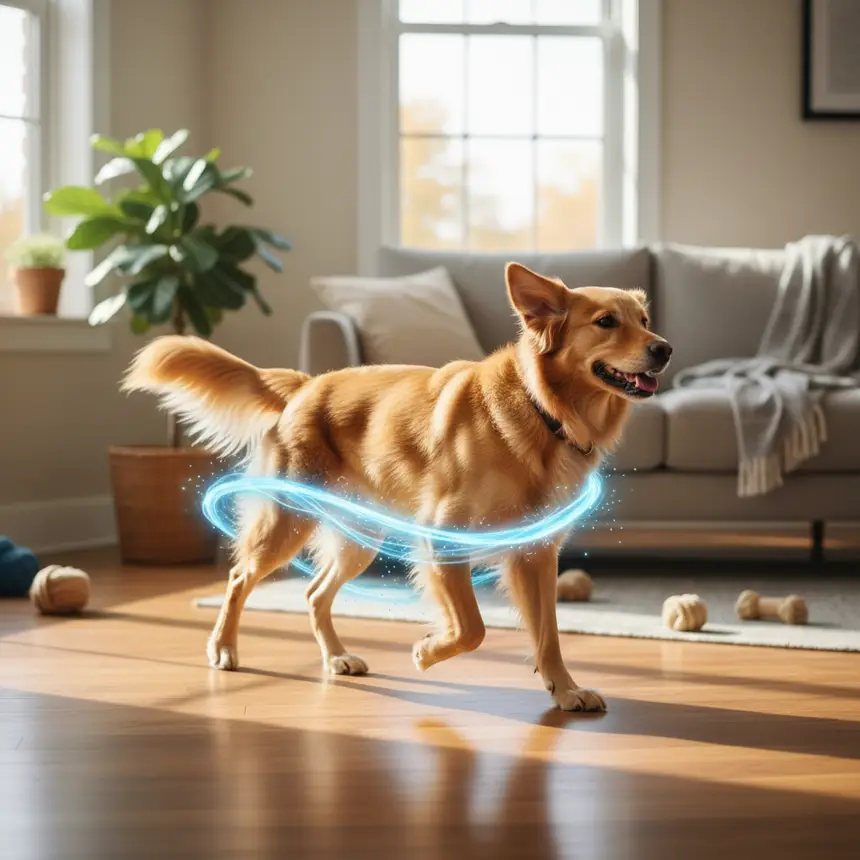
Embracing a Lively Pet Life: The Journey to Spinal Well-being
If your beloved canine companion isn't as playful as before, perhaps dragging a hind leg, limping, or hesitating at the stairs, these could be more than just signs of aging. Such behaviors might indicate significant changes in their spinal health. Conditions like canine disc issues can drastically diminish a pet's quality of life. As a pet parent, your attentive observation and prompt response are crucial in helping your dog regain their joyful mobility. Detecting subtle changes early and taking appropriate action is the first step towards ensuring your furry friend can once again enjoy their everyday activities to the fullest.
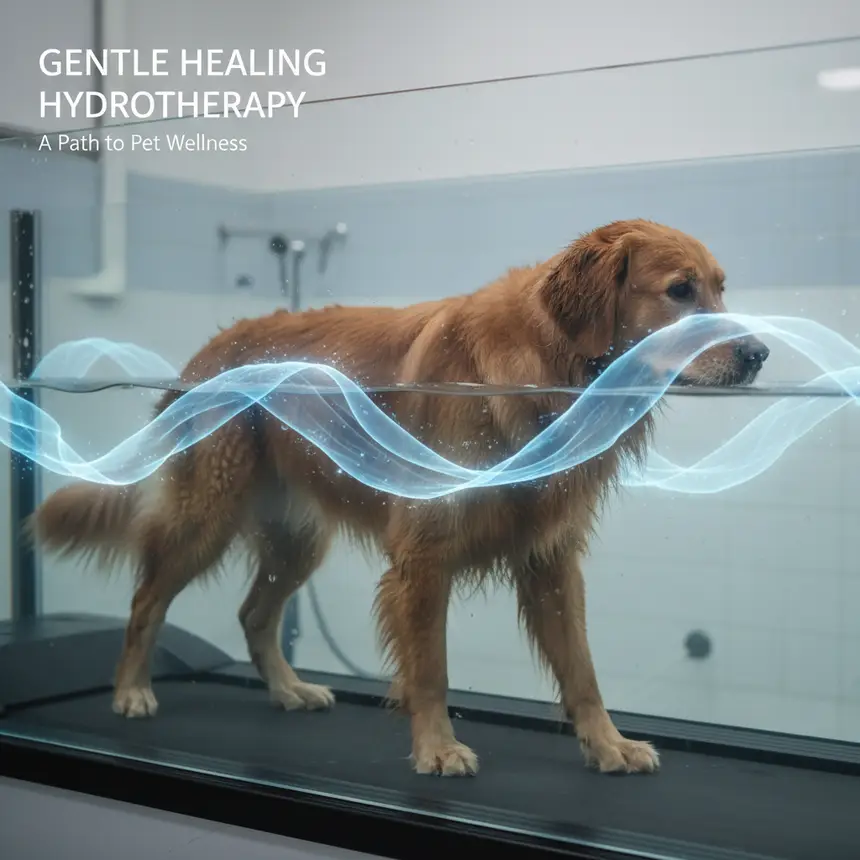
Canine Spinal Issues: Accurate Diagnosis and Professional Recovery Pathways
The initial step in addressing your dog's spinal discomfort is pinpointing the exact cause. Should you notice unusual movements or signs of pain, it's vital to visit a specialized veterinary clinic for a thorough evaluation without delay. Beyond a physical examination, advanced imaging techniques like Magnetic Resonance Imaging (MRI) or Computed Tomography (CT) scans are essential to accurately identify the degree of nerve compression and the precise location of the spinal issue. Even if your pet has undergone previous examinations, a re-evaluation to reflect their current neurological status might be necessary, forming a critical foundation for establishing a safe and effective recovery plan.
Once an accurate diagnosis is established, you will collaborate with your veterinarian to determine the most suitable management approach for your dog. Various strategies may be considered, tailored to your pet's condition and the severity of their spinal challenge. While some cases might benefit from non-invasive methods to alleviate discomfort, severe nerve compression may necessitate specialized intervention. Such procedures demand the anatomical expertise and precise skills of an experienced veterinarian, focusing on effectively relieving nerve pressure while minimizing damage to surrounding tissues. This directly impacts reducing your dog's pain and accelerating nerve regeneration.
Following specialized intervention, a structured rehabilitation program becomes an indispensable part of the recovery journey. Initially, pain management and restricted movement are key to supporting stable recovery. Subsequently, a gradual progression through various rehabilitation techniques such as massage, passive range-of-motion exercises, and physical therapy using hydrotherapy treadmills or gym balls will help restore lost muscle strength and stimulate nerve function. Your patience and consistent participation are paramount throughout this process, with minimizing stress for your dog while preventing muscle atrophy being central to successful rehabilitation. This journey is not a short-term fix but a long-term commitment to helping your canine companion stand strong once more.
Once an accurate diagnosis is established, you will collaborate with your veterinarian to determine the most suitable management approach for your dog. Various strategies may be considered, tailored to your pet's condition and the severity of their spinal challenge. While some cases might benefit from non-invasive methods to alleviate discomfort, severe nerve compression may necessitate specialized intervention. Such procedures demand the anatomical expertise and precise skills of an experienced veterinarian, focusing on effectively relieving nerve pressure while minimizing damage to surrounding tissues. This directly impacts reducing your dog's pain and accelerating nerve regeneration.
Following specialized intervention, a structured rehabilitation program becomes an indispensable part of the recovery journey. Initially, pain management and restricted movement are key to supporting stable recovery. Subsequently, a gradual progression through various rehabilitation techniques such as massage, passive range-of-motion exercises, and physical therapy using hydrotherapy treadmills or gym balls will help restore lost muscle strength and stimulate nerve function. Your patience and consistent participation are paramount throughout this process, with minimizing stress for your dog while preventing muscle atrophy being central to successful rehabilitation. This journey is not a short-term fix but a long-term commitment to helping your canine companion stand strong once more.
※ This post contains affiliate links. I may earn a commission at no extra cost to you.

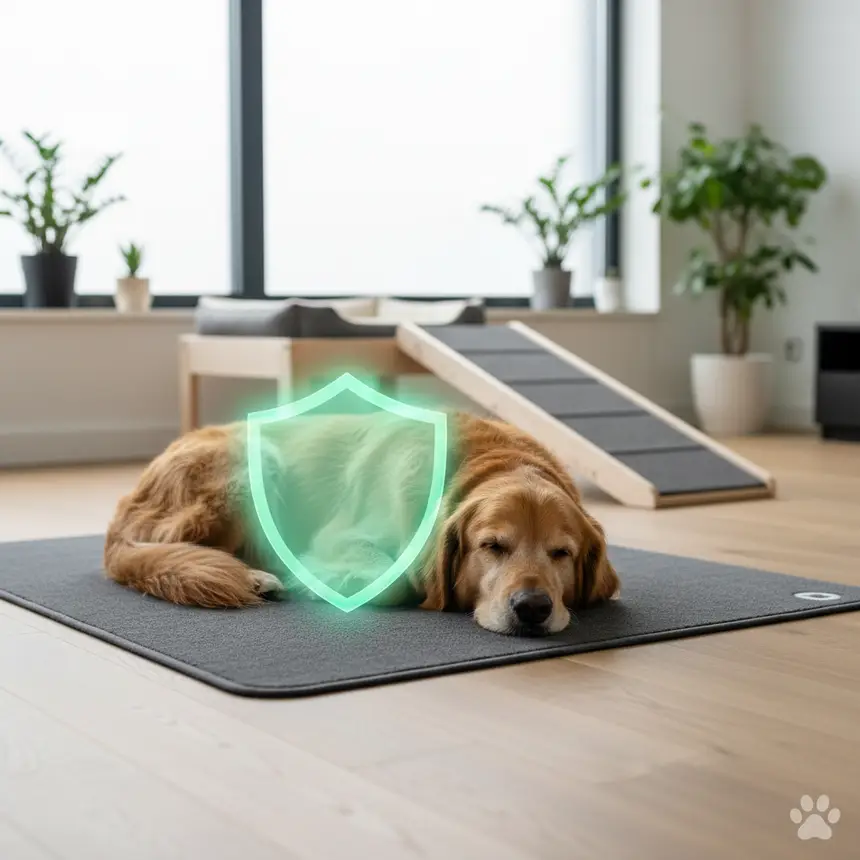
Sustained Home Care and Prevention: Who Benefits Most?
Your dog's spinal well-being relies not only on professional care but also on consistent efforts at home. To prevent recurrence and maintain long-term health, modifying their living environment is crucial. Laying down non-slip mats on slippery floors reduces stress on joints and the spine. Additionally, thoughtful considerations such as installing ramps to eliminate the need for jumping on and off high surfaces are beneficial. Furthermore, maintaining an ideal body weight through a high-protein, low-calorie diet and regular, appropriate exercise is extremely important, as excess weight significantly burdens the spine.
As a pet parent, you should attentively observe your dog, discouraging strenuous jumping or standing on their hind legs. Regular health check-ups, coupled with sensitive monitoring of your dog's behavioral changes, greatly contribute to early detection and prevention of spinal issues. These efforts go beyond temporary management, enhancing your dog's overall health and quality of life. Such proactive care is especially vital for breeds predisposed to spinal problems, senior dogs experiencing degenerative changes, or active dogs at higher risk of spinal injuries. With your devoted care and consistent management, your canine companion can continue to lead a happy, pain-free, and active life.
As a pet parent, you should attentively observe your dog, discouraging strenuous jumping or standing on their hind legs. Regular health check-ups, coupled with sensitive monitoring of your dog's behavioral changes, greatly contribute to early detection and prevention of spinal issues. These efforts go beyond temporary management, enhancing your dog's overall health and quality of life. Such proactive care is especially vital for breeds predisposed to spinal problems, senior dogs experiencing degenerative changes, or active dogs at higher risk of spinal injuries. With your devoted care and consistent management, your canine companion can continue to lead a happy, pain-free, and active life.
Frequently Asked Questions
Q. How can I recognize the early signs of canine disc disease?
A. Early signs of canine disc disease can vary, but commonly include dragging or limping of the hind legs, reluctance to use stairs, a significant decrease in activity levels, avoidance of certain postures, and pain responses when touched. If you notice any of these changes, it's important to seek veterinary attention immediately.
Q. What diagnostic tests are typically performed for canine disc issues?
A. For an accurate diagnosis of canine disc issues, in addition to a physical examination, advanced imaging tests such as Magnetic Resonance Imaging (MRI) or Computed Tomography (CT) scans are essential. These tests help pinpoint the exact location and severity of disc protrusion and nerve compression.
Q. What does canine disc rehabilitation involve?
A. Canine disc rehabilitation progresses through stages, starting with initial pain management and stabilization. It then moves to various physical therapy techniques including massage, passive range-of-motion exercises, and hydrotherapy using a water treadmill or gym balls. This process aims to restore muscle strength and stimulate nerve function, tailored to the dog's condition under the guidance of a veterinarian and rehabilitation specialists.
Q. What can I do at home to help prevent recurrence of disc problems in my dog?
A. At home, it's crucial to install non-slip mats, use ramps, and manage your dog's weight with a high-protein, low-calorie diet and appropriate regular exercise. Additionally, discourage excessive jumping or standing on hind legs, and ensure consistent monitoring of their spinal health through regular vet check-ups.