The 'stay' command is a crucial part of dog training that builds self-control and focus. Discover step-by-step methods and practical tips to create a safe, happy routine for both you and your pet.
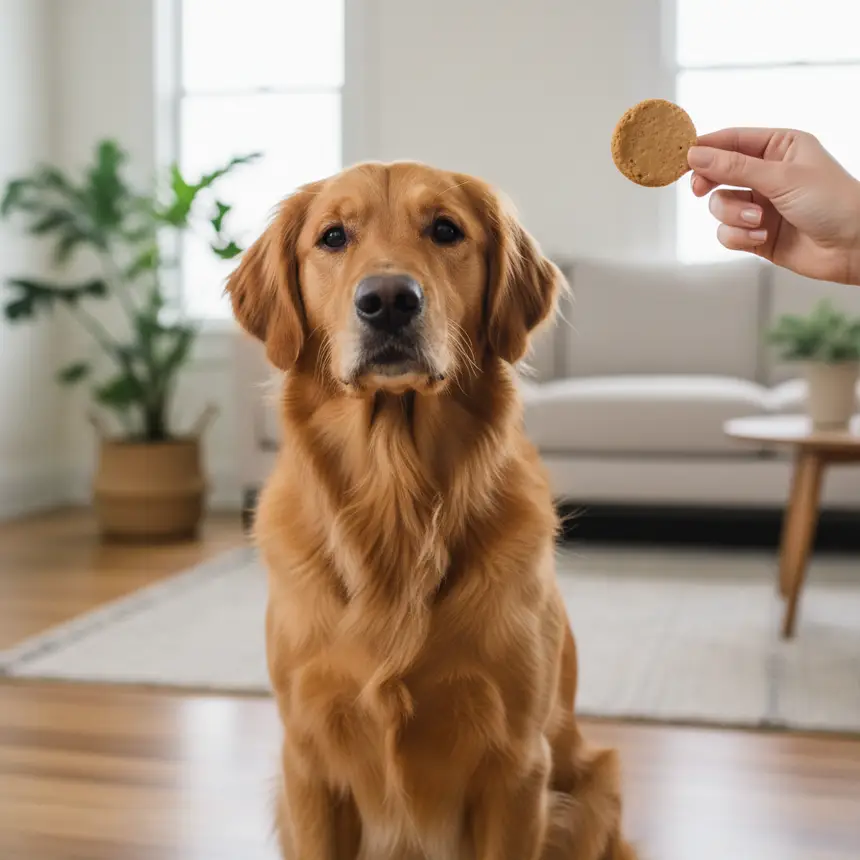
Does Your Dog Need a Little More Patience?
Does your furry friend bolt for food the moment it's served, pull relentlessly on the leash during walks, or become overly excited when encountering other animals? These common behaviors can be challenging for pet parents and pets alike. While seemingly a simple command, the 'stay' cue is a fundamental piece of dog training that significantly enhances your dog's self-control and focus. This vital instruction empowers your canine companion to manage impulsive actions and pay closer attention to your directives. Through consistent 'stay' practice, dogs learn to maintain composure in unpredictable situations, laying the groundwork for a safe and harmonious life together. If you're looking to cultivate greater patience and obedience in your dog, this training could be the perfect solution.

Why the 'Stay' Command is Crucial for Your Canine Companion
Dogs are inherently driven by instinct, often seeking immediate gratification from various stimuli—be it a tempting snack, an exciting walk outside, or an encounter with another dog. These impulsive reactions can sometimes lead to unexpected and potentially hazardous situations. For instance, a sudden dart into traffic during a walk or an overzeuberant greeting that makes others uncomfortable. The 'stay' command goes beyond mere obedience; it teaches your dog to regulate their desires and understand that following your guidance leads to more favorable outcomes. This skill is instrumental in helping your dog develop appropriate social behaviors while simultaneously deepening the trust between you and your pet. Ultimately, this training safeguards your dog's well-being and fosters a peaceful, structured daily life.
※ This post contains affiliate links. I may earn a commission at no extra cost to you.

Step-by-Step Approach to Effective 'Stay' Training
Successful 'stay' training hinges on your patience and the consistent use of positive reinforcement. Begin with these sequential steps:
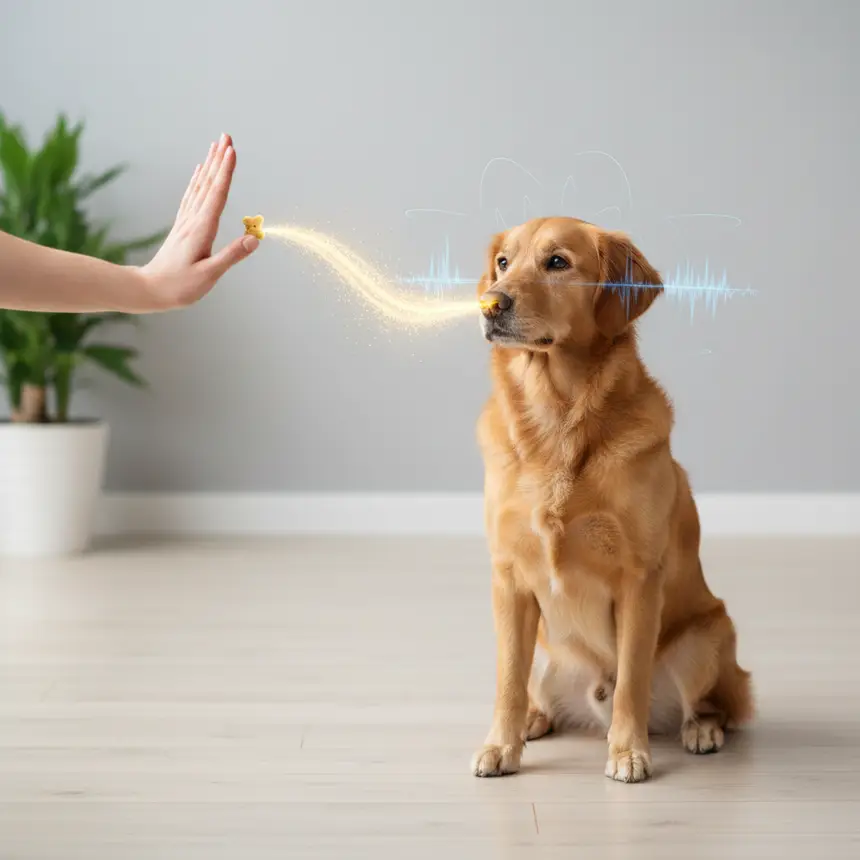
1. Initial Phase (Short Duration): Hold your dog's favorite high-value treat and show it to them. At your dog's eye level, clearly say "Stay" while simultaneously covering the treat with your other hand or placing it out of immediate reach. If your dog attempts to lunge for the treat, gently block them with your hand. The instant your dog pauses, even for 2-3 seconds, immediately offer enthusiastic verbal praise like "Good stay!" or "Yes!" and give them the treat along with gentle petting.
2. Duration Extension: Once your dog consistently succeeds for 2-3 seconds, gradually extend the waiting period to 5, 10, 20 seconds, and beyond. The key is to build confidence through numerous short successes rather than demanding too much too soon.
3. Distance and Distraction Introduction: As your dog masters the duration, begin to increase your distance from them, moving one step, then two, and so forth. Progress from a quiet home environment to areas with mild distractions like a television, a moving toy, or eventually, a calm outdoor setting to enhance their focus under varied conditions.
Should your dog make a mistake during training, avoid scolding. Simply reset and restart the exercise. Through consistent positive experiences, your dog will learn that waiting leads to wonderful rewards.
1. Initial Phase (Short Duration): Hold your dog's favorite high-value treat and show it to them. At your dog's eye level, clearly say "Stay" while simultaneously covering the treat with your other hand or placing it out of immediate reach. If your dog attempts to lunge for the treat, gently block them with your hand. The instant your dog pauses, even for 2-3 seconds, immediately offer enthusiastic verbal praise like "Good stay!" or "Yes!" and give them the treat along with gentle petting.
2. Duration Extension: Once your dog consistently succeeds for 2-3 seconds, gradually extend the waiting period to 5, 10, 20 seconds, and beyond. The key is to build confidence through numerous short successes rather than demanding too much too soon.
3. Distance and Distraction Introduction: As your dog masters the duration, begin to increase your distance from them, moving one step, then two, and so forth. Progress from a quiet home environment to areas with mild distractions like a television, a moving toy, or eventually, a calm outdoor setting to enhance their focus under varied conditions.
Should your dog make a mistake during training, avoid scolding. Simply reset and restart the exercise. Through consistent positive experiences, your dog will learn that waiting leads to wonderful rewards.
Practical Tips for Successful 'Stay' Training
To maximize the effectiveness of your 'stay' training, consider these practical pieces of advice:
- Short, Frequent Sessions: A dog's attention span is limited. Practicing in brief bursts of 3-5 minutes, several times a day, is far more effective than longer, less frequent sessions. Consistency is paramount.
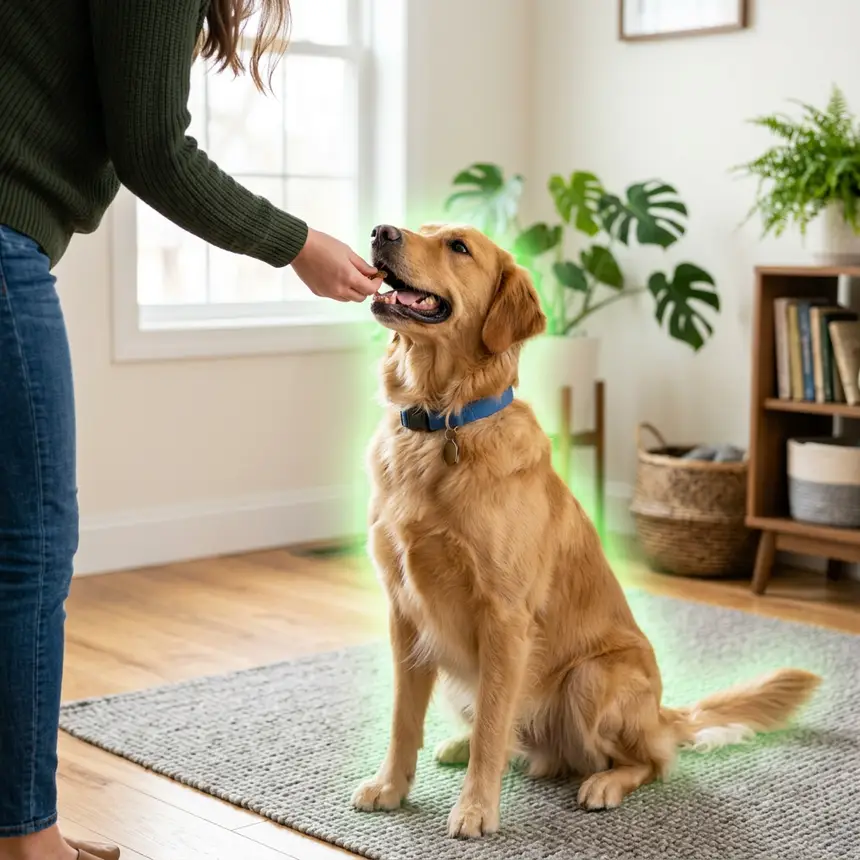
- Positive Reinforcement: Training should always be a positive experience. When your dog performs well, offer generous praise and treats. Never resort to scolding or physical force if they make a mistake. A joyful atmosphere enhances learning.
- Varying Environments: Start in a quiet, distraction-free space. Gradually introduce the training to different settings, such as a busy living room, a balcony, and eventually outdoor areas like a park, to generalize the command for real-world situations.
- End on a High Note: Always conclude your training sessions on a success. Ending positively ensures your dog anticipates the next training session with enthusiasm.
- Maintain Consistency: It's vital that all family members use the same command and training methods. This prevents confusion and allows your dog to learn more quickly.
A Patient Dog: The Foundation of a Happy Life Together
The 'stay' command is much more than mere obedience training. It's a fundamental process that teaches your dog to safely navigate the world, build profound trust with you, and effectively manage their impulses. Through this training, your dog learns to react calmly to external stimuli and focus on your directives. As a result, your dog becomes more composed, and you, as the pet parent, can enjoy a safer and more relaxed life together. Embark on this essential training journey today to strengthen your bond and cultivate a harmonious and joyful daily routine with your canine companion. Consistent effort will undoubtedly lead to remarkable transformations.
Frequently Asked Questions
Q. When is the best time to start 'stay' training?
A. It's generally best to begin 'stay' training once your dog has settled into their new environment and has a grasp of basic house-training, typically around 3-4 months of age. Learning through positive experiences during puppyhood can lead to quicker mastery.
Q. What should I do if my dog repeatedly fails during training?
A. If your dog struggles, avoid scolding or showing frustration. The training might be too challenging, or the environment too distracting. Reduce the training duration or move to a quieter spot to restart, maintaining a positive and encouraging atmosphere.
Q. Can I successfully train 'stay' without using treats?
A. Initially, using high-value treats is highly effective for motivation. As your dog becomes proficient, you can gradually reduce the treat amount or substitute them with other rewards like verbal praise, petting, or a favorite toy to lessen their reliance on food. The ultimate goal is for your dog to respond to your praise alone.
Q. My dog only performs 'stay' well in certain places. How can I generalize it?
A. If your dog's 'stay' command is location-dependent, you need to practice in increasingly varied environments. Start in a familiar, quiet room, then move to a living room with some background noise, a balcony, and eventually outdoor locations like parks or walking trails to help them generalize the command to different settings.
Q. Can 'stay' training help with other behavioral issues?
A. Yes, 'stay' training significantly develops your dog's self-control, which can positively impact various behavioral challenges such as over-excitement, leash pulling, and impulsive dashing through open doors. Enhanced foundational self-control makes it easier for them to learn other commands and behaviors.