Have you noticed your pet's gums bleeding? Learn about the causes, symptoms, and prevention of canine stomatitis. We provide practical tips for maintaining healthy oral care.
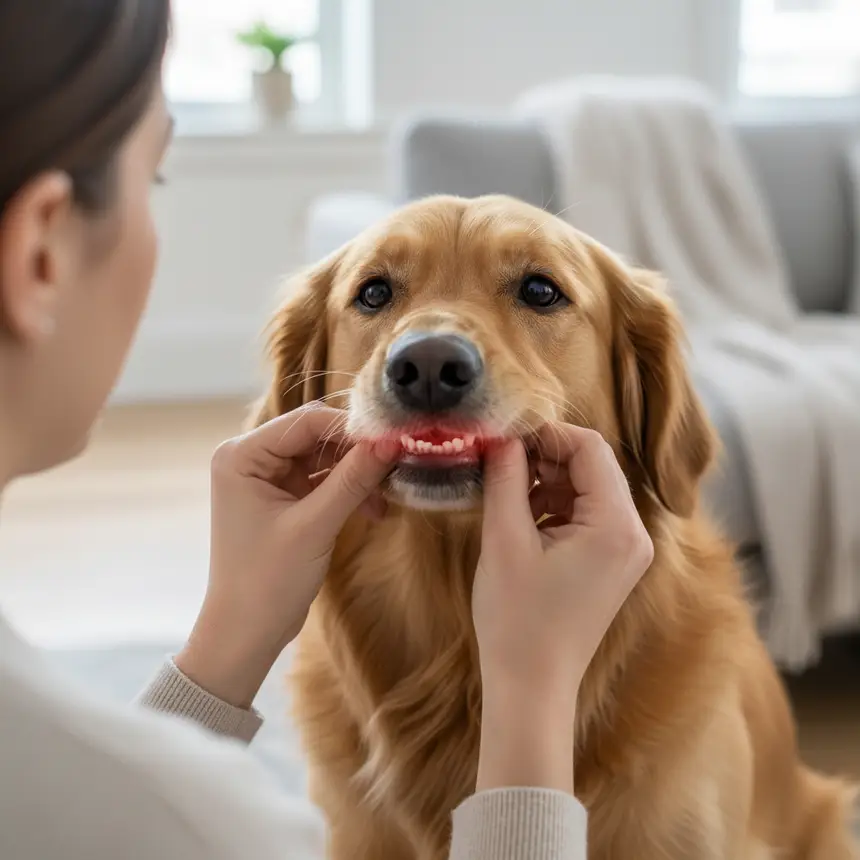
Spotting the Red Flags: When Your Dog's Gums Bleed
Witnessing our canine companions joyfully gnawing on their favorite hard treats brings immense satisfaction. Yet, these very treats can sometimes lead to unforeseen complications. Recently, my own dog developed bleeding gums after indulging in a tough chew, which subsequently led to a noticeable increase in bad breath, prompting a visit to the veterinarian. The vet's examination suggested potential tooth damage and raised concerns about oral inflammation. It's crucial to understand that gum bleeding in pets is rarely a minor issue and can often be a significant indicator of underlying oral health problems, including canine stomatitis. Attentive observation and timely intervention from pet owners are paramount.
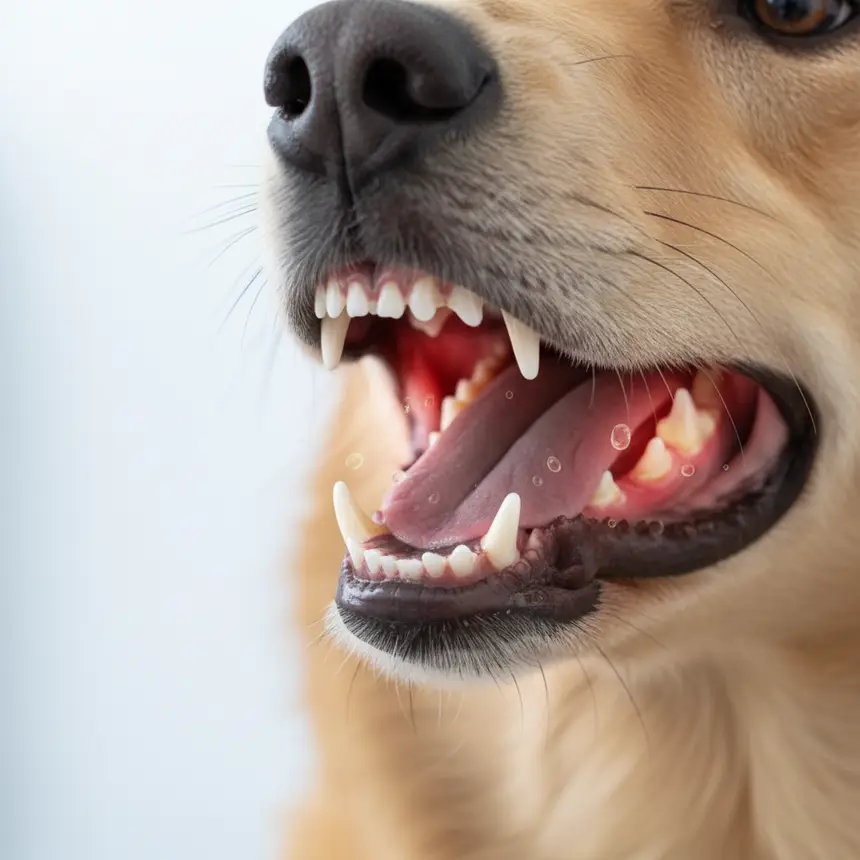
Unpacking the Complex Causes of Dog Gum Bleeding and Stomatitis
Bleeding from a dog's gums can stem from a variety of factors. Direct trauma from hard chews or toys causing tooth damage or gum irritation is a common culprit, often paving the way for secondary bacterial infections within the mouth. Specifically, oral bacteria contribute to plaque formation, and an overactive immune response to this plaque is recognized as a primary cause of canine stomatitis. Furthermore, viral infections, a compromised immune system, and stress can all play a role in the development of oral inflammation. This painful condition can lead to decreased appetite, reduced activity levels, and overall health deterioration, making prompt identification and veterinary consultation essential upon the first sign of symptoms.
※ This post contains affiliate links. I may earn a commission at no extra cost to you.


Holistic Strategies for Optimal Pet Oral Well-being
Ensuring your dog's oral health extends far beyond simple hygiene; it directly impacts their overall systemic health. A comprehensive management strategy can be broken down into three main pillars. Firstly, nutritional considerations are key. Opt for dog foods and treats that support dental health, and steer clear of overly hard items that could fracture teeth or irritate gums. Secondly, prioritize regular professional dental check-ups. Scheduled visits with your veterinarian are vital for assessing oral condition and, if necessary, performing professional cleanings or other dental procedures. Lastly, focus on stress reduction and immune system support. Adequate rest, engaging playtime, and a balanced diet all contribute to strengthening your pet's immunity, which in turn helps prevent oral diseases. Embracing these multifaceted approaches is crucial for maintaining a healthy oral environment for your furry friend.
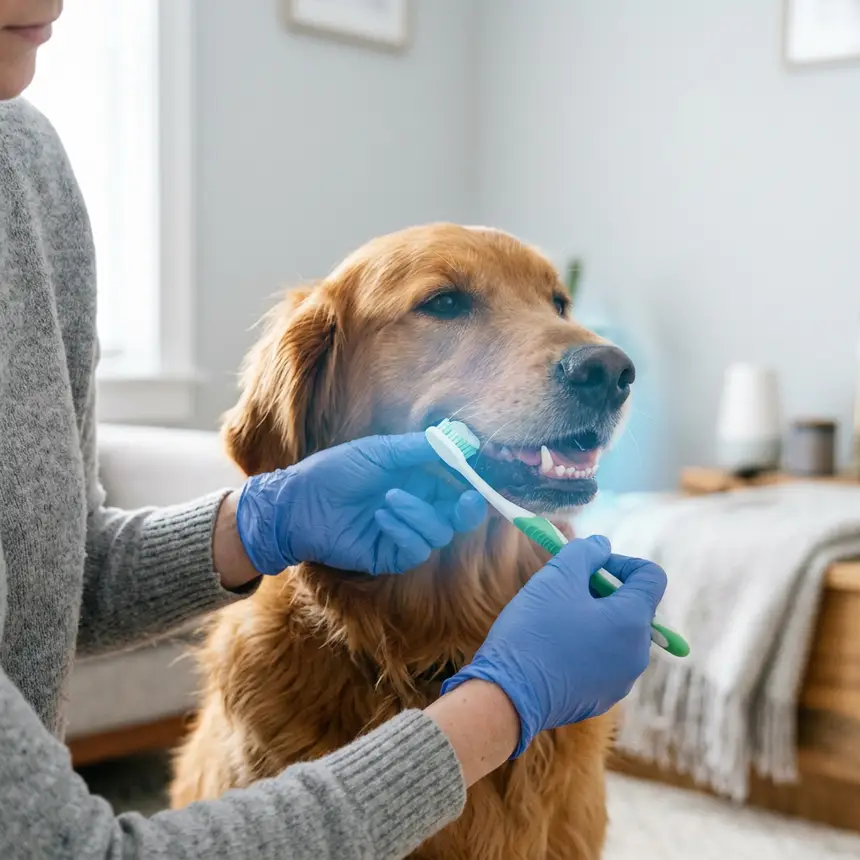
Daily Practices for Maintaining Your Dog's Oral Hygiene
Implementing consistent daily oral hygiene practices is the most effective way to safeguard your dog's gum health. The cornerstone of this routine is regular tooth brushing. Use a pet-specific toothbrush and toothpaste to gently clean your dog's teeth and gums. Initially, your dog might resist, so start with short sessions and gradually increase the duration with patience. If brushing proves too challenging, consider oral hygiene sprays or gel-based products designed to create a protective barrier in the mouth or inhibit bacterial growth, thus supporting gum health. Additionally, providing dental chews or toys specifically designed to help scrape plaque off teeth can be beneficial. Your consistent effort is instrumental in fostering a healthy mouth for your beloved companion.

The Joy of a Healthy Mouth: Your Pet's Well-being Starts with You
A healthy mouth for your canine companion is not merely a matter of hygiene; it is fundamentally linked to their overall quality of life. Oral conditions such as bleeding gums or stomatitis can inflict ongoing pain and discomfort, potentially leading to appetite loss, decreased activity, and even wider systemic health issues. Conversely, a clean and healthy mouth is essential for your dog to enjoy their food and maintain a vibrant, active lifestyle. For the well-being of your cherished pet, make a commitment to prioritize their oral care starting today. Small, consistent efforts will accumulate to protect your dog's greater happiness and health. Your pet's joy truly begins with your caring touch.
Frequently Asked Questions
Q. What should I do if I notice my dog's gums are bleeding?
A. Gum bleeding is a significant indicator of potential oral health issues, so it's crucial to visit your veterinarian immediately for an accurate diagnosis. The appropriate management plan will vary depending on the underlying cause.
Q. What are the common symptoms of canine stomatitis?
A. Key symptoms of stomatitis include bleeding gums, increased bad breath, drooling, reluctance or difficulty eating, pawing at the mouth, and lethargy. If you observe these signs, veterinary consultation is recommended.
Q. What at-home oral care methods can I use for my dog?
A. Regular tooth brushing is paramount, using a pet-specific toothbrush and toothpaste. If brushing is challenging, oral hygiene sprays, gels, or dental treats can help support oral cleanliness.
Q. Are hard treats detrimental to my dog's oral health?
A. Treats that are excessively hard can lead to tooth fractures or gum bleeding. When choosing dental treats, it's best to select options that are effective in reducing plaque without posing a risk to tooth integrity.
Q. What factors should I consider when selecting oral care products for my dog?
A. Consider your dog's age, current oral condition, and preferences. Prioritize products free from harmful ingredients, and those offering specific benefits such as forming a protective barrier in the mouth or inhibiting bacterial growth.