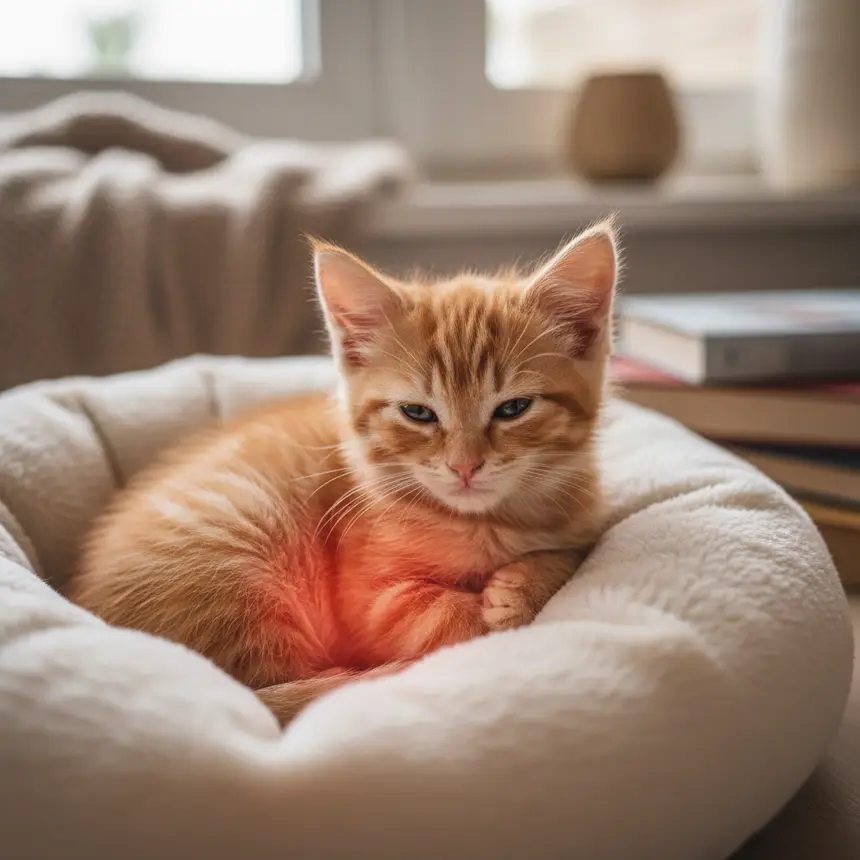
Struggling with your cat's litter box habits? From kittens to adult felines, this guide covers essential tips for optimal litter box placement, selecting the right type, and effective cleaning routines. Ensure a comfortable and hygienic environment for your beloved pet. Discover the secrets to a happy cat and a clean home.

The Cornerstone of Feline Well-being: Why Litter Box Environment Matters
For any cat owner, the litter box is often a primary concern. Providing a comfortable and hygienic place for your cat to relieve themselves is crucial for reducing feline stress and maintaining a pleasant home environment. This is especially true for kittens, as their initial litter box experiences can significantly shape their lifelong habits. Beyond simply placing a box, it's vital to understand the optimal litter box location, choose the right type, and implement effective cleaning routines tailored to your cat's age, personality, and living situation. Is your cat currently enjoying the best possible litter box environment?

Unpacking the Importance of Litter Box Choice and Placement
Cats are inherently clean creatures who prefer privacy and a sense of security during elimination. If the litter box's location, type, or cleanliness falls short of their expectations, it can lead to stress and inappropriate elimination outside the box. Areas near noisy appliances or high-traffic zones like entryways and living room centers can cause anxiety for cats and should be avoided. Respecting a cat's instinct to separate eating and elimination areas means keeping the litter box away from food and water bowls. Poorly ventilated spots can trap odors, making the area unpleasant for both your cat and you. Considering these factors upfront is essential for creating a comfortable and sanitary space.
※ This post contains affiliate links. I may earn a commission at no extra cost to you.


Selecting the Perfect Litter Box for Your Feline Friend
Choosing the right litter box involves considering your cat's age and specific needs.
- Kittens: Due to their small size and underdeveloped jumping abilities, a low-entry, open-style litter box is ideal. Look for boxes with an edge height of 7-10 cm (approximately 3-4 inches), or initially use a shallow tray. Kittens have sensitive paws, so fine-textured litter is best. However, because they might ingest litter, clumping litter is generally recommended for gradual introduction after 2-3 months of age.
- Adult Cats: The box should be at least 1.5 times the length of your cat's body, allowing them ample space to turn around comfortably.
- Open Trays: Offer good ventilation and easy access but can lead to litter scatter and odor diffusion. Suitable for timid cats or those who dislike enclosed spaces.
- Hooded Boxes: Help contain odors and litter scatter but may feel stifling for some cats due to restricted airflow. Cleaning the interior can also be a bit cumbersome. They are often a good choice for adult cats or households where litter scatter is a major concern.
- High-Backed Boxes: Effective for cats who spray or tend to urinate against the side walls, and also help prevent litter from scattering.
- Automatic Boxes: Offer convenience and minimize odors but come at a higher cost, and some cats may be startled by the mechanical sounds. Best considered for multi-cat households or those with long periods away from home.
- Placement: Choose a quiet, low-traffic area where your cat won't be disturbed, such as a room corner or a secluded part of a balcony. Good ventilation, perhaps near a window or vent, is ideal for odor management. For multi-cat homes, follow the 'N+1' rule, meaning provide at least one more litter box than the number of cats you own.

Essential Litter Box Cleaning Routines for a Fresh Home
Maintaining a clean litter box is paramount for your cat's health and the overall hygiene of your home. Regular cleaning practices significantly help prevent behavioral issues where cats avoid their litter box.
- Daily Maintenance: Scoop solid waste and urine clumps at least once or twice daily (morning and evening). In multi-cat households, more frequent scooping is advisable. To manage scattered litter around the box, place a mat underneath and promptly sweep or vacuum up any loose particles to keep the area tidy.
- Regular Full Litter Change and Washing: Every 1-2 weeks, completely empty all the old litter and replace it with fresh litter. After emptying, thoroughly wash the litter box itself with a mild, pet-safe detergent and warm water. Rinse extensively to ensure no soap residue remains, then allow the box to air dry completely in sunlight or a well-ventilated area before refilling. Proper drying is crucial to prevent bacterial growth. This routine ensures your cat always has a clean and safe place for their needs.

A Happy Home Starts with a Well-Maintained Litter Box
A happy cat life stems from consistent care and attention to detail. The litter box, as a fundamental necessity for your feline companion, requires thoughtful consideration. The guidelines presented—correct litter box placement, choosing the appropriate type for your cat's characteristics, and regular cleaning—are all essential for ensuring your cat lives a healthy, stress-free life. A clean and comfortable litter box environment fosters a sense of security in your cat, positively influencing their bond with you. Take a moment today to assess your cat's litter box setup and make any necessary improvements to cultivate a happier, more hygienic life together. Small changes can bring immense joy to your feline friend.
Frequently Asked Questions
Q. What type of litter box is best for a kitten?
A. For kittens, a low-entry, open-style litter box with an edge height of about 7-10 cm (3-4 inches) is ideal. Use fine-textured litter initially, and introduce clumping litter gradually after 2-3 months of age to prevent ingestion.
Q. Where is the best place to put a cat litter box?
A. Choose a quiet, low-traffic area like a room corner or a secluded part of a balcony where your cat won't be disturbed. Good ventilation, such as near a window or vent, helps manage odors. Always keep it separate from food and water bowls.
Q. How many litter boxes should I have for multiple cats?
A. For multi-cat households, it's generally recommended to follow the 'N+1' rule, meaning you should provide at least one more litter box than the number of cats you own. This helps prevent territorial disputes and ensures all cats have a comfortable option.
Q. How often should I clean my cat's litter box?
A. Scoop solid waste and urine clumps at least 1-2 times daily (morning and evening), more frequently for multiple cats. A full litter change and thorough washing of the box should be done every 1-2 weeks to maintain hygiene.
Q. Why does my cat sometimes eliminate outside the litter box?
A. This can be due to a dirty litter box, an undesirable location, an uncomfortable type of box or litter, stress, or even an underlying health issue. Refer to the management tips above, and if the behavior persists, consult a professional.