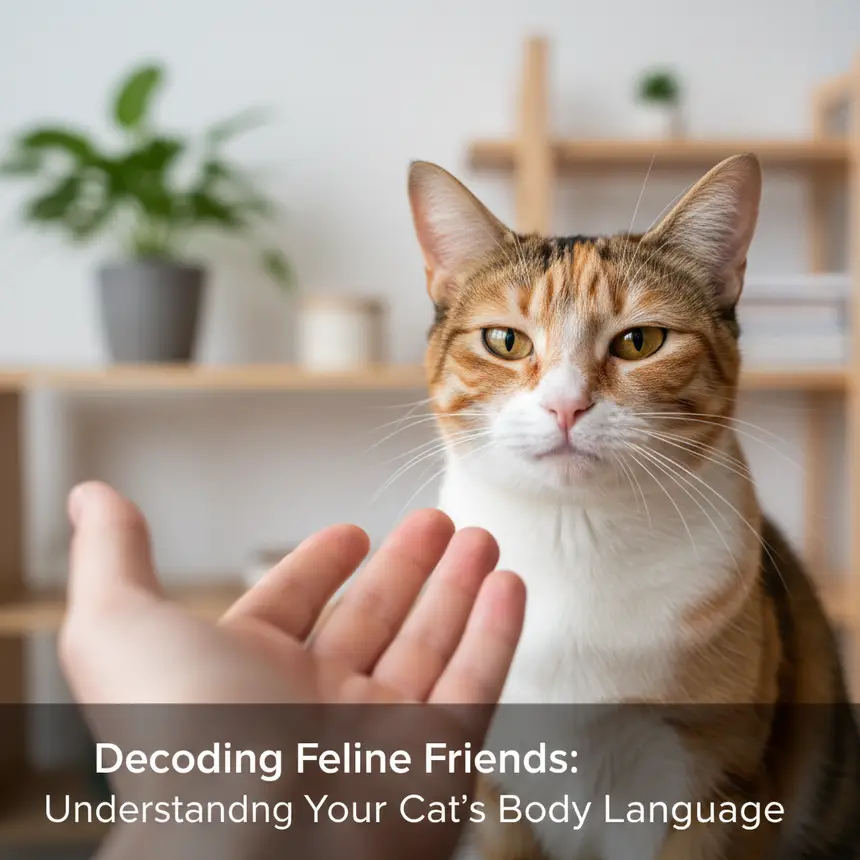
Uncover the hidden reasons behind cat aggression and discover practical solutions for peaceful coexistence. Learn to decode your feline's body language and build a foundation of trust.

Sudden Swats and Bites: What's Behind Your Cat's Aggression?
Many cat parents have experienced it: your seemingly content feline companion suddenly bites or scratches during a petting session, or even when you simply approach them. This unexpected aggressive behavior can be confusing and concerning. Far from being just a 'moody' trait, cat aggression often stems from underlying discomfort, unmet needs, or reactions to their environment. Learning to correctly interpret your cat's signals and understanding their perspective is the first crucial step towards resolving these challenging behaviors.

Unraveling the Diverse Roots of Feline Aggression
Aggressive behavior in cats is rarely simple; it's a complex interplay of various factors. Instead of dismissing it as a personality quirk, it's essential to identify the instinctive, environmental, and physical reasons behind their actions.
- Territorial Instincts: Cats possess a strong sense of ownership over their personal space. The introduction of new people, other animals, or even new furniture can be perceived as an invasion, triggering defensive aggression.
- Fear and Stress: Loud noises, unfamiliar environments, forced interactions, or unexpected changes can induce significant stress and anxiety in cats. When they feel trapped and unable to escape, aggression becomes a self-preservation tactic.
- Insufficient Energy Outlets: As natural predators, cats require ample play to fulfill their hunting instincts. A lack of engaging play can lead to pent-up energy, causing them to view human hands or feet as prey, resulting in rough play or outright attacks.
- Physical Discomfort: A cat experiencing pain or illness might become unusually irritable and aggressive. If your cat suddenly lashes out when touched, it's crucial to rule out any underlying health issues first, as pain can significantly alter their temperament.
- Overstimulation and Misguided Interaction: Cats have a limit to how much physical interaction they can tolerate. Excessive petting or forced cuddles can be highly stressful, leading to aggressive outbursts. Recognizing their subtle cues of displeasure is key to preventing these incidents.
※ This post contains affiliate links. I may earn a commission at no extra cost to you.


Strategies for Peaceful Coexistence: Behavior Modification and Environmental Enrichment
To mitigate feline aggression and foster a happy relationship for both cat and owner, a structured approach is vital. Understanding the root cause allows for the application of targeted solutions.
- Establish Regular Play Sessions: Dedicate at least two 10-15 minute play sessions daily using interactive toys like feather wands. This helps cats expend energy, satisfy their predatory instincts, and significantly reduce the frequency of aggressive behaviors.
- Provide Safe and Personal Spaces: Ensure your cat has access to secure hideaways such as cat trees, cozy boxes, or high perches where they can retreat from external stimuli and feel safe. These safe zones are crucial for reducing stress and anxiety.
- Learn and Respect Feline Body Language: Pay close attention to your cat's subtle signals, such as tail twitching, flattened ears, or a crouched posture, which indicate discomfort or warnings. If these signs appear, immediately cease interaction and give your cat space.
- Foster Gradual, Positive Interactions: Avoid forcing cuddles or picking up your cat. Instead, wait for your cat to initiate contact or show interest, then respond gently. Building trust through short, positive interactions is paramount.

Practical Daily Steps for Lasting Behavioral Change
Alleviating cat aggression requires consistent, patient effort rather than quick fixes. Incorporate the following practices into your daily routine to foster a more positive relationship with your feline friend.
1. Respect 'Quiet Time': Never disturb your cat when they are resting or clearly seeking solitude. Patience is crucial; allow your cat to approach you on their terms.
2. Utilize Treats and Positive Reinforcement: Immediately reward desired behaviors or when your cat disengages from an unwanted action with a treat or calm praise. This helps them associate positive outcomes with appropriate conduct.
3. Minimize Environmental Changes: Cats are sensitive to changes. When rearranging furniture or introducing a new pet, do so gradually and provide ample time for your cat to adjust.
4. Schedule Regular Veterinary Check-ups: Underlying pain or illness can be a significant contributor to aggression. Regular consultations with your veterinarian are essential to monitor your cat's health status.
5. Consider Professional Guidance: If your cat's aggression persists or escalates despite your efforts, consult with a certified animal behaviorist. Their expert advice can be invaluable in identifying specific triggers and developing a tailored behavior modification plan.
1. Respect 'Quiet Time': Never disturb your cat when they are resting or clearly seeking solitude. Patience is crucial; allow your cat to approach you on their terms.
2. Utilize Treats and Positive Reinforcement: Immediately reward desired behaviors or when your cat disengages from an unwanted action with a treat or calm praise. This helps them associate positive outcomes with appropriate conduct.
3. Minimize Environmental Changes: Cats are sensitive to changes. When rearranging furniture or introducing a new pet, do so gradually and provide ample time for your cat to adjust.
4. Schedule Regular Veterinary Check-ups: Underlying pain or illness can be a significant contributor to aggression. Regular consultations with your veterinarian are essential to monitor your cat's health status.
5. Consider Professional Guidance: If your cat's aggression persists or escalates despite your efforts, consult with a certified animal behaviorist. Their expert advice can be invaluable in identifying specific triggers and developing a tailored behavior modification plan.

Building a Fulfilling Life Together Through Understanding and Trust
Cat aggression is rarely an act of malice; it's often a manifestation of their current situation or emotional state. The more effort you invest in understanding their behavior, the deeper your bond will become, and aggressive incidents will naturally diminish. Patience, consistent effort, and communicating at your cat's pace are vital. By comprehending and respecting their world, we can create a more peaceful and joyful shared life. Why not start today by paying closer attention to your cat's subtle cues?
Frequently Asked Questions
Q. Why does my cat suddenly bite me?
A. Sudden biting often results from overstimulation, pent-up energy due to insufficient play, or experiencing pain or discomfort. Observe your cat for stress signals (tail twitching, flattened ears) and consult your vet to rule out health issues if necessary.
Q. What kind of play is best to reduce my cat's aggression?
A. Interactive play that mimics hunting is highly effective. Use wand toys or moving toys for at least two 10-15 minute sessions daily. This helps them expend energy and reduces stress.
Q. How should I handle my cat being aggressive towards strangers?
A. Aggression towards strangers typically stems from territorial instincts or anxiety. Provide your cat with a safe, hidden space when guests are over, and avoid forcing interactions. Slowly creating positive associations (like treats) with new people can also help.
Q. Is my cat's aggression just a bad habit, or is there a deeper issue?
A. Cat aggression is rarely just a 'bad habit'; it's usually an expression of underlying causes like stress, pain, anxiety, or unmet needs. It's crucial to identify the root cause of the behavior and address it appropriately. Professional help from a behaviorist can be very beneficial.