Discover a comprehensive guide to parrot care. Find essential information on proper nutrition, hygiene, and creating an enriching environment for a healthy and happy avian companion.

Is Your Parrot Truly Happy? Overlooked Needs of Your Avian Companion
Parrots, with their vibrant plumage and cheerful calls, enrich our lives and are cherished pets for many. However, caring for these intelligent avian companions involves more than just providing food and water; it demands a deep understanding of their unique needs. Many parrot owners, often due to a lack of comprehensive information, might unknowingly cause stress or health issues for their birds. For instance, signs like lethargy, excessive feather plucking, unusual aggression, or disinterest in their surroundings can be critical indicators that your parrot is experiencing distress or a health problem. Recognizing and responding appropriately to these subtle signals is essential for ensuring your parrot lives a long, healthy, and happy life. Are you confident that your parrot is currently enjoying a fulfilling existence under your care?
Essential Parrot Care Practices: Nurturing Health Through Nutrition, Hygiene, and Environment
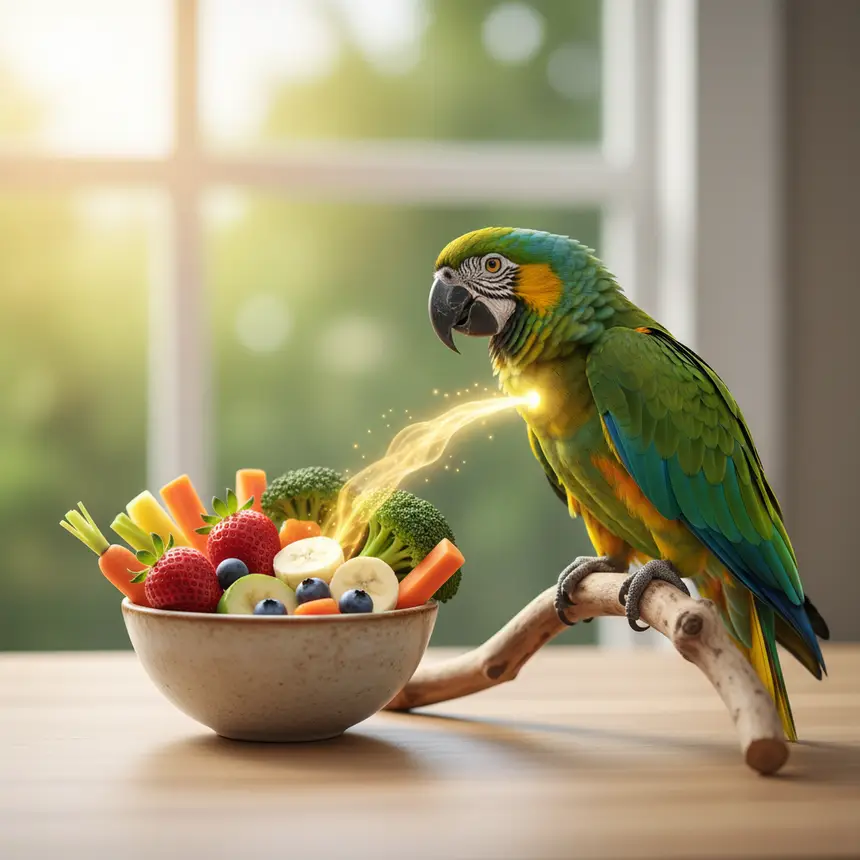
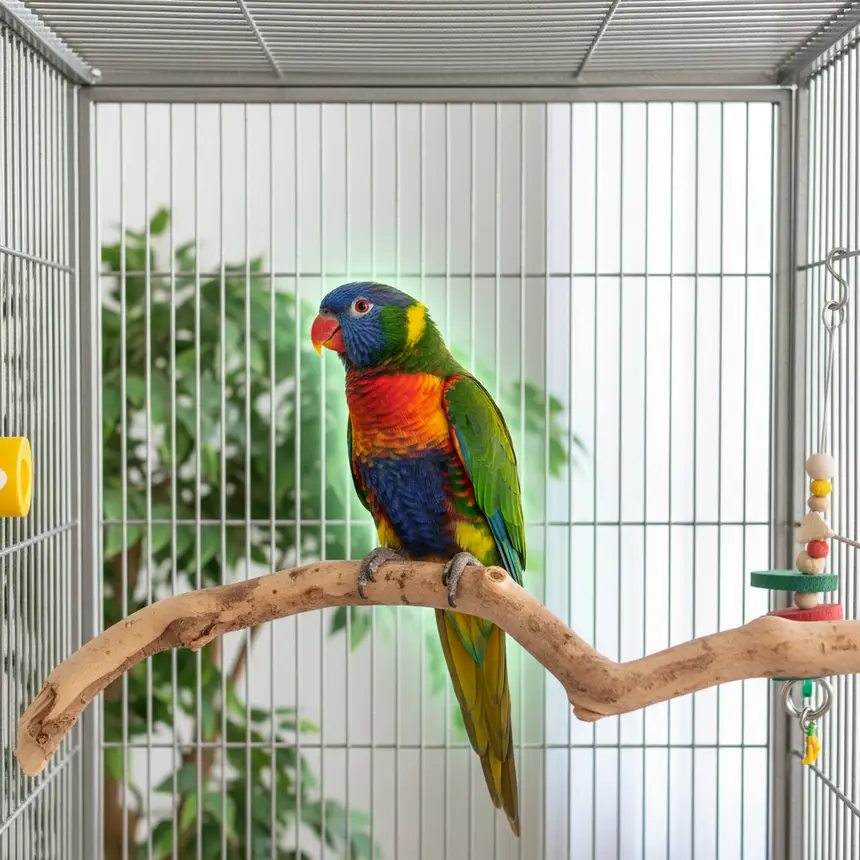
Optimal parrot health stems from a harmonious blend of balanced nutrition, diligent hygiene, and an enriching environment. For nutrition, a high-quality pelleted diet should form the cornerstone of their daily intake, supplemented with a consistent supply of fresh fruits and vegetables to ensure a diverse range of nutrients. Seeds, being high in fat, should only be offered sparingly as treats to prevent obesity. Next, hygiene and grooming are paramount in comprehensive parrot care. Overgrown nails can cause discomfort or injury, so providing perches with varied textures or dedicated grinding tools can aid in natural wear. Professional trimming may be necessary if nails become too long. The beak is also a health indicator; offering hard chew toys and a nutritious diet helps maintain its strength and encourages natural shaping. For feather health, maintain a clean living space and offer opportunities for bathing, such as occasional misting with lukewarm water, which promotes natural preening. Lastly, create an environment that caters to your parrot's intelligence and activity levels. A spacious cage allowing ample flight and movement is crucial. Install various perches of different sizes and materials to exercise their feet. Regularly rotate stimulating toys, such as destructible foraging toys and puzzle toys, to prevent boredom and provide mental enrichment. Consistent social interaction and affectionate engagement with their owner are vital for a parrot's emotional well-being, fostering their social skills. If you must be away for an extended period, consider a reliable bird boarding service, carefully selecting a facility that prioritizes minimizing stress due to environmental changes.
※ This post contains affiliate links. I may earn a commission at no extra cost to you.

Nurturing a Happy Avian Companion: Practical Steps and Important Considerations
Cultivating a joyful life with a healthy and vibrant parrot requires ongoing dedication and attentiveness. Develop a daily routine of observing your parrot's behavior, appetite, and feather condition, noting any deviations from their normal state. Early detection of minor changes can prevent them from escalating into significant health concerns. If you notice anything concerning about your parrot's health or behavior, do not hesitate to consult with an avian veterinarian or a qualified bird expert for accurate advice and guidance. Parrots are highly social creatures, so regular interaction and positive engagement are crucial for their emotional stability and for strengthening the bond you share. Furthermore, parrots can be sensitive to abrupt environmental changes; therefore, striving to minimize potential stressors and providing a stable, predictable environment is vital. By understanding and consistently meeting your pet parrot's physical and mental needs, you can ensure many years of healthy and happy companionship.
Frequently Asked Questions
Q. What kind of food should I give my parrot for good health?
A. A high-quality, nutritionally balanced pelleted diet is recommended as the staple for parrots. Supplement this daily with small amounts of fresh vegetables and fruits to provide essential vitamins and minerals. Seeds are high in fat and should only be given sparingly as treats.
Q. How should I manage my parrot's nails and beak?
A. To naturally wear down your parrot's nails and beak, provide perches of varied textures and safe chew toys. If they become excessively long, causing discomfort or hindering movement, it's safest to seek assistance from an avian veterinarian or a professional with bird care expertise.
Q. What are the signs that my parrot is stressed?
A. A stressed parrot may exhibit excessive feather plucking, loss of appetite, decreased activity, lethargy, or unusual aggressive behavior. If you observe such changes, review their environment for stressors and consult a veterinarian.
Q. What types of toys are essential for parrots?
A. Given their high intelligence, parrots need toys that offer mental stimulation. Destructible wooden toys, puzzle toys, and various swings or ladders can enhance their activity and engagement. Always choose toys made from safe, non-toxic materials.
Q. What should I do with my parrot when I'm away for an extended period?
A. For extended absences, consider a parrot boarding service. It's crucial to select a facility that can provide an environment similar to home and has staff experienced in avian care to minimize stress. Entrusting your parrot to a trusted friend or family member is also a good option.