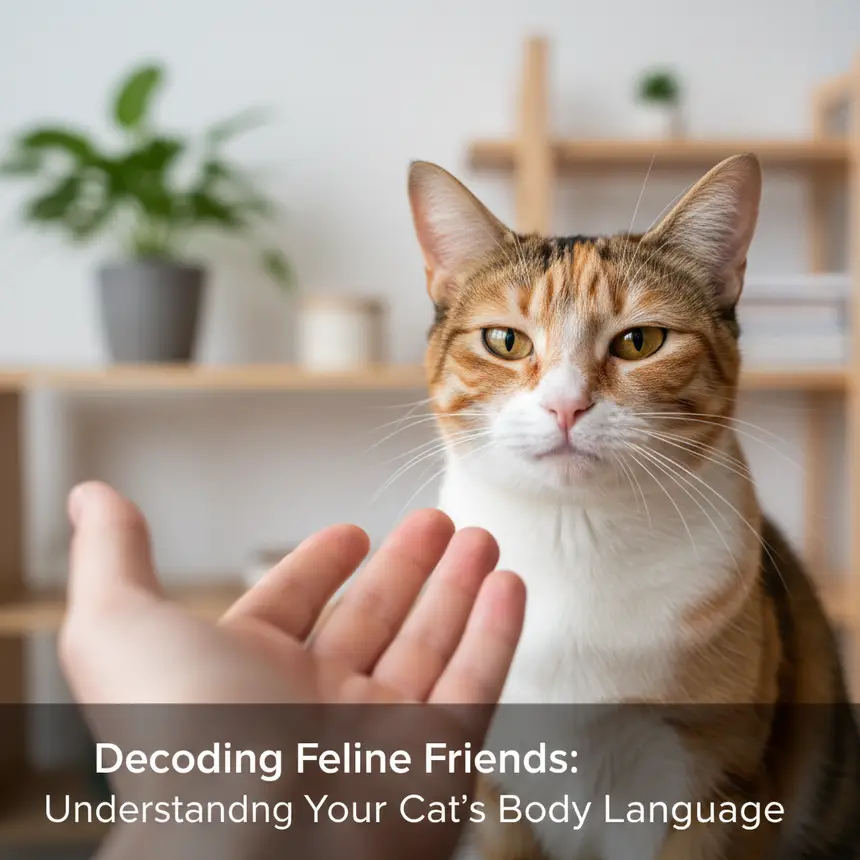
If your cat is showing discomfort while eating or has bad breath, these could be `feline periodontal disease symptoms`. Learn about the risks, 6 overlooked signs, and practical home care tips to protect your cat's oral health. Ensure your beloved feline companion maintains a healthy smile.

The Hidden Pain of Cats: They May Be Hurting Even When They Seem Fine
Have you ever noticed your cat hesitating at their food bowl or turning away from their favorite treats? You might have dismissed it as a loss of appetite or a moment of stress. Cats are masters at hiding pain due to their innate predatory instincts. Oral discomfort and pain, in particular, are often difficult to detect externally, leading to prolonged suffering before owners notice. `Feline periodontal disease` is a prime example of such oral conditions that quietly erode a cat's quality of life. To prevent mealtimes from becoming painful experiences, we need to pay closer attention to our cat's oral health.
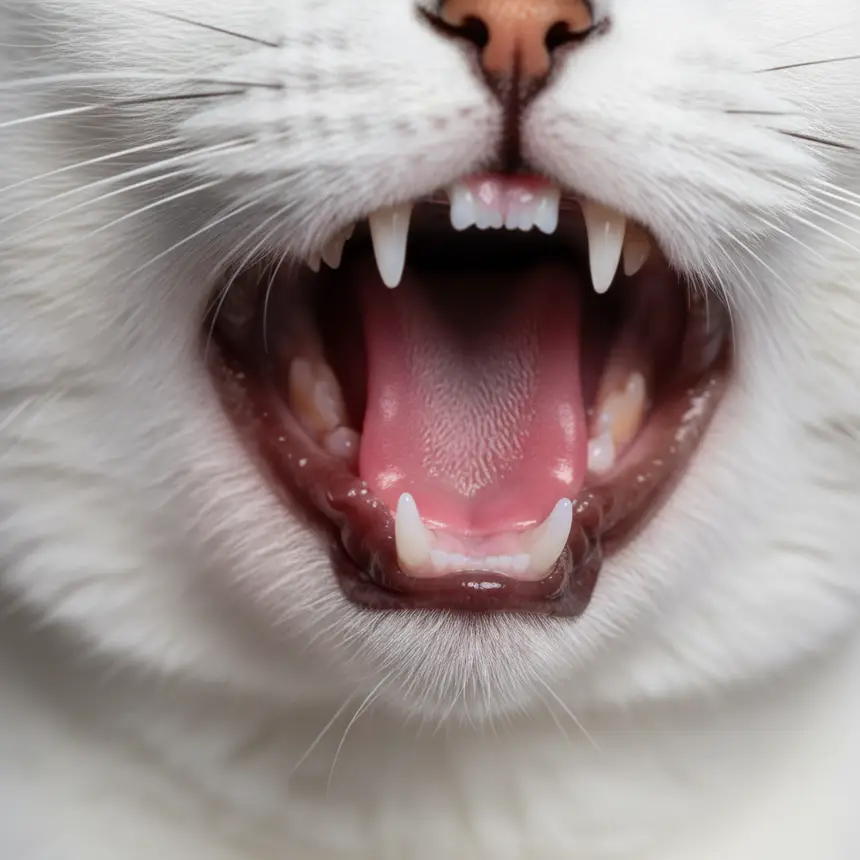
From Bad Breath to Serious Illness: The Dangers of Feline Periodontal Disease
Many pet parents tend to view oral issues as localized inflammation within the mouth. However, `feline periodontal disease` is far more than just a gum problem. Bacteria thriving in the oral cavity can enter the bloodstream through the gum tissue and spread throughout the body. This poses a potential risk, affecting vital organs such as the heart, kidneys, and liver, potentially leading to chronic diseases or exacerbating existing conditions. It's a matter directly tied to your cat's overall well-being. Periodontal disease typically begins as gingivitis, an inflammation of the gums caused by plaque and tartar buildup. If not managed properly at this stage, the inflammation deepens, eventually damaging the bone supporting the teeth, leading to irreversible consequences. While the visible part of the gums can be observed, inflammation around the tooth roots is often hidden, making regular veterinary check-ups crucial.
※ This post contains affiliate links. I may earn a commission at no extra cost to you.

6 Overlooked Symptoms of Feline Periodontal Disease and What to Do
It's essential not to miss the subtle signals your cat might be sending. Pay close attention to these six changes:
- 1. Worsening bad breath: Halitosis is a clear indicator of bacterial overgrowth in the mouth. A noticeably unpleasant odor warrants investigation.
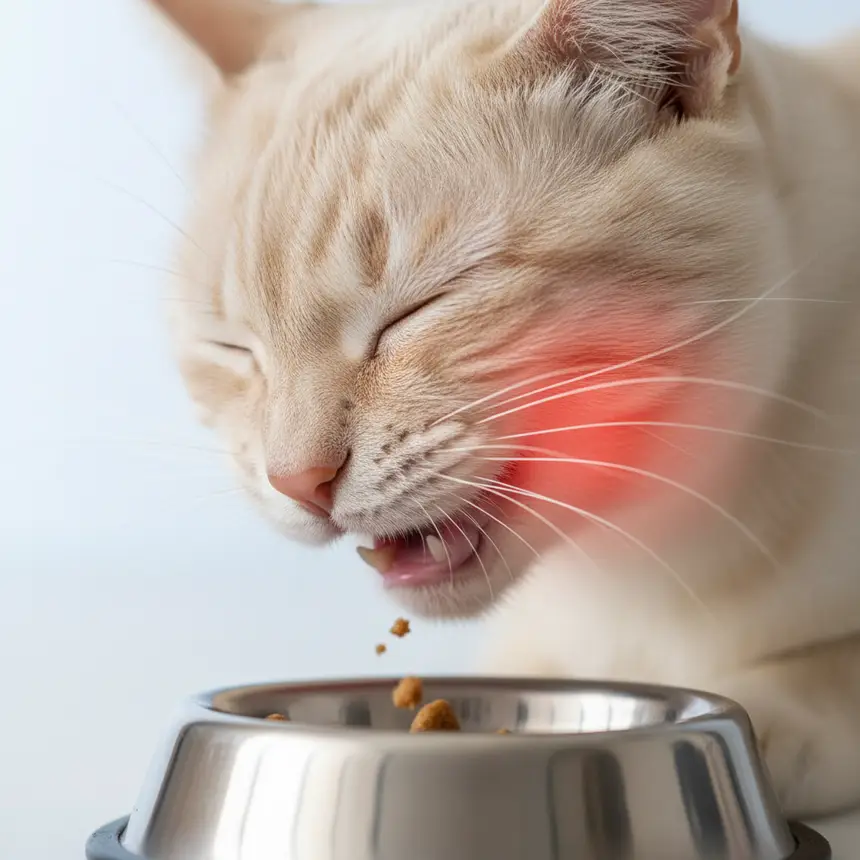
- 2. Dropping or spitting out food while eating: This could signify pain when chewing, making eating difficult.
- 3. Chewing only on one side or taking longer to eat: They might be avoiding a painful area or eating more slowly due to discomfort.
- 4. Frequent drooling or a wet mouth area: Inflammation or pain in the mouth can increase saliva production.
- 5. Sensitivity when touched around the mouth: If your cat unusually flinches or resists when you touch their muzzle, it suggests pain.
- 6. Red, swollen, or bleeding gums: These are direct, visible signs of inflammation. Also check for tartar buildup along the gum line.
Practical Oral Health Management for Your Cat
Improving your cat's oral health doesn't happen overnight; it requires consistent effort. Here are effective strategies you can implement at home:
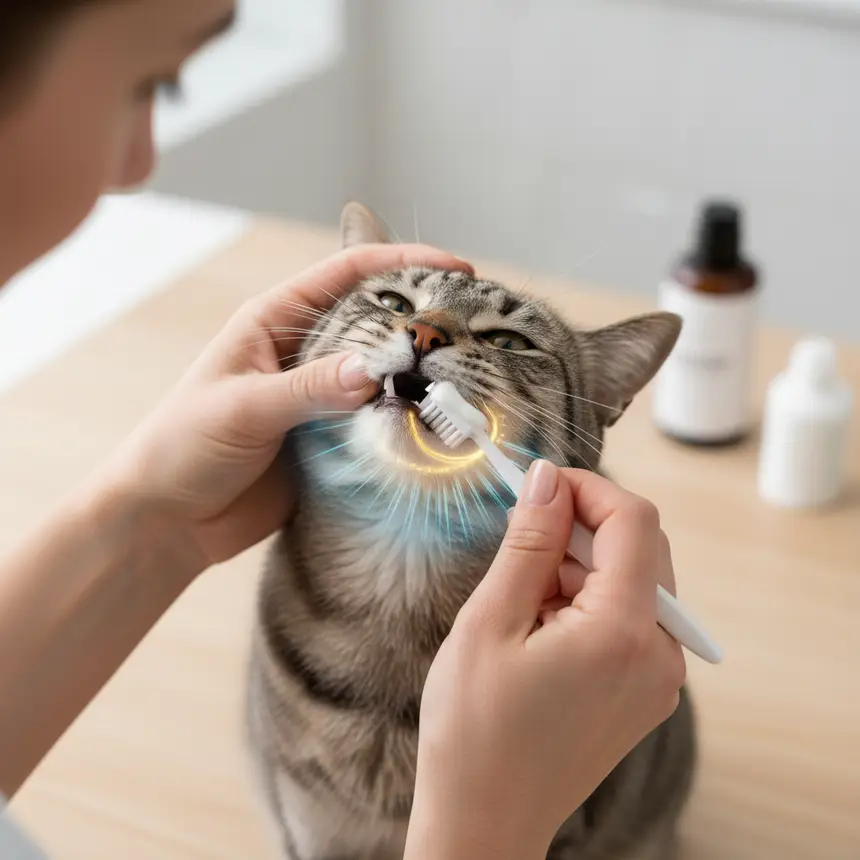
- Establish a regular brushing routine: This is the most fundamental and crucial method. It's best to introduce brushing early, using a soft toothbrush and pet-specific toothpaste, gradually increasing the duration. Aim for at least 2-3 times a week.
- Utilize oral health supplements: Consider dental treats or oral supplements designed to help reduce plaque accumulation on tooth surfaces. However, these serve as an adjunct to brushing, not a primary solution.
- Schedule regular oral examinations: Even if there are no visible issues, problems can develop at the tooth roots or beneath the gums. Annual oral check-ups with a professional are vital. For senior cats aged 7 years and older, the incidence of specific conditions like Feline Odontoclastic Resorptive Lesions (FORLs) increases, necessitating even more vigilant observation and examinations. Following your vet's advice, consider dental X-rays during check-ups to identify lesions not visible to the naked eye.
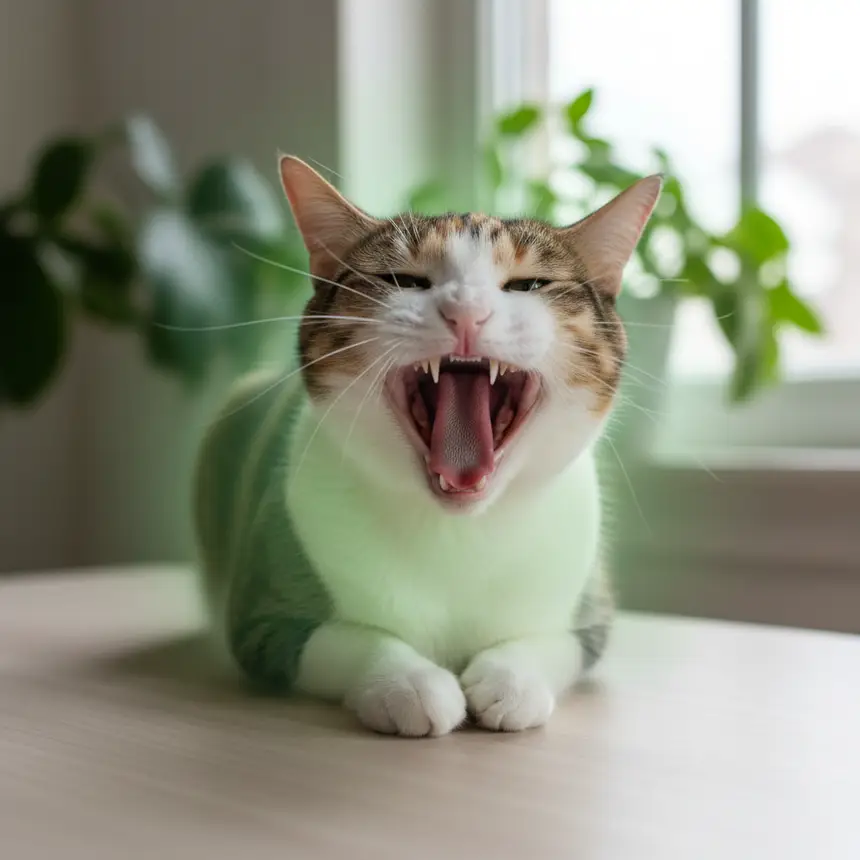
For Your Beloved Cat's Happy Smile
As cherished family members, ensuring our cats live happily and comfortably each day is a vital role for pet parents. `Feline periodontal disease` is more than just an illness; it significantly impacts your cat's overall health and quality of life. Closely observing subtle changes and actively participating in oral health management is essential. While cats are adept at hiding pain, your warm attention and consistent care can protect their healthy smiles. Why not take a closer look at your cat's mouth today and start a small effort for healthier teeth? A healthy life for your cat will lead to a happy companionship.
Frequently Asked Questions
Q. Can feline periodontal disease be prevented at home?
A. Yes, consistent home care is extremely important. Daily, or at least 2-3 times a week, brushing with a soft toothbrush and pet-specific toothpaste, along with giving functional treats that help prevent tartar formation, greatly aids in prevention. However, regular professional check-ups for tartar removal and oral health assessment are essential.
Q. My cat hates brushing its teeth, what should I do?
A. Instead of forcing it from the start, create positive experiences. Begin by gently touching around their mouth with your finger, then gradually introduce gum massages with gauze or a finger brush. Using palatable pet toothpaste and rewarding them with their favorite treats after brushing can also help. Patience and gradual introduction are key to success.
Q. Should I take my cat to the vet immediately if I suspect periodontal disease?
A. Yes, if you observe any `feline periodontal disease symptoms` such as drooling, reluctance to eat, or severe bad breath, it is best to consult a veterinary professional immediately. Oral diseases can cause significant pain and negatively impact a cat's overall health as they progress, so early diagnosis and appropriate management are crucial.
Q. Do senior cats also need dental care?
A. Senior cats are more prone to not only periodontal disease but also specific conditions like Feline Odontoclastic Resorptive Lesions (FORLs), requiring even more meticulous oral care than younger cats. While anesthesia concerns might cause hesitation, consulting with a professional for safe oral health management is vital for maintaining a senior cat's quality of life.
Q. My cat has bad breath; is just brushing enough?
A. Severe bad breath often indicates significant tartar buildup or ongoing inflammation in the mouth. While brushing is effective for prevention, it's difficult to remove already formed tartar or alleviate advanced inflammation through brushing alone. A veterinary examination is necessary to identify the exact cause and determine appropriate action.