Discover dangerous foods your dog should never eat and learn essential tips for a safe canine diet. Get practical advice to prevent accidents and keep your beloved pet healthy.
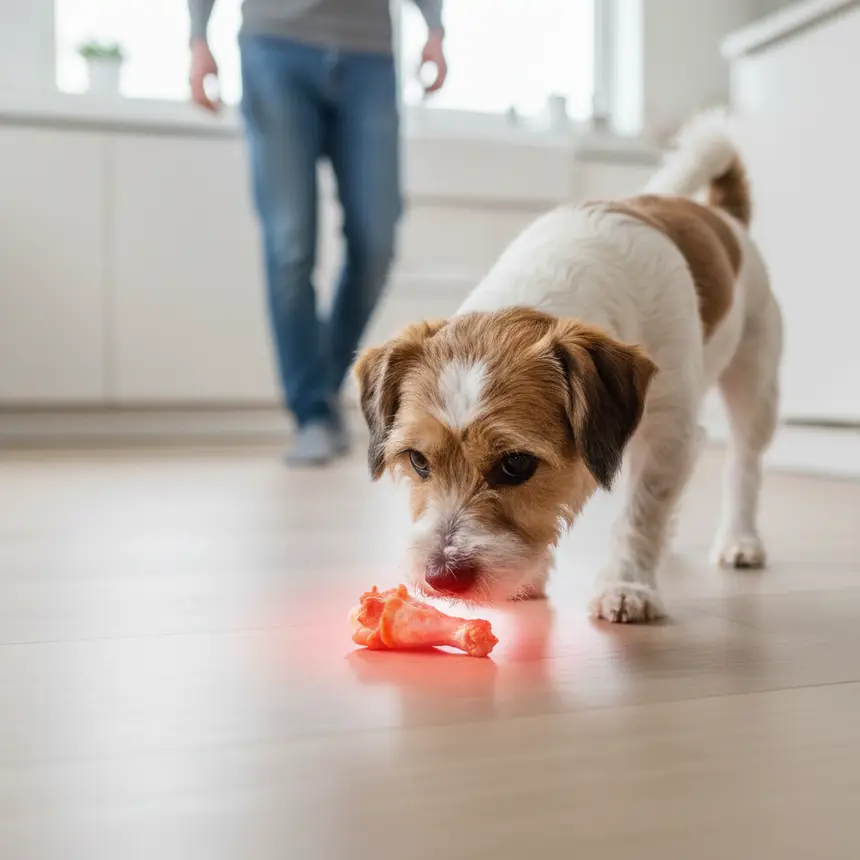
Curiosity Can Be Costly: Unexpected Food Hazards for Your Dog
Curiosity Can Be Costly: Unexpected Food Hazards for Your Dog
Our canine companions possess an incredible sense of smell and an insatiable curiosity. As they explore their surroundings, they often follow intriguing scents and, more often than not, try to put anything new in their mouths. This natural behavior, while charming, can sometimes lead to terrifying situations for pet owners. It's crucial to understand that many common human foods, which we consume daily without a second thought, can be extremely toxic or even fatal to dogs. Even if immediate symptoms aren't apparent, certain substances can gradually undermine their health or trigger sudden emergencies. Therefore, if you suspect your dog has eaten something questionable, swift action is paramount.

Understanding the Harm: Specific Foods and Their Dangers to Dogs
Understanding the Harm: Specific Foods and Their Dangers to Dogs
Foods harmful to dogs can generally be categorized into those containing toxic substances and those posing physical risks. Protecting our furry friends requires a clear understanding and diligent management of these hazards.1. Foods Containing Toxic Substances:
Onions, Garlic, and Chives: These allium vegetables can damage a dog's red blood cells, leading to anemia. Even small amounts, whether cooked or raw, can be dangerous, and symptoms might appear days later.
Chocolate and Caffeinated Products: Theobromine in chocolate and caffeine in coffee or energy drinks are toxic to dogs. They can cause increased heart rate, hyperactivity, tremors, and in severe cases, be life-threatening.
Grapes and Raisins: While the exact mechanism is not fully understood, grapes and raisins are known to cause acute kidney issues in dogs. Even a small quantity can be dangerous, so exercise extreme caution.
Xylitol: This artificial sweetener, found in sugar-free gums, candies, and some toothpastes, causes a rapid drop in a dog's blood sugar, leading to hypoglycemia, and can result in severe liver damage. It is an incredibly dangerous ingredient.
Avocado: The persin compound found in avocados can cause gastrointestinal upset, such as vomiting and diarrhea, in some dogs. While sensitivity varies by breed, it's best not to take the risk.
Alcohol: Alcohol depresses a dog's central nervous system and can drastically lower body temperature, leading to hypothermia and respiratory distress. Even much smaller amounts than those dangerous to humans can be fatal.2. Foods and Items Posing Physical Risks:
Cooked Bones: Bones, especially poultry bones, become brittle when cooked and can splinter into sharp fragments, damaging the esophagus or internal organs. They can also cause blockages in the digestive tract. Always remove bones when feeding meat to your dog.
Fruit Pits and Some Nuts: Pits from fruits like peaches and plums can cause choking or intestinal obstruction. Some pits also contain toxic compounds. Certain nuts, such as macadamia nuts, can also contain harmful substances.
* Food Waste and General Trash: To a dog, a trash can might seem like a treasure trove. However, it can contain not only the dangerous foods mentioned above but also bacteria, mold, and foreign objects that can lead to severe health problems. It's crucial to use pet-proof trash cans with secure lids.
Onions, Garlic, and Chives: These allium vegetables can damage a dog's red blood cells, leading to anemia. Even small amounts, whether cooked or raw, can be dangerous, and symptoms might appear days later.
Chocolate and Caffeinated Products: Theobromine in chocolate and caffeine in coffee or energy drinks are toxic to dogs. They can cause increased heart rate, hyperactivity, tremors, and in severe cases, be life-threatening.
Grapes and Raisins: While the exact mechanism is not fully understood, grapes and raisins are known to cause acute kidney issues in dogs. Even a small quantity can be dangerous, so exercise extreme caution.
Xylitol: This artificial sweetener, found in sugar-free gums, candies, and some toothpastes, causes a rapid drop in a dog's blood sugar, leading to hypoglycemia, and can result in severe liver damage. It is an incredibly dangerous ingredient.
Avocado: The persin compound found in avocados can cause gastrointestinal upset, such as vomiting and diarrhea, in some dogs. While sensitivity varies by breed, it's best not to take the risk.
Alcohol: Alcohol depresses a dog's central nervous system and can drastically lower body temperature, leading to hypothermia and respiratory distress. Even much smaller amounts than those dangerous to humans can be fatal.2. Foods and Items Posing Physical Risks:
Cooked Bones: Bones, especially poultry bones, become brittle when cooked and can splinter into sharp fragments, damaging the esophagus or internal organs. They can also cause blockages in the digestive tract. Always remove bones when feeding meat to your dog.
Fruit Pits and Some Nuts: Pits from fruits like peaches and plums can cause choking or intestinal obstruction. Some pits also contain toxic compounds. Certain nuts, such as macadamia nuts, can also contain harmful substances.
* Food Waste and General Trash: To a dog, a trash can might seem like a treasure trove. However, it can contain not only the dangerous foods mentioned above but also bacteria, mold, and foreign objects that can lead to severe health problems. It's crucial to use pet-proof trash cans with secure lids.
※ This post contains affiliate links. I may earn a commission at no extra cost to you.


Smart Management: Creating a Safe Haven for Your Canine Companion
Smart Management: Creating a Safe Haven for Your Canine Companion
The best defense for your dog's health is a proactive offense: diligently preventing access to dangerous foods. Accidents can happen in a flash, so it's essential to establish a safe home environment for your furry friend.1. Food Management Principles: Always store human food out of your dog's reach. Promptly clear away any leftover food or snacks after meals. Be especially vigilant with highly toxic items like chocolate, gum, and grapes.2. Trash Can Security: Use trash cans with secure, dog-proof lids, or place them in areas inaccessible to your pet. Seal food waste in airtight containers and dispose of it quickly to eliminate tempting odors.3. Training and Education: Teaching basic commands like 'stay' and 'leave it' is crucial for controlling your dog in potentially dangerous situations. 'Leave it' training, specifically for preventing them from picking up dropped food, is particularly useful.4. Emergency Preparedness: If you suspect your dog has ingested a dangerous food, contact your veterinarian immediately. Even if symptoms haven't appeared, prompt action might be necessary depending on what and how much was consumed. Remember, delayed response can lead to irreversible consequences. Your dog's health relies on your careful attention and consistent effort. Let's ensure our beloved companions live healthy and happy lives by providing a safe diet and living environment.