Understand the essential vaccination schedule and timing for your kitten's healthy development. Learn how to strengthen your cat's immune system effectively.
H2 Understanding Your Kitten's Vulnerability to Health Challenges
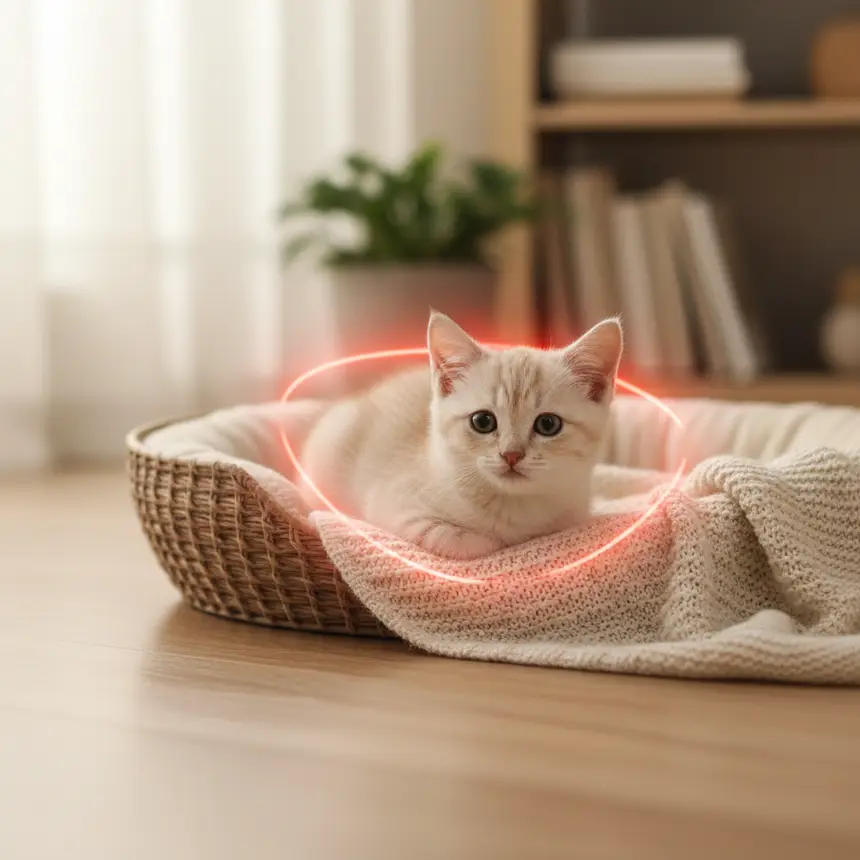
Welcoming a new kitten into your home brings immense joy, but it also ushers in the significant responsibility of safeguarding a delicate new life. Young felines, with their still-developing immune systems, are particularly susceptible to a range of infectious diseases. The protective antibodies they receive from their mother gradually wane over time, leaving them more exposed to health risks if proper preventive measures aren't in place. Much like a tender sapling easily swayed by harsh weather, a kitten can quickly fall prey to illnesses. This crucial period demands extra vigilance and proactive efforts from pet parents. Grasping and implementing the correct kitten vaccination schedule is the foundational step towards ensuring your furry companion enjoys a long, healthy life.
H2 Essential Feline Vaccinations: Your Pet's Shield and Optimal Timing
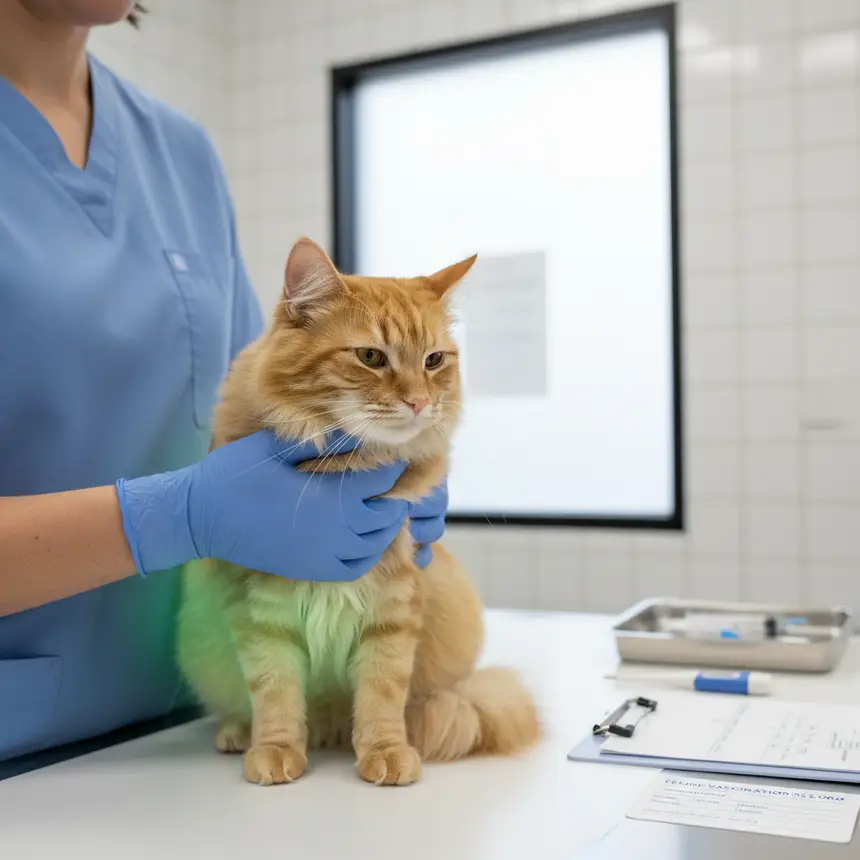
One of the most effective strategies to protect your cat's well-being is to establish a robust defense against diseases through a well-planned vaccination program. Core vaccinations for young cats primarily safeguard against three major viral illnesses: Feline Panleukopenia, Calicivirus, and Herpesvirus (Rhinotracheitis). These are often combined into a single shot, with some formulations also including protection against Chlamydia or Feline Leukemia Virus. The general kitten vaccination schedule typically begins with the first dose around 8 weeks (approximately 2 months) of age, followed by booster shots every 2-3 weeks until the series is complete (usually 2-3 boosters). After this initial series, annual booster vaccinations are crucial to maintain consistent immunity. Adhering strictly to this timeline is paramount for long-term health. It's wise to consult with your veterinarian to determine the most suitable vaccination cycle, taking into account your cat's lifestyle (indoor/outdoor, contact with other animals) and overall health. For instance, cats with frequent outdoor access or regular interaction with other animals might benefit from additional vaccinations like rabies or Feline Leukemia Virus.
※ This post contains affiliate links. I may earn a commission at no extra cost to you.

H2 Post-Vaccination Care and the Importance of Continuous Health Monitoring
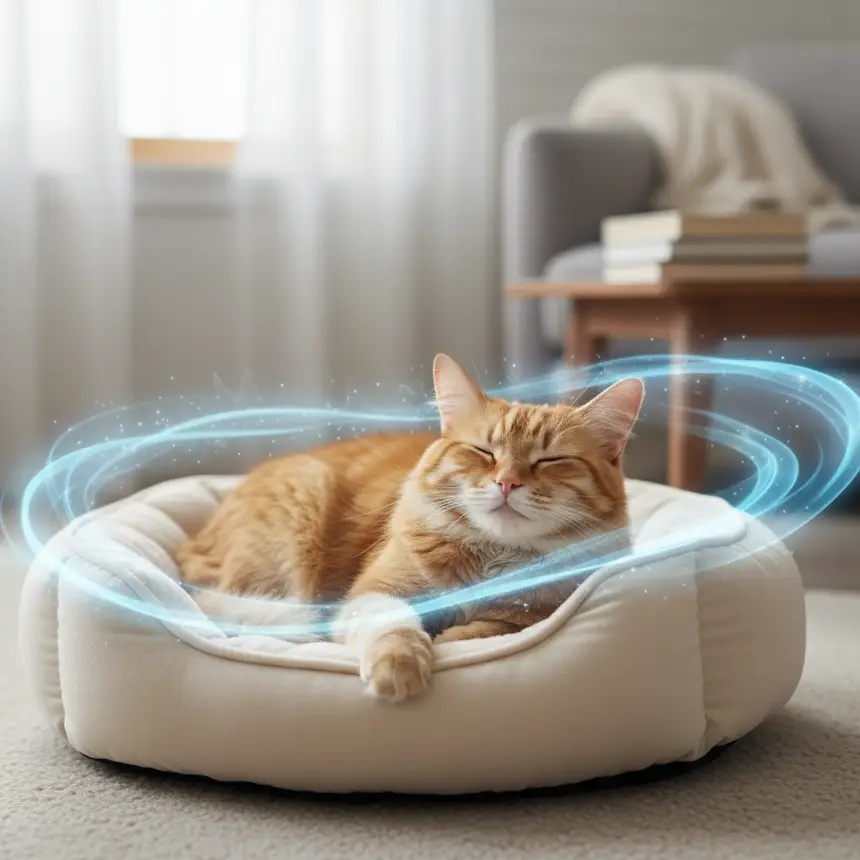
While comprehensive feline vaccinations are vital for disease prevention, it's equally important to carefully observe your cat after their shots. Vaccinations stimulate the immune system, and as a result, mild temporary reactions can sometimes occur. Common signs include a temporary decrease in appetite, reduced activity levels, a slight fever, or minor tenderness/swelling at the injection site. Rarely, more pronounced symptoms like vomiting, diarrhea, or allergic reactions might manifest. These reactions usually subside naturally within 24-48 hours. However, if symptoms are severe or persist, immediate consultation with your veterinarian is essential. On the day of and the day after vaccination, ensure your cat has a quiet environment to rest and avoid strenuous activity. Furthermore, always inform your veterinarian about your cat's current health status before vaccination, confirming there are no underlying health issues. Remember, vaccination is more than just an injection; it's a significant investment in your cat's long-term health, requiring ongoing attention and care.
Frequently Asked Questions
Q. When is the best time to start kitten vaccinations?
A. It is generally recommended to start a kitten's first vaccinations around 8 weeks (approximately 2 months) of age. At this stage, the immunity received from the mother cat begins to decline, making it crucial for the kitten to start building its own protection against external infections.
Q. What symptoms should I watch for after my cat receives vaccinations?
A. After vaccination, you might observe temporary reduced appetite, decreased activity, a mild fever, or soreness/swelling at the injection site. Most of these clear up within 24-48 hours. However, if severe symptoms like vomiting, diarrhea, difficulty breathing, or facial swelling occur, contact your veterinarian immediately.
Q. Do indoor-only cats need all the same vaccinations?
A. Yes, core vaccinations (for Panleukopenia, Calicivirus, Herpesvirus, etc.) are still highly recommended for indoor cats. Viruses can be brought into the home on clothing or shoes, and there's always a possibility of exposure through open windows or accidental outdoor access. Consult your veterinarian to determine if additional vaccinations are appropriate for your cat's specific living situation.
Q. What diseases do feline core vaccinations protect against?
A. Feline core vaccinations primarily protect against critical viral diseases such as Feline Panleukopenia (feline distemper), Feline Calicivirus, and Feline Herpesvirus (viral rhinotracheitis). Some vaccines may also include protection against Chlamydia or Feline Leukemia Virus.