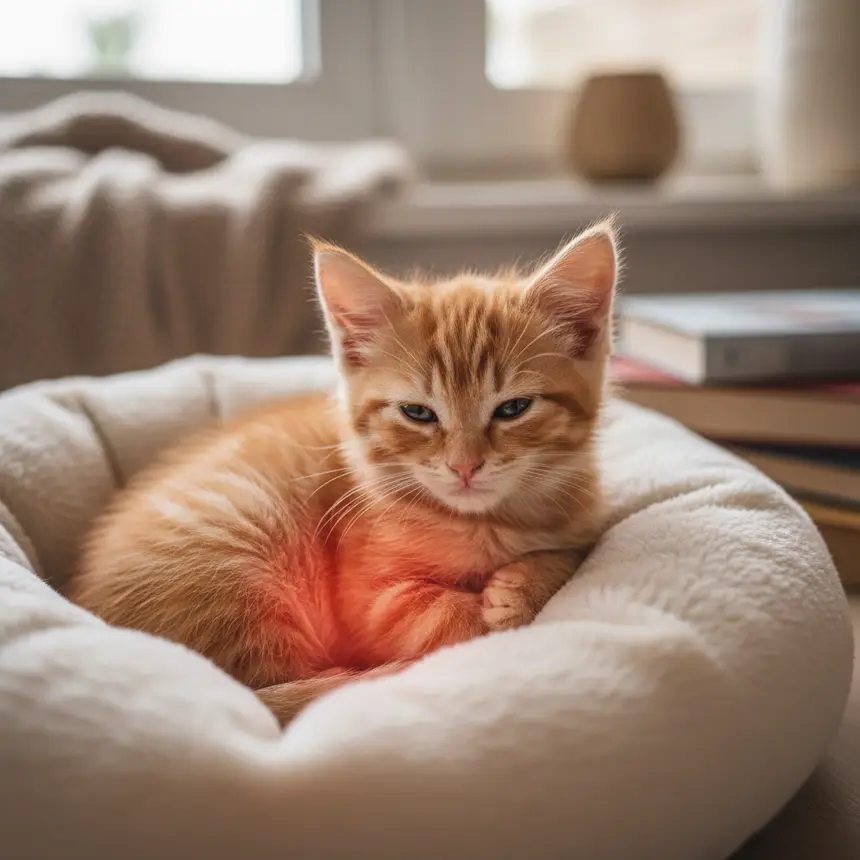
Resolve concerns about pet fur shedding and odors in homes with pets.
Discover effective indoor air quality management tips to create a fresh and healthy living environment.

The Common Challenge for Pet Parents: Indoor Air Quality Issues
The Common Challenge for Pet Parents: Indoor Air Quality Issues
Many pet parents living with their beloved companions often grapple with concerns like pet fur shedding, distinct waste odors, and the resulting decline in indoor air quality. While our furry friends are cherished family members, stray fur and microscopic pet dander, along with characteristic odors from their waste such as ammonia and hydrogen sulfide, are primary factors that diminish a comfortable living environment. These elements can go beyond mere unpleasantness, potentially triggering allergic reactions or respiratory discomfort, affecting the health of both pets and their human companions. Such concerns tend to intensify particularly during shedding seasons or in humid weather. If you wish to maintain a clean and fresh space where your pets can play freely, it's time to consider effective strategies for managing indoor air quality.

Key Contributors to Declining Indoor Air Quality in Pet Homes
Key Contributors to Declining Indoor Air Quality in Pet Homes
The reasons behind reduced indoor air quality in homes with pets are complex. The most noticeable factors are pet fur shedding and dander. Pet hair is shed periodically, and double-coated breeds, in particular, tend to release a significant amount of fur into the air. Along with this fur, microscopic skin flakes (dander) are smaller than even ultrafine dust particles, floating in the air and serving as a major trigger for allergies. Furthermore, pet waste produces specific chemical compounds that are primary culprits of unpleasant odors. Ammonia in urine and hydrogen sulfide from feces severely degrade indoor air quality and are difficult to eliminate entirely through ventilation alone. These pet-derived pollutants combine with fine dust, bacteria, and airborne viruses, making the indoor environment even more complicated. Since these airborne contaminants can negatively affect the respiratory health of both pets and their owners, proactive management is crucial.
※ This post contains affiliate links. I may earn a commission at no extra cost to you.


Effective Solutions for Fresh Air in Pet Households
Effective Solutions for Fresh Air in Pet Households
Effectively managing indoor air quality in pet households requires a multifaceted approach. The most crucial aspect is utilizing a system that actively captures and removes airborne particles and odors. An optimized air management system employs multiple stages of filtration to remove not only fine dust but also fur, dander, and various odor-causing substances. For instance, a combination of filters is effective: one that first catches heavy fur and larger dust particles, another that adsorbs pungent odor compounds like ammonia and hydrogen sulfide (e.g., activated carbon filters), and advanced filters that eliminate microscopic airborne particles. Especially in areas where pets are very active or near litter boxes/potty pads, where pollution levels are high, functions that can intensively circulate and purify the air in these specific zones are highly beneficial. Some systems even allow for adjusting the direction of airflow to more efficiently manage particular spaces. Moreover, features that automatically operate by sensing indoor air quality in real-time ensure that the environment is consistently maintained at its optimal state without constant manual intervention. Such systems will make your indoor environment much healthier and more comfortable.

Practical Guide for a Healthy and Refreshing Pet Life
Practical Guide for a Healthy and Refreshing Pet Life
To enjoy a healthy and refreshing life with your pets, several practical efforts are necessary. First, regular ventilation and cleaning are fundamental. It's important to open windows multiple times a day for at least 10 minutes to bring in fresh air, and to use a vacuum cleaner or wet mop to remove accumulated fur and dust from floors. Pay special attention to areas where your pets frequently spend time. Second, commit to managing your pet's fur. Regular brushing significantly reduces indoor shedding by removing dead hair, and bathing also contributes to skin health and coat maintenance. Third, it's advisable to utilize the air management systems mentioned earlier. Choose a system with appropriate capacity and functions, considering the area of your living space, the number of pets, and their activity levels. Also, adhere strictly to filter replacement schedules to maintain consistent performance. Finally, keeping your pet's elimination area clean and using specialized deodorizers are also good practices. When these combined efforts are implemented, you can provide a pleasant and harmonious living environment for both pet parents and their companions. Enjoy a happy pet life in fresh, clean air.