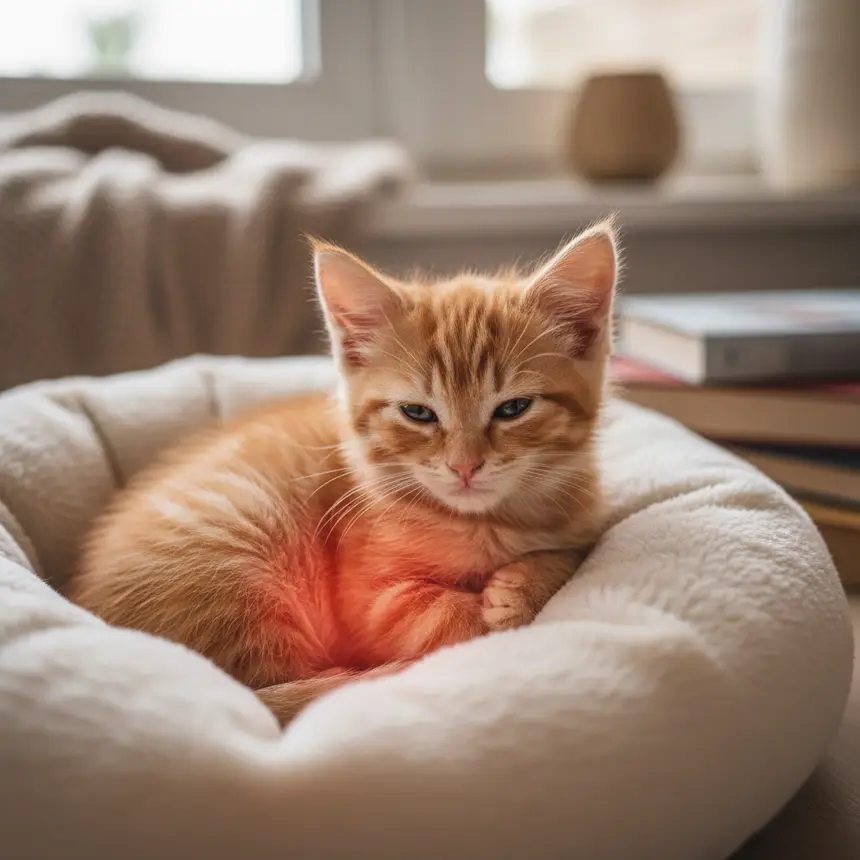
Is your beloved cat losing more hair than usual? Cat hair loss can be a sign of underlying health issues beyond simple shedding. Learn about the causes and solutions to protect your cat's well-being.

H2. Is Your Cat Losing More Hair Than Usual? Spotting the Hidden Signs
Are you noticing more hair than usual falling from your beloved feline companion? While we often dismiss it as typical shedding, cat hair loss, especially when specific areas show reduced fur density or visibly exposed skin, can be much more than a seasonal phenomenon. Due to their meticulous self-grooming habits, many pet parents only realize their cat is experiencing hair loss at a later stage. If, during your daily interactions and petting, you observe an unusual fur texture, skin changes, or concentrated bald patches, these could be crucial clues about your cat's health. Particular attention is needed if hair loss occurs in areas easily reached by your cat's tongue, such as the belly, flanks, or inner thighs. These changes can be linked to various factors including your cat's stress levels, skin condition, or nutritional balance, making careful observation essential.

H2. Diverse Causes of Cat Hair Loss and Smart Management Strategies
Cat hair loss can stem from a variety of interconnected factors. One of the most common causes is excessive grooming, often triggered by psychological stress from environmental changes or anxiety. Cats tend to repeatedly lick specific areas to cope with stress, and if this behavior persists, the fur in those spots can thin and eventually fall out. To manage stress, ensure your cat has a safe retreat and offer regular playtime to help them expend energy. Allergic reactions, which cause skin itchiness, are another significant factor. Increased scratching or licking can result from sensitivities to certain food ingredients, pollen, or dust mites. If allergies are suspected, review their diet and consult with a veterinarian about switching to a hypoallergenic diet or managing environmental triggers. Fungal infections or external parasites like fleas and ticks can also cause skin inflammation and itching, leading to hair loss. Regular parasite prevention and skin checks are crucial. Lastly, while less common, internal issues such as hormonal imbalances can also affect fur growth. If hair loss is persistent or accompanied by other health concerns like weight changes or reduced activity, it's advisable to seek professional veterinary guidance.
※ This post contains affiliate links. I may earn a commission at no extra cost to you.


H2. Daily Habits and Consistent Care for Healthy Fur Maintenance
Maintaining your cat's healthy fur and preventing cat hair loss requires consistent attention and effort in daily life. First, regular brushing helps remove dead hair and stimulates blood circulation in the skin, promoting new hair growth. Brushing also provides an excellent opportunity to examine your cat's skin closely. Second, a balanced nutritional intake is fundamental for fur health. It's crucial to provide high-quality cat food that contains essential nutrients necessary for healthy skin and coat. Consider diets rich in beneficial components like Omega-3 fatty acids. Third, creating a stable, stress-free environment is key. Minimize sudden environmental changes and ensure your cat has ample vertical spaces and hiding spots to feel psychologically comfortable. If, despite these efforts, cat hair loss doesn't improve, or if skin rashes, flaking, or severe itching accompany it, it is essential to consult with a veterinarian to obtain an accurate diagnosis and appropriate management plan. Remember that your cat's fur is more than just a matter of aesthetics; it's a barometer of their overall health. Through careful observation and consistent care, you can help your feline friends maintain a lustrous coat.
Frequently Asked Questions
Q. Is significant hair shedding always a sign of cat hair loss?
A. Cat hair shedding can be a seasonal or natural process. However, if hair noticeably thins in specific areas, skin becomes visible, or skin changes like redness or flaking occur, it might be more than just shedding, suggesting cat hair loss. Closer inspection is recommended.
Q. Can stress in cats lead to hair loss?
A. Yes, when cats are stressed, they often resort to excessive grooming as a coping mechanism. This can lead to 'psychogenic alopecia,' where repetitive licking causes hair loss in specific areas. Environmental changes, encounters with unfamiliar animals, or an unstable living situation can be contributing factors.
Q. What can I do at home to support my cat's fur health?
A. Regular brushing helps remove dead hair and promotes skin circulation. Providing high-quality food rich in essential nutrients for skin and fur health is also crucial. Additionally, creating an environment where your cat feels psychologically secure and comfortable is very important.
Q. When should I take my cat to the vet for hair loss?
A. If hair loss becomes persistently severe, is accompanied by skin rashes, inflammation, scabs, intense itching, or if your cat shows other signs of ill health like lethargy or loss of appetite, you should promptly visit a veterinarian for an accurate diagnosis and appropriate treatment.