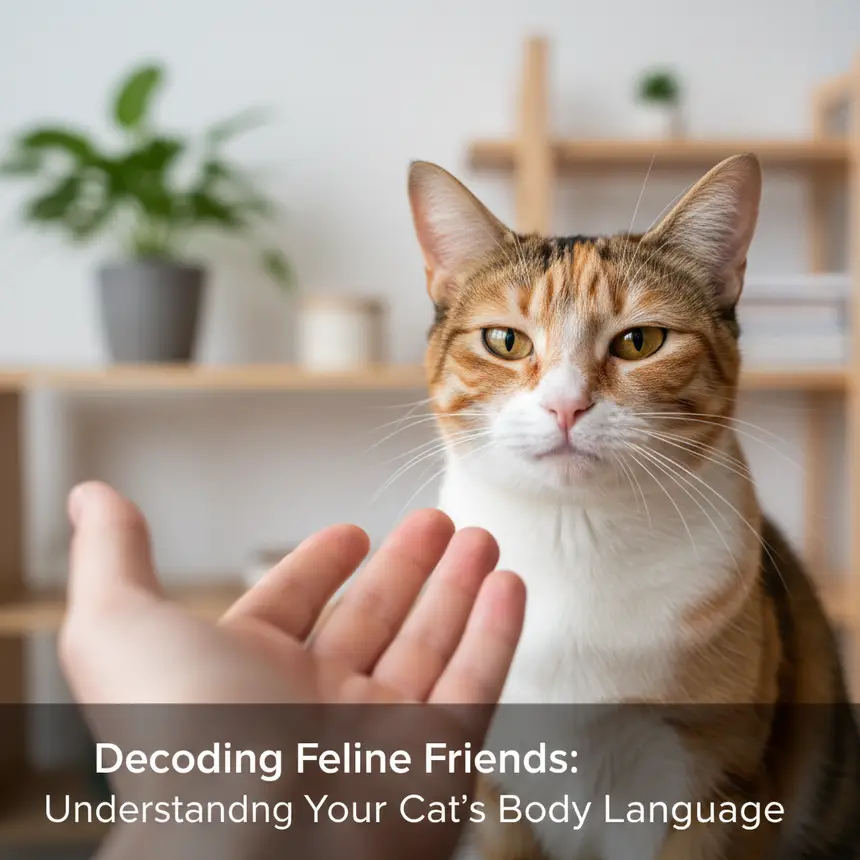
Discover the critical importance of kitten socialization during the golden period (3-12 weeks). Learn step-by-step methods to help your kitten adapt and thrive into a confident adult cat.

Navigating a New World Through Tiny Eyes
When a kitten first enters a new home, from 3 to 12 weeks of age, it's their golden period for socialization. This time is critical for shaping their personality and lifelong behaviors. A kitten hiding out of fear is a natural response, so the owner's patience is paramount. Instead of forcing interaction, offer a calming presence with a soft voice, allowing them to explore at their own pace. When the kitten bravely approaches, provide a small treat. This helps them associate human hands with positive experiences. These initial interactions significantly impact the kitten's adaptation and sense of security in their new environment.

The Pitfalls of Inadequate Socialization
If a kitten's golden period for socialization is missed, it can lead to various behavioral challenges throughout its life. Kittens not exposed to diverse stimuli early on may develop severe anxiety or aggressive tendencies when encountering unfamiliar situations as adults. For example, they might startle easily at visitors or loud noises, often hiding. Additionally, essential care like regular vet visits, nail trims, or teeth brushing can become incredibly stressful or impossible. These issues not only diminish the cat's quality of life but can also strain the bond with their owner. Therefore, proper socialization is a fundamental process for ensuring your cat lives a healthy and happy life.
※ This post contains affiliate links. I may earn a commission at no extra cost to you.


Expanding Senses and Building Positive Connections
Kitten socialization involves providing diverse sensory experiences to build a positive perception of the world. Around 6-7 weeks of age, focusing on sound and touch is crucial. Given their sensitive hearing, gradually introduce everyday sounds like a vacuum or doorbell at a very low volume. Pair these sounds with enjoyable activities or treats to form positive associations. It's also beneficial to expose them to various floor textures, such as carpets and wooden floors, to develop their paw sensitivity. Furthermore, practice gentle handling of their paws and mouth from an early age, which prepares them for essential future care like nail trims and dental hygiene.

Practicing Safe Interactions with the World
A core aspect of socialization is helping kittens respond flexibly to various situations. Carrier training is particularly important. Keep the carrier open in a common area of your home, placing a favorite blanket or treats inside. This helps the kitten view the carrier not as a frightening object, but as a safe, personal den. If your kitten bites too hard during playtime, immediately make a sharp, short sound like "Ouch!" and disengage from play. Step away for about five minutes, then return and re-initiate play with a toy. This clearly communicates that painful biting ends the fun, helping the kitten learn to control its bite strength.

Socialization: A Lifelong Gift
While kitten socialization requires dedicated effort over a short period, its positive impact extends throughout a cat's entire life. Kittens who receive positive exposure to diverse stimuli and learn healthy interactions grow into much more stable and content adult cats. They navigate new environments and noises with greater confidence and less distress, and essential care like vet visits and grooming becomes less stressful. Socialization minimizes the anxiety and fear a cat might otherwise experience in the human world, laying the groundwork for a deeper, happier bond with their owner. Investing time and effort in early socialization truly promises a peaceful and fulfilling future for both pet and guardian.
Frequently Asked Questions
Q. When is the best time to start kitten socialization?
A. The period from 3 to 12 weeks of age is the most critical "golden window" for kitten socialization, as it significantly shapes their personality and behaviors.
Q. What should I do if my kitten is very timid and hides constantly?
A. Instead of forcing them out, be patient and provide a calming presence with a soft voice. Allow them to explore at their own pace. When they approach, offer treats to create positive associations with human interaction.
Q. How do I stop my kitten from biting my hands during play?
A. If your kitten bites too hard, immediately make a sharp sound like "Ouch!" and stop playing. Disengage for about five minutes, then return and resume play using a toy. This teaches them that hard biting ends the fun.
Q. How should I start carrier training for my kitten?
A. Keep the pet carrier open in a common area of your home, placing a comfortable blanket and treats inside. This helps your kitten view the carrier as a safe, personal space rather than a scary object used only for vet visits.
Q. Can an older cat (adult cat) still be socialized if they missed the kitten socialization window?
A. Socializing an adult cat requires more time and patience, but it is possible to achieve gradual socialization through consistent positive reinforcement. Consulting a professional behaviorist can also be very beneficial.