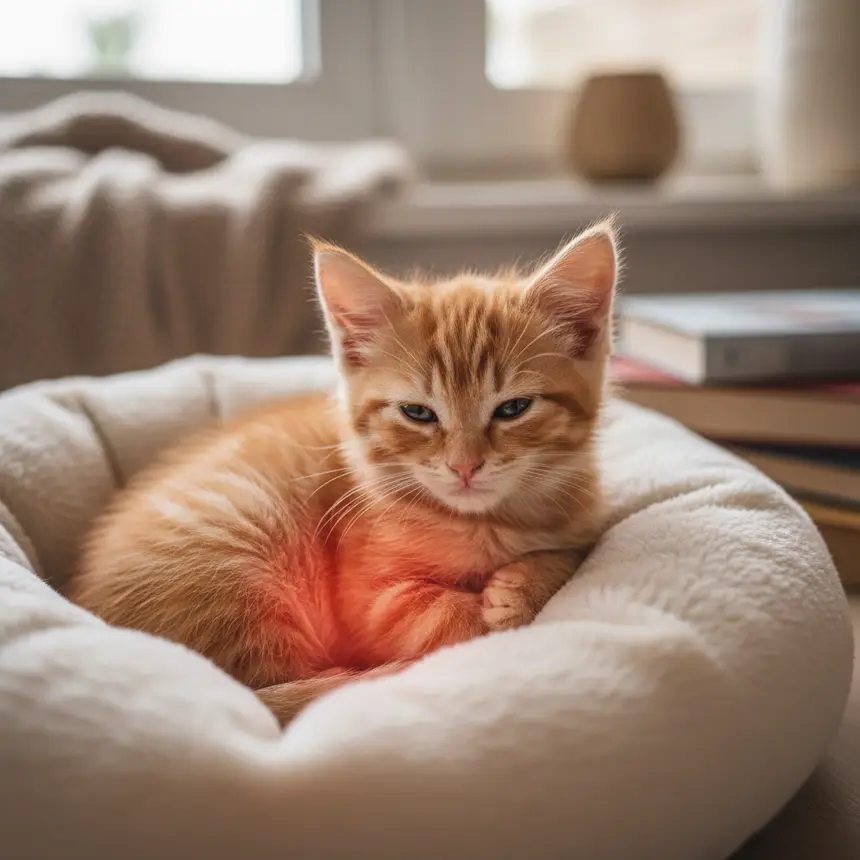
Bathing pets can be a real challenge for many owners. Discover gentle water care methods to reduce bath time stress for cats and dogs, ensuring healthy skin. Transform bath time into a positive experience for your furry friend.

Why is Pet Bath Time Such a Struggle?
Life with a pet is filled with joy, but it also comes with its share of challenges. Among the most common struggles faced by pet parents is bath time. For water-averse cats or sensitive dogs, a bath can often feel like a battle. Witnessing our beloved companions escape from strong water jets or resist with sharp claws can be incredibly stressful for owners. This cycle of extreme stress for the pet, coupled with the owner potentially getting scratched or exhausted, often leads to delaying future baths. However, bathing is essential for hygiene and skin health, leaving many wondering how to transform this daunting task into a pleasant experience for both pet and owner. Join us on a journey to discover methods that minimize bath time stress and safeguard your pet's well-being.

Analyzing the Root Causes: Sensory Triggers During Bath Time
There are several reasons why pets might dislike baths, with sensory overstimulation being a primary factor. What seems like a normal water stream or sound to humans can be an overwhelming sensory input for pets. For instance, the strong pressure from a typical showerhead can feel stinging or cause anxiety on a pet's delicate skin. Furthermore, the sounds of running water from the shower or the drain can be perceived as highly threatening by pets with sensitive hearing. Unfamiliar environments, slippery surfaces, and water temperatures that are either too cold or too hot are also significant contributors to bath refusal. Additionally, chemicals like chlorine often found in tap water can cause itchiness or dryness for pets with sensitive skin, leading to post-bath discomfort. These combined factors play a crucial role in shaping a pet's negative perception of water and making them actively avoid bath times.
※ This post contains affiliate links. I may earn a commission at no extra cost to you.


Solutions: Encouraging Calm Baths with Gentle Water Care
To reduce pet bath time stress and maintain effective hygiene, 'Gentle Water Care' follows a few core principles. First, minimize water-induced irritation. Instead of strong jets, using an ultra-fine mist of water droplets, significantly smaller than skin pores, can help pets perceive water contact much later, reducing startling reactions. This delicate mist also disperses quietly, alleviating noise-related anxiety. Maintaining a lukewarm water temperature that your pet finds comfortable is key, and considering a filter to remove impurities like chlorine from tap water can further reduce skin irritation, especially for sensitive pets. Second, create a comfortable bathing environment. Place a non-slip mat in the tub for stability and pre-warm the bathroom. Before the bath, foster a positive atmosphere with light play or treats. Always use pet-specific, mild shampoos and ensure thorough rinsing to prevent any residue from irritating the skin.

Practical Steps: A Step-by-Step Guide to Gentle Water Care
Implementing Gentle Water Care effectively requires a gradual approach and consistent effort.
- Gradual Acclimatization: Instead of immediately spraying water, encourage your pet to become familiar with the bathroom. Create positive associations by offering treats in the dry tub.
- Gentle Water Introduction: Start by wetting paws slowly, then gently wipe their body with a soft sponge or your hand to reduce aversion to water.
- Quiet Environment: During the bath, use a calm, reassuring voice and avoid sudden noises or movements.
- Quick and Efficient Process: It's crucial to shampoo and rinse swiftly, minimizing unnecessary water exposure.
- Thorough Drying: After the bath, remove as much water as possible with a soft towel, then use a hairdryer on a cool or lukewarm setting, keeping it at a safe distance to prevent burns. If your pet dislikes hairdryer noise, consider desensitization training beforehand.
Frequently Asked Questions
Q. My cat hates water; do I really have to bathe them?
A. Cats are excellent self-groomers, but bathing may be necessary if their fur is excessively dirty, they have skin conditions, or they're elderly and struggle with grooming. It's crucial to keep the bath short and minimize stress.
Q. How often should I bathe my dog?
A. The frequency depends on your dog's breed, activity level, and skin condition, but generally, once or twice a month is appropriate. Too frequent bathing can strip their skin's protective oils. Consult your veterinarian for personalized advice.
Q. How can I reduce skin irritation for my pet during bath time?
A. Use a pH-balanced, gentle shampoo specifically formulated for pets and lukewarm water. Employ a soft, low-pressure water stream and ensure thorough rinsing to prevent any shampoo residue from remaining on the skin.
Q. What precautions should I take when drying my pet's fur after a bath?
A. After bathing, remove as much water as possible with a soft towel. When using a hairdryer, always use a cool or lukewarm setting and keep it at a safe distance to prevent burns. Ensure the fur is completely dry to prevent skin infections.
Q. How can I train my pet who strongly dislikes baths?
A. It's important to create positive associations with bath time. Help them get used to the bathroom, offer treats in a dry tub, or practice brief water contact sessions repeatedly. Consistent praise and rewards are key to teaching them that bath time can be a positive experience.