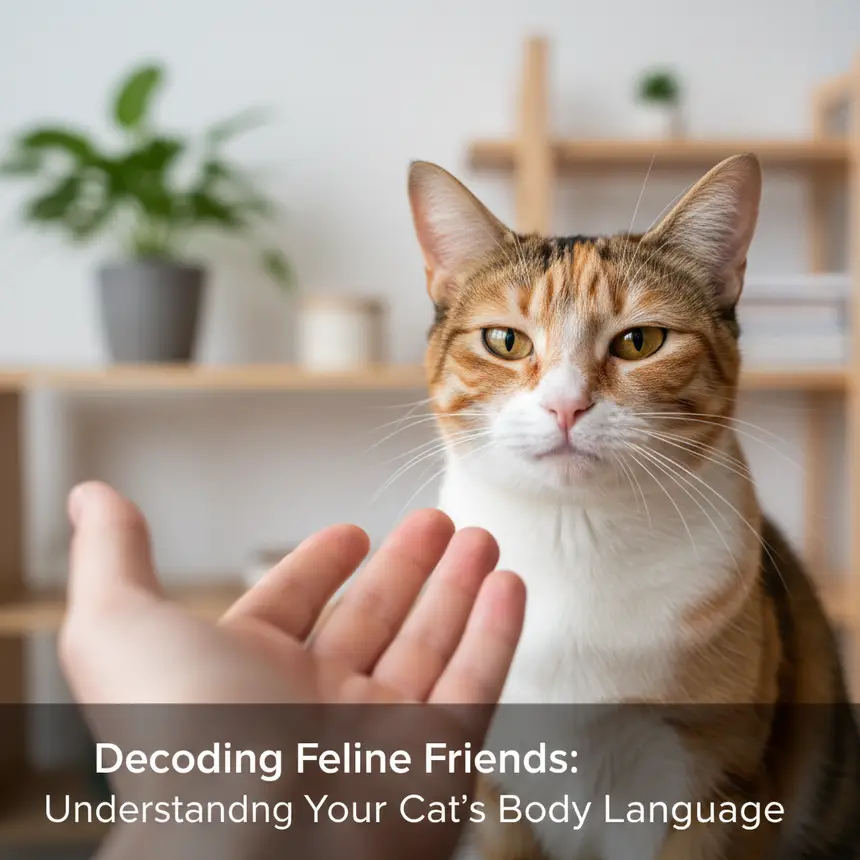
Is your cat's vomiting a normal occurrence or a sign of concern? Learn to identify common causes of feline vomiting, different symptom types, and actionable home care strategies. Discover when professional help is essential for your cat's well-being.

Cat Vomiting: Just a Daily Occurrence or a Hidden Health Warning?
Any cat owner has likely witnessed their feline friend vomit at some point. Due to their meticulous grooming habits, cats frequently ingest fur, making occasional vomiting a seemingly natural part of their lives. However, not all instances of vomiting carry the same significance. While some episodes might be harmless, others could signal an underlying health concern that requires immediate attention. It's crucial for pet guardians to closely observe the frequency, characteristics, and any accompanying changes alongside the vomiting. This careful assessment helps differentiate between normal physiological events and situations where professional veterinary care is necessary. Understanding the subtle messages within your cat's vomiting symptoms is key to proactive feline health management.

Diverse Causes of Feline Vomiting and Home-Based Management Strategies
Feline vomiting can stem from a variety of causes, and a pet parent's informed response can significantly impact their cat's well-being. Here are common reasons for vomiting and specific management strategies you can implement at home:
- Hairball Expulsion: Cats often swallow fur during grooming, which can accumulate in the digestive tract and be expelled as hairballs. This is especially common in long-haired breeds or during shedding seasons. To manage this, consistent daily brushing helps remove loose fur. You might also consider a diet rich in fiber or discuss hairball-specific supplements with a veterinarian.
- Eating Too Rapidly: If a cat eats its food too quickly, it can irritate the stomach, leading to vomiting of undigested food. It's essential to encourage slower eating. Using a slow-feeder bowl or spreading food across a wide, flat surface can be effective. Providing several smaller meals throughout the day instead of one large portion can also help.
- Dietary Changes or Inappropriate Food Intake: Abrupt changes in diet, consumption of human food, or spoiled food can upset a cat's sensitive digestive system and induce vomiting. When changing food, gradually transition over a period of at least 7 to 10 days by mixing increasing amounts of the new food with the old. Always avoid giving your cat human foods that could be harmful, and ensure fresh, clean food and water are always available.
- Gastrointestinal Irritation and Other Health Concerns: Digestive issues like bacterial or parasitic infections, or inflammation of the stomach or intestines, are also common causes of vomiting. If vomiting is accompanied by diarrhea, loss of appetite, lethargy, or other signs of discomfort, a gastrointestinal problem is likely. Regular check-ups for parasite screening and maintaining a hygienic environment are crucial for prevention. If symptoms persist or worsen, immediate consultation with a professional is vital.
※ This post contains affiliate links. I may earn a commission at no extra cost to you.


Documenting Vomiting Symptoms: When is Professional Help Needed?
Feline vomiting can sometimes be a sign of a serious underlying health issue, making diligent observation and record-keeping by pet parents extremely important. Pay close attention if your cat exhibits any of the following, as it may indicate more than just a minor upset:
It's highly recommended to develop a habit of noting the date, time, frequency, and contents of the vomit (color, consistency), along with any changes in your cat's overall condition (appetite, activity level). These detailed records provide invaluable information for veterinarians to make an accurate diagnosis and formulate an appropriate management plan. Your cat's health begins with your attentive care. If you observe any concerning symptoms, do not hesitate to consult a veterinarian to protect your beloved feline companion.
- Frequency and Pattern of Vomiting: If your cat vomits multiple times within a day or if vomiting continues for several days, it's crucial to seek professional veterinary attention.
- Content of Vomit: Beyond hairballs or undigested food, if your cat vomits only yellow or clear liquid, or if there is blood (bright red or dark brown, resembling coffee grounds), contact a veterinarian immediately.
- Accompanying Symptoms: If vomiting is accompanied by loss of appetite, refusal to drink water, decreased energy, diarrhea, signs of abdominal pain (such as hunching), weight loss, or fever, it could indicate a serious health problem.
- Dehydration Signs: Symptoms like sticky gums or skin that slowly returns to place after being gently tented suggest dehydration, which requires urgent care.
It's highly recommended to develop a habit of noting the date, time, frequency, and contents of the vomit (color, consistency), along with any changes in your cat's overall condition (appetite, activity level). These detailed records provide invaluable information for veterinarians to make an accurate diagnosis and formulate an appropriate management plan. Your cat's health begins with your attentive care. If you observe any concerning symptoms, do not hesitate to consult a veterinarian to protect your beloved feline companion.
Frequently Asked Questions
Q. Why does my cat frequently vomit hairballs?
A. Cats ingest fur during grooming, which can accumulate in their digestive system and be expelled as hairballs. This is often more common in long-haired cats or during shedding seasons. Regular brushing helps remove loose fur, and considering a fiber-rich diet that aids hairball passage can be beneficial.
Q. What should I do if my cat eats too fast and vomits?
A. Eating too quickly can put a strain on your cat's stomach and lead to vomiting. It's important to encourage slower eating habits. Using a slow-feeder bowl or dividing their daily food portion into several smaller meals fed more frequently can be effective strategies.
Q. Besides vomiting, what other symptoms indicate a need for professional consultation?
A. If vomiting is accompanied by loss of appetite, refusal to drink water, decreased energy, diarrhea, weight loss, signs of abdominal pain, fever, or signs of dehydration like sticky gums, it's crucial to consult a veterinarian immediately for an accurate diagnosis.
Q. When can I give my cat water after they vomit?
A. After a cat vomits, its stomach may be sensitive. It's generally best to withhold food and water for about 1-2 hours, then offer a small amount of water to see how they react. If they vomit again after drinking, stop giving water or food and contact your veterinarian.
Q. My cat vomits after changing food; should I continue feeding it?
A. Changing food can stress a cat's digestive system. If your cat vomits after a food change, it's advisable to revert to the old food temporarily and then reintroduce the new food very gradually, mixing it over at least 7-10 days. If symptoms persist, consult your veterinarian to explore other dietary options.