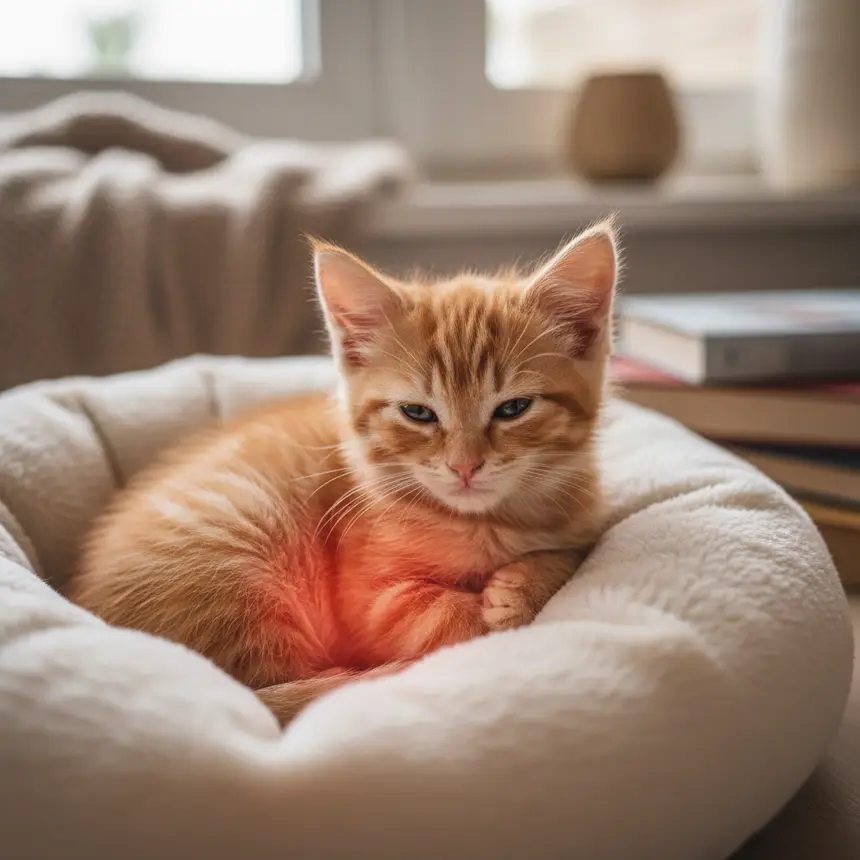
Have you noticed early signs of feline kidney disease? Discover essential care tips and the importance of early detection for your cat's kidney health. It's time to start making changes for your cat's vibrant life.

Concerned About Your Beloved Cat's Kidney Health?
Living with your cherished feline friend brings immense joy, but if you've noticed subtle changes in their vitality or daily habits, it might be time to assess their kidney health. Feline kidney disease often progresses silently, making early detection challenging. However, a pet owner's keen observation and consistent care can significantly impact their cat's quality of life and lifespan. This condition is particularly common in senior cats, typically those aged 7 and above, so understanding the signs and taking proactive steps is crucial.

Key Warning Signs of Declining Feline Kidney Function
A cat's kidneys play a vital role in filtering waste products from the body and maintaining fluid and electrolyte balance. When kidney function declines, toxins can accumulate, leading to various health issues. In its early stages, however, clear symptoms are often absent, causing many pet parents to overlook them. It's crucial to pay close attention to the following changes for early intervention:
- A noticeable increase in the amount of water your cat drinks.
- More frequent urination, increased urine volume, or diluted urine.
- General lethargy and decreased activity levels.
- A tendency for reduced appetite or weight loss.
- May exhibit vomiting or diarrhea, which is unusual for them.
※ This post contains affiliate links. I may earn a commission at no extra cost to you.


Comprehensive Management Strategies for Your Cat's Kidney Health
Effective kidney health management is paramount for your cat's comfort and well-being. Here are key strategies you can implement at home:
1. Appropriate Nutrition: Diets tailored for kidney health typically feature lower levels of protein, phosphorus, and sodium. This helps reduce the burden on the kidneys and mitigates the accumulation of waste products. It's essential to consult with your veterinarian to select a diet that meets your cat's specific nutritional needs based on their condition.
2. Encouraging Increased Water Intake: Cats naturally tend to drink less water. Adequate hydration is crucial for kidney health, so try these methods to encourage more drinking:
1. Appropriate Nutrition: Diets tailored for kidney health typically feature lower levels of protein, phosphorus, and sodium. This helps reduce the burden on the kidneys and mitigates the accumulation of waste products. It's essential to consult with your veterinarian to select a diet that meets your cat's specific nutritional needs based on their condition.
2. Encouraging Increased Water Intake: Cats naturally tend to drink less water. Adequate hydration is crucial for kidney health, so try these methods to encourage more drinking:
- Place multiple fresh water bowls around your home and change the water daily.
- A pet water fountain can be effective for cats who are drawn to moving water.
- Feeding wet food or mixing a little lukewarm water with dry kibble can also help increase fluid intake.

Practical Tips for Nurturing Kidney Health at Home
Small adjustments in daily routines can significantly contribute to maintaining your cat's kidney health:
- Combine Wet and Dry Food: Offering wet food alongside dry kibble can naturally boost your cat's water intake, which positively impacts kidney burden.
- Consider Gut Health Supplements: Gut health influences immunity and overall well-being. Supplements like probiotics can aid digestion and help maintain the body's overall balance. However, always consult with your veterinarian before introducing any supplements.
- Maintain Litter Box Cleanliness and Observe Urine: Ensure the litter box is always clean to provide a comfortable environment for your cat to relieve themselves. Moreover, when cleaning the litter box daily, closely observe the amount, color, smell, and frequency of urination for any changes from the norm. This is a simple yet effective way to help detect kidney abnormalities early.

Gift Your Cat a Healthy Life Through Ongoing Attention
Feline kidney disease often follows a chronic course, meaning that consistent management and prevention are key rather than expecting a complete recovery. By quickly recognizing early signs and initiating appropriate care, you can slow the progression of the disease and maintain your cat's quality of life for longer. It's important not to overlook subtle signals such as increased water intake or changes in urination. For a longer, healthier companionship with our beloved cats, a pet owner's meticulous attention and ongoing effort are indispensable. Take the first step towards safeguarding your cat's kidney health today.
Frequently Asked Questions
Q. Can feline kidney disease be completely cured?
A. Chronic feline kidney disease is generally focused on slowing its progression and managing symptoms rather than achieving a complete cure. Early detection, appropriate dietary adjustments, adequate hydration, and regular check-ups are crucial for delaying disease progression and maintaining your cat's quality of life.
Q. Which cats are more susceptible to kidney problems?
A. Typically, senior cats, especially those aged 7 and above, have a higher incidence of kidney disease. Cats with genetic predispositions or other underlying health conditions may also be more vulnerable. Therefore, older cats, in particular, require regular health screenings.
Q. What should I do if my cat doesn't drink enough water?
A. Place multiple water bowls around your home and replace the water daily with fresh water. Installing a drinking fountain can also be helpful. Feeding wet food or mixing a small amount of lukewarm water into dry kibble are effective ways to increase fluid intake.
Q. How often should my cat's kidney function be checked?
A. Healthy adult cats are recommended to have an annual check-up. For senior cats aged 7 or older, or those showing signs of kidney issues, blood and urine tests should be conducted every six months, or more frequently as advised by your veterinarian.
Q. What should I consider when choosing food for kidney health?
A. Diets focused on kidney health are typically low in protein, phosphorus, and sodium. Always consult with your veterinarian to select a diet with the most suitable nutritional balance for your cat's current kidney function and overall health.