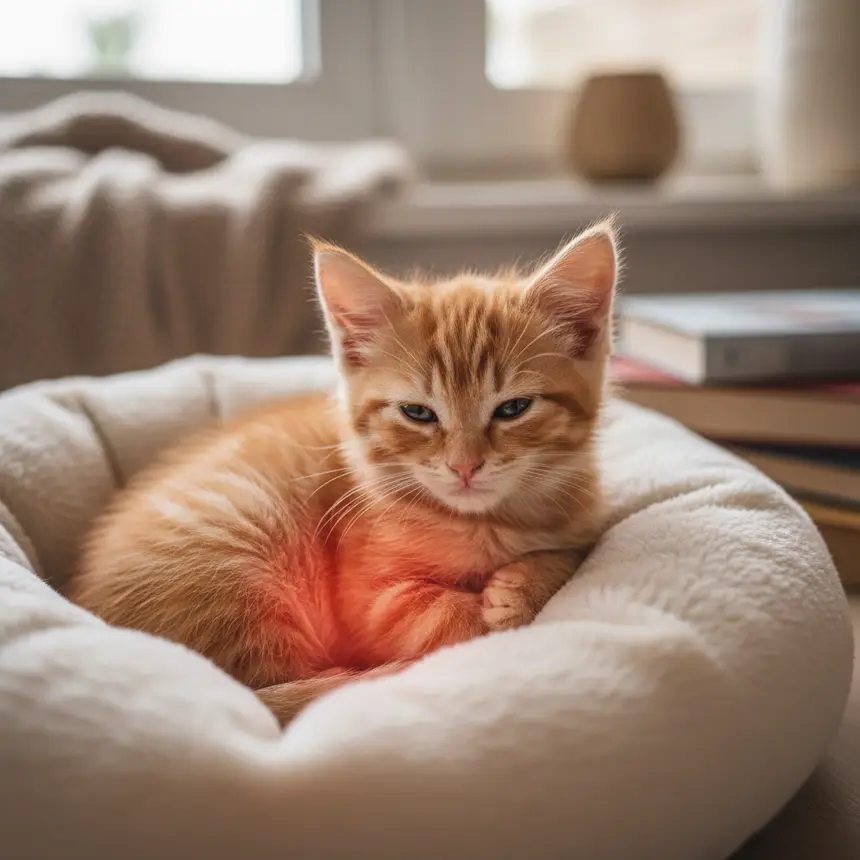
Discover essential methods for stimulating elimination in newborn kittens under 3 weeks old. Learn about successful cat litter training foundations and hygiene tips to keep young lives safe and healthy.

H2. Nurturing New Life: Why Kitten Potty Stimulation is Crucial
Newborn kittens are incredibly delicate, much like tiny, budding seeds. To ensure they flourish into healthy cats, they require specialized care, and among the most vital aspects is 'kitten potty stimulation.' This process is directly linked to their survival. Kittens under three weeks old lack the ability to urinate or defecate independently, relying entirely on their mother cat's assistance. If a mother cat is absent or unable to provide this care, human intervention becomes essential. Failure to provide proper elimination stimulation can lead to severe health issues for the little ones. For instance, the accumulation of waste within their bodies can cause a significant loss of appetite or, in severe cases, pose a life-threatening risk. Learning the correct methods for potty stimulation alleviates physical discomfort, establishes a foundation for healthy growth, and marks the initial step towards successful 'cat litter training.' Addressing elimination needs early on helps kittens feel secure and grow without undue stress. If you're caring for young kittens, understanding how to assist their independent elimination is paramount.

H2. Gentle Touch: A Step-by-Step Guide to Kitten Elimination Stimulation
Mimicking a mother cat's nurturing behavior, gently assisting a kitten with elimination is a straightforward process. Follow these steps to help your tiny feline friend comfortably relieve themselves:
1. Maintain a Secure Hold: Young kittens are fragile, so it's vital to support their entire body gently and securely. Cradle them in your hands, ensuring their body temperature remains stable and warm. An unstable hold can cause unnecessary stress for the kitten.
2. Prepare Hygienic Stimulation Tools: Gather a clean, soft cloth or gauze to serve as a substitute for the mother cat's tongue. It's crucial to select a material that is hygienic, non-irritating, and softer than ordinary fabric. Dampening it slightly with lukewarm water can also be beneficial.
3. Gentle Stimulation for Elimination: Wrap the prepared cloth around your finger and very gently massage the kitten's anal and genital areas, much like a mother cat would lick. Use light, circular motions, ensuring you never apply strong pressure. This action helps induce both urination and defecation. After the massage, check for waste output and gently clean the area again.
4. Verify Elimination and Hygiene Management: It's important to confirm that both urine and feces have been passed. For milk-fed kittens, stools are typically soft and somewhat loose. After elimination, always clean the area thoroughly to maintain hygiene. Repeating this routine consistently helps kittens develop the habit of self-elimination and builds the foundation for future cat litter training.
1. Maintain a Secure Hold: Young kittens are fragile, so it's vital to support their entire body gently and securely. Cradle them in your hands, ensuring their body temperature remains stable and warm. An unstable hold can cause unnecessary stress for the kitten.
2. Prepare Hygienic Stimulation Tools: Gather a clean, soft cloth or gauze to serve as a substitute for the mother cat's tongue. It's crucial to select a material that is hygienic, non-irritating, and softer than ordinary fabric. Dampening it slightly with lukewarm water can also be beneficial.
3. Gentle Stimulation for Elimination: Wrap the prepared cloth around your finger and very gently massage the kitten's anal and genital areas, much like a mother cat would lick. Use light, circular motions, ensuring you never apply strong pressure. This action helps induce both urination and defecation. After the massage, check for waste output and gently clean the area again.
4. Verify Elimination and Hygiene Management: It's important to confirm that both urine and feces have been passed. For milk-fed kittens, stools are typically soft and somewhat loose. After elimination, always clean the area thoroughly to maintain hygiene. Repeating this routine consistently helps kittens develop the habit of self-elimination and builds the foundation for future cat litter training.
※ This post contains affiliate links. I may earn a commission at no extra cost to you.


H2. Essential Health Checks: Precautions and Target Kittens
Stimulating elimination in young kittens is a process that requires both delicacy and vigilance. Paramount among all considerations is maintaining cleanliness. Always wash your hands thoroughly before and after stimulating, and ensure all tools used are sterilized. Young kittens have underdeveloped immune systems, making them highly susceptible to infections in unhygienic environments.
Furthermore, continuous observation of the kitten's health status is crucial. If there is no elimination activity within a 24-hour period, or if the kitten shows signs of pain during elimination, or experiences persistent severe diarrhea or constipation, you must immediately visit a veterinarian for professional assistance. For very young kittens, conditions can deteriorate rapidly, so prompt consultation with an expert is always the wisest course of action. Regular health check-ups and weight monitoring also play a significant role in their healthy development.
These potty stimulation methods are primarily applicable to kittens who have been abandoned by their mothers, rescued from situations where the mother cannot provide care, or born in a home where the mother cat is unable to nurse or tend to her offspring. If you've adopted a rescued kitten or unexpectedly find yourself caring for newborns, understanding these techniques can help you protect precious lives and ensure they grow up healthy. The right knowledge combined with consistent attention forms the bedrock of a happy life for young felines.
Furthermore, continuous observation of the kitten's health status is crucial. If there is no elimination activity within a 24-hour period, or if the kitten shows signs of pain during elimination, or experiences persistent severe diarrhea or constipation, you must immediately visit a veterinarian for professional assistance. For very young kittens, conditions can deteriorate rapidly, so prompt consultation with an expert is always the wisest course of action. Regular health check-ups and weight monitoring also play a significant role in their healthy development.
These potty stimulation methods are primarily applicable to kittens who have been abandoned by their mothers, rescued from situations where the mother cannot provide care, or born in a home where the mother cat is unable to nurse or tend to her offspring. If you've adopted a rescued kitten or unexpectedly find yourself caring for newborns, understanding these techniques can help you protect precious lives and ensure they grow up healthy. The right knowledge combined with consistent attention forms the bedrock of a happy life for young felines.
Frequently Asked Questions
Q. How long should I continue stimulating a kitten for elimination?
A. Generally, you should provide elimination stimulation until the kitten is around 3 to 4 weeks old. By this age, kittens typically begin to control their bladder and bowels independently and start recognizing and using a litter box. You can gradually reduce the stimulation process as they become more self-sufficient in their elimination habits.
Q. What is the best material to use for potty stimulation?
A. The best materials are hygienic and soft gauze or unscented, alcohol-free baby wipes. Cotton swabs or soft cotton cloths can also work, but it's important to choose materials that are non-irritating and can be kept clean. Always dispose of used materials properly or sterilize reusable ones.
Q. What if my kitten's stool is too hard or too loose?
A. A kitten's stool consistency is a vital indicator of their health. If the stool is too hard, it might suggest insufficient hydration or digestive issues. If it's too loose, it could point to an infection or a digestive system problem. If abnormal symptoms persist, it's best to visit a veterinarian promptly for a professional diagnosis.
Q. What should I do if my kitten cries or seems uncomfortable after stimulation?
A. If your kitten continues to cry or shows signs of discomfort after elimination stimulation, it might mean that not all urine or feces were expelled, or they could be experiencing abdominal pain. Double-check your technique to ensure it was gentle and the kitten's position was comfortable. If the symptoms persist, it's safest to consult with a veterinarian immediately.