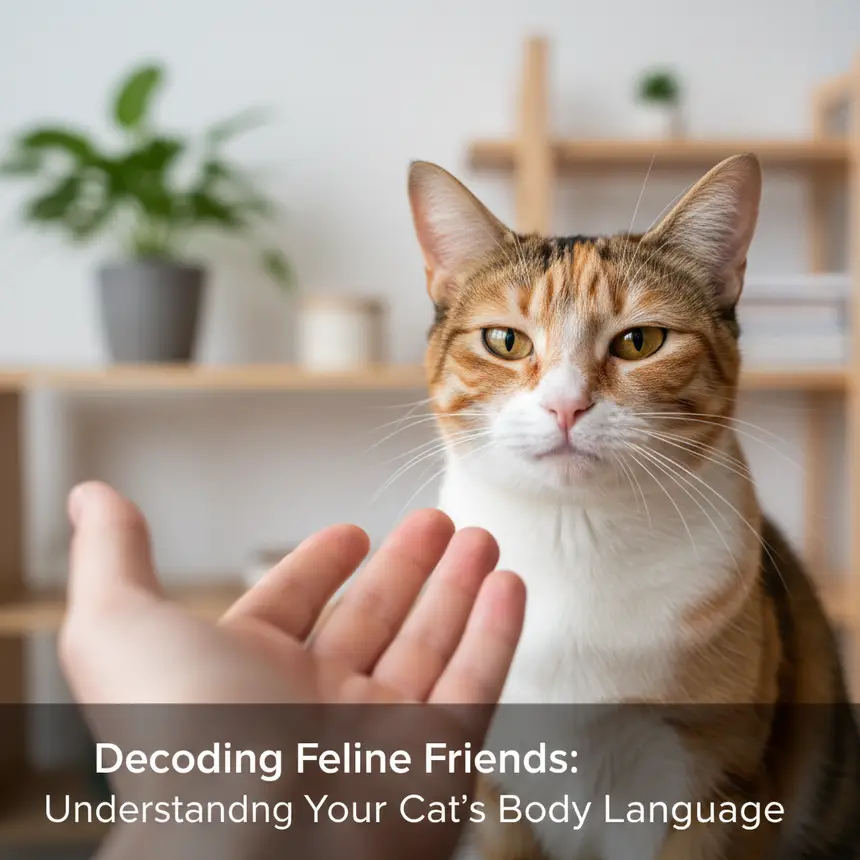
Cat scratching and marking are natural instincts. Instead of seeing them as problems, understand your cat's habits. Learn effective solutions from choosing the right scratcher to gentle behavior modification for a healthy cohabitation.

Mastering Cat Scratching: Paving the Way for a Peaceful Home
Many cat owners fret over scratching behaviors. While torn furniture and marked walls might seem problematic, it's a completely natural, instinctive expression for cats. Understanding this instinct and approaching it correctly can reduce your cat's stress, minimize furniture damage, and create a more harmonious home. By respecting their natural urge while gently guiding their habits, you can begin a healthy, happy cohabitation with your beloved pet.

Beyond the Surface: Decoding Your Cat's Instinctive Marking
When cats leave claw marks or spray, these aren't merely destructive acts. They are vital forms of territory marking and instinctive communication. Scratching serves a dual purpose: it visually claims an area and deposits pheromones from scent glands in their paw pads, leaving an olfactory message. Cats also stretch their bodies by scratching, which aids muscle relaxation and flexibility. Furthermore, scratching can act as a 'displacement activity' when excited, stressed, or bored. Since scratching fulfills various instinctive needs, it's crucial to understand these requirements and offer suitable alternatives rather than suppressing the behavior.
※ This post contains affiliate links. I may earn a commission at no extra cost to you.


Strategic Scratcher Choices: Guiding Good Habits
Guiding your cat's scratching habits positively involves a dual strategy. First, reduce interest in undesirable scratching spots by covering them with textures your cat dislikes or temporarily restricting access. Second, and more effectively, offer more appealing scratching alternatives to naturally redirect them from existing spots. This second method minimizes stress for your cat while yielding the best results.
- Choosing Scratchers: Depending on whether your cat scratches vertically (like sofas/walls) or horizontally (like floors), provide vertical or horizontal scratchers. Many cats enjoy both, so a variety is often best. Ensure the scratcher is long enough for your cat to fully stretch and is made of preferred materials like cardboard, sisal, or carpet.
- Placement & Encouragement: Provide at least one scratcher per cat, ideally more. Place them in high-traffic areas: near existing favorite scratching spots, where they wake up, or close to feeding areas. After placement, allow your cat to explore naturally. Instead of forcing them, use treats or toys to create positive associations with the scratcher.

Patience is Key: Nurturing Positive Scratching Habits
Patience is paramount when modifying scratching habits or introducing new scratchers. Cats are sensitive to change, and forcing them can cause stress or resistance. Therefore, even without immediate results, consistent patience and positive reinforcement are crucial for forming good habits.
- Behavior Modification Cautions: Scolding or punishing cats for scratching can cause anxiety and harm your bond; it's ineffective. Instead, offer praise and treats whenever they use a scratcher to create positive associations. Catnip spray or toys can also entice them.
- Recommended For: This information is valuable for new furniture owners, those adopting kittens to establish proper habits, owners struggling with existing scratching issues, and all guardians seeking to understand and live harmoniously with their cat's instincts.
Frequently Asked Questions
Q. Why does my cat keep scratching the furniture?
A. Cats scratch furniture for various reasons, including instinctive marking, stretching, and stress relief. It's a natural way for them to mark territory and maintain their claws, so it's best understood as a necessary feline behavior rather than a 'problem.'
Q. I've placed many scratchers, but my cat still only scratches the sofa. What should I do?
A. If your cat prefers the sofa, try placing scratchers of the type and material they enjoy most directly next to the sofa. Simultaneously, you can temporarily cover the sofa with a texture your cat dislikes to deter access while encouraging scratcher use.
Q. Where is the best place to put a cat scratcher?
A. The best spots are in areas where your cat is most active: near where they wake up, around their feeding area, and next to furniture they currently scratch. Strategically placing multiple scratchers along your cat's common routes is key.
Q. Will preventing my cat from scratching cause them stress?
A. Yes, forcefully suppressing your cat's natural urge to scratch can cause stress. Scratching is an important outlet for emotional release and territory marking, so instead of negatively preventing it, it's better to offer attractive alternatives like designated scratchers to redirect the behavior positively.