Canine obesity is more than a simple issue; it poses various health risks. Discover practical ways to manage your dog's weight and maintain their health effectively. Learn how to easily check for obesity at home and foster your dog's happy life through balanced nutrition and activity.

The Unspoken Story of Your Dog's Weight
A plump, adorable dog often brings immense joy to their human companions. Many believe that a slightly chubby dog is even cuter. However, have you ever considered that this cuteness might be hiding potential health risks? There was a moment when I noticed my dog felt heavier than before and was less active, sparking a wave of concern. The realization that this wasn't just a change in physique but could be directly linked to their overall health resonates deeply with many pet owners. Is our dog truly healthy? Let's delve into that unspoken story now.
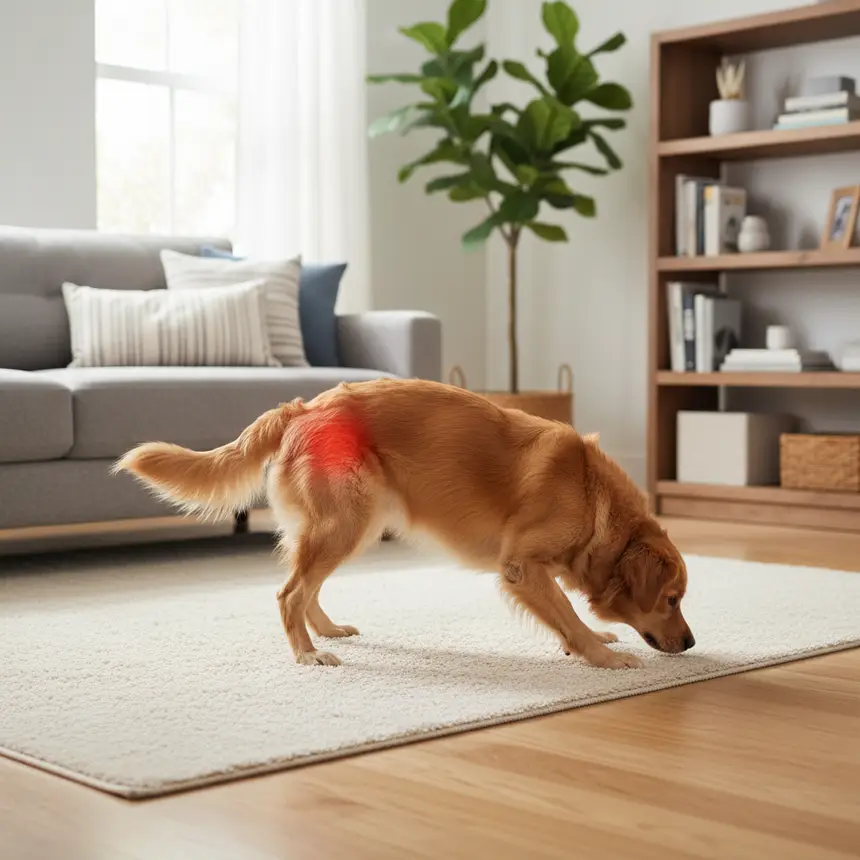
Beyond the Chubby Cheeks: The Dangers of Canine Obesity
Obesity in dogs is far more than just a cosmetic concern; it's a serious condition that can lead to various health complications. Excessive weight places constant strain on joints, increasing the risk of arthritis. For smaller breeds prone to spinal issues, this can escalate into intervertebral disc problems. Furthermore, it burdens the respiratory and circulatory systems, causing breathlessness and easy fatigue, and can even be linked to specific endocrine disorders. Research indicates that obese dogs may live, on average, 1.8 years less than their healthy-weight counterparts. Therefore, meticulous management is essential to prevent canine obesity from diminishing your dog's quality of life and potentially shortening your time together.
※ This post contains affiliate links. I may earn a commission at no extra cost to you.

Starting Your Dog's Weight Management Journey for a Healthier Life
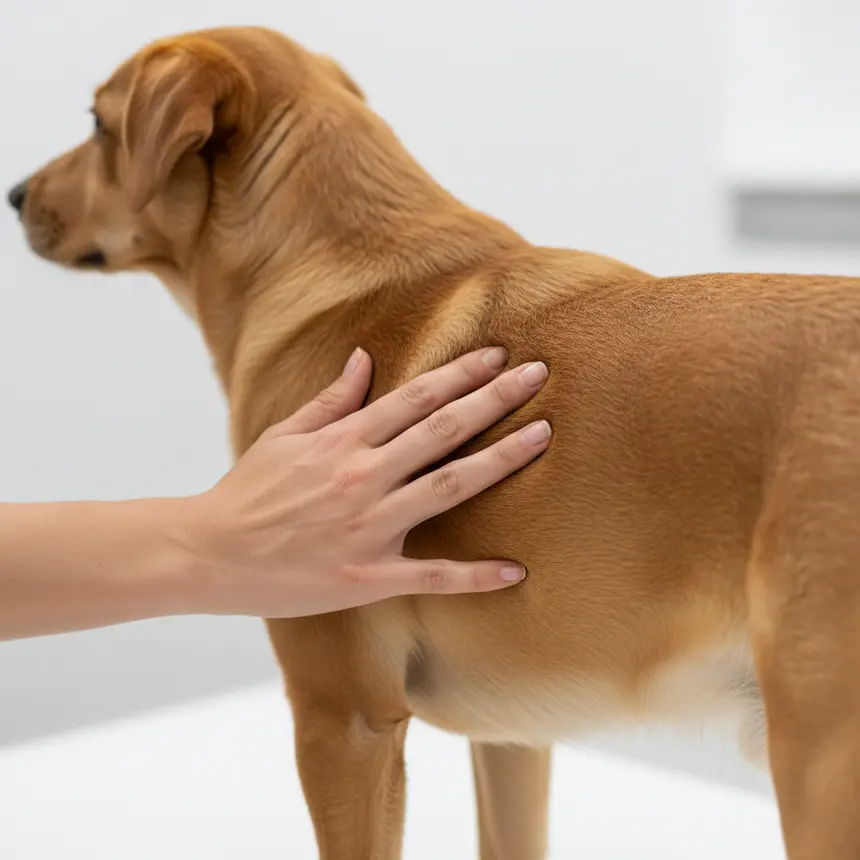
Consistent attention and effort from pet owners are paramount for successful canine weight management. Since there isn't a standard weight formula like for humans, a personalized approach considering each dog's build and breed characteristics is necessary. Here are some simple ways to assess your dog's weight at home:
- Check if you can easily feel their ribs when gently running your hands along their sides.
- Observe if they have a visible waistline when viewed from above.
- Ensure their belly tucks up appropriately and isn't sagging.
Balanced Approach: The Perfect Harmony of Diet and Activity
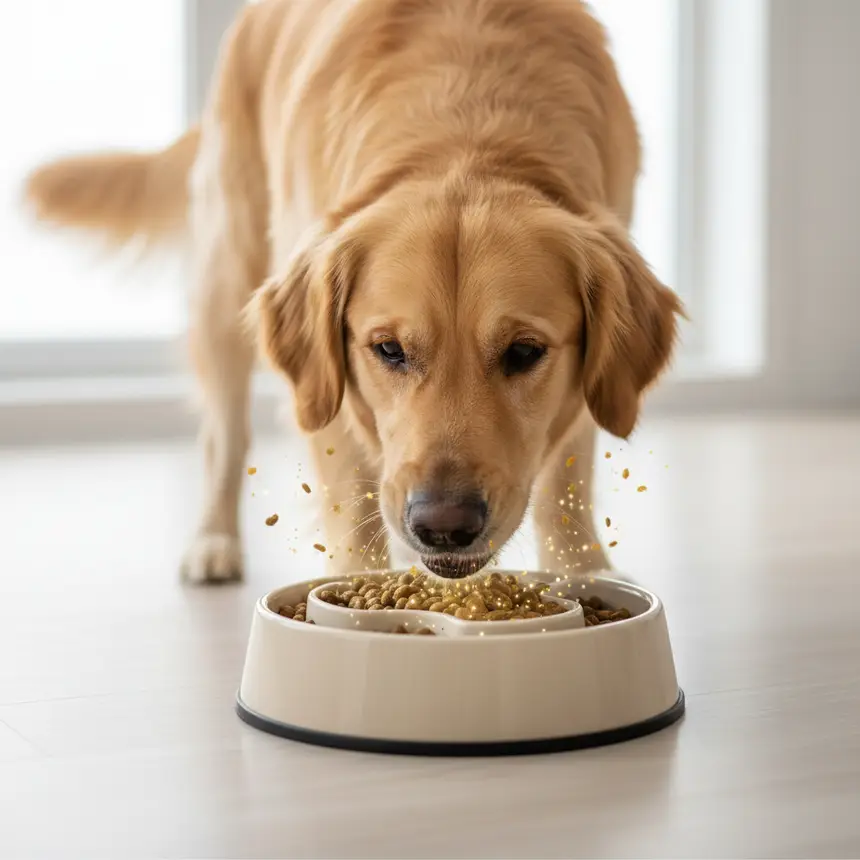
Maintaining a healthy weight for your dog requires a crucial combination of dietary control and increased physical activity. Here are concrete management methods pet owners can implement:
- Limit treats to no more than 10% of their total daily caloric intake. Choosing healthy options and controlling portions are key.
- Instead of free-feeding, establish a regular feeding schedule with specific meal portions.
- If your dog eats too quickly, use a slow feeder bowl to encourage slower eating and aid digestion.
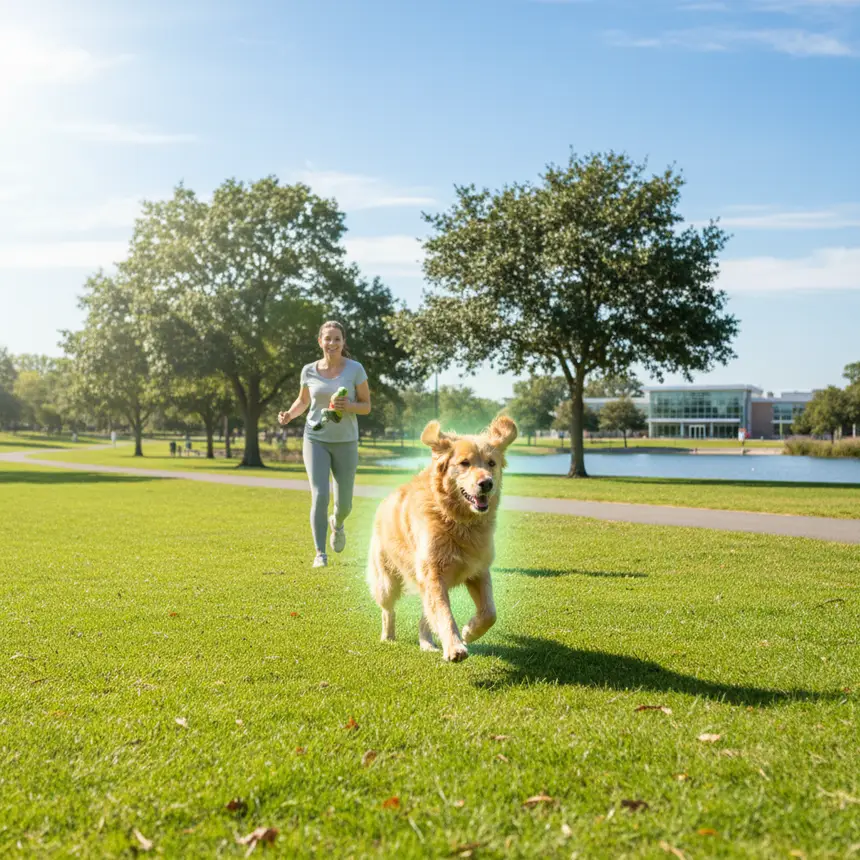
- Boost your dog's activity level with consistent daily walks and engaging playtime. Age-appropriate exercise not only helps with weight control but also positively impacts their mental well-being. Consistency is vital throughout this entire process. Small changes can accumulate into significant results, so striving daily for healthier habits for your dog is essential.
Your Dog's Health Begins in Your Hands
A healthy life for your dog is unattainable without your careful observation and consistent effort. Take a moment today to gently pet your beloved dog and pay attention to even the slightest changes. How does their body feel? Are they getting enough activity? Are their eating habits regular? These small acts of care collectively form a strong shield protecting your dog's health. Check your dog's body condition right now, and if needed, seek professional guidance to establish an effective weight management plan. Working together, starting today, is crucial to ensure your dog enjoys a long, healthy, and happy life by your side.
Frequently Asked Questions
Q. What health issues can canine obesity lead to?
A. Canine obesity can increase the risk of various health problems, including joint diseases, spinal issues, strain on the respiratory and circulatory systems, and certain endocrine conditions. It can also potentially shorten their average lifespan.
Q. How can I check if my dog is obese at home?
A. You can generally assess your dog's weight by checking if their ribs are easily palpable, if they have a clear waistline, and if their belly is not sagging. Checking after a bath when their fur is wet can provide a more accurate assessment.
Q. Are there specific treat-feeding rules for obese dogs?
A. Yes, it's recommended that treats should not exceed 10% of your dog's total daily caloric intake. Choosing healthy treats and strictly controlling portions are important.
Q. Does using a slow feeder help with dog weight management?
A. Yes, a slow feeder helps prevent your dog from eating too quickly, slowing down their mealtime and aiding digestion. This can reduce overeating and promote a feeling of fullness, positively contributing to weight management.
Q. Are lumps found on a dog's body always dangerous?
A. Soft lumps found on a dog's body can often be accumulations of excess fat, and many are benign. However, for accurate identification and to rule out other possibilities, it is always safest to consult with a veterinarian.