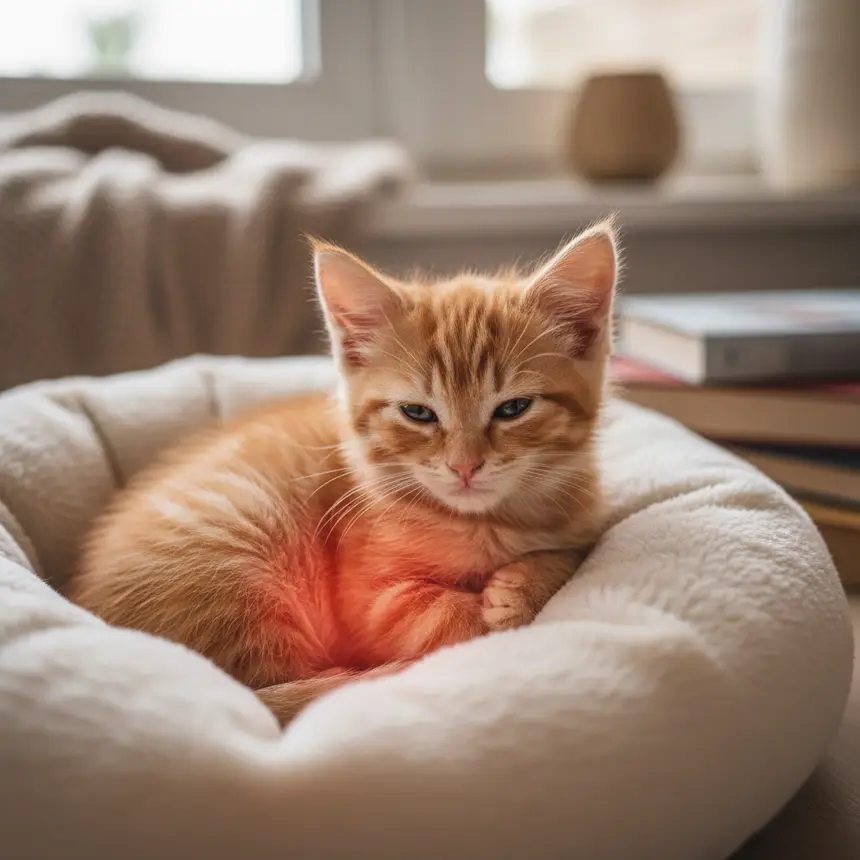
Discover why your cat's early morning meows might not be about hunger. Understand complex reasons like biological rhythms, attention-seeking, and environmental factors. Implement effective behavior modification and environmental changes for peaceful mornings.

Woken by Whiskers: Is Your Cat's Dawn Chorus Really About an Empty Bowl?
Have you ever been abruptly jolted awake in the quiet predawn hours by the insistent meows of your feline companion? It’s a common scenario for many cat guardians, and the first instinct is often to assume hunger and offer food. However, this seemingly helpful response can inadvertently reinforce the very behavior you wish to stop. A recurring early morning serenade can be a source of stress for both you and your cat. Understanding the true motivation behind these dawn calls—whether it's more than just an empty stomach—is key to restoring peace to your household. Let's explore the various underlying reasons why your cat might be starting its day (and yours) long before the sun.

Early Morning Vocalizations: More Than Just a Call for Food
Often, a cat's early morning meowing extends beyond a simple plea for a meal. Instead, it frequently stems from a complex interplay of their innate biological rhythms, a desire for guardian attention, or responses to environmental stimuli. If your cat receives its recommended daily food portions yet consistently meows at the exact same early hour each day, it's highly probable that the motivation isn't genuine hunger. For instance, if you provide food and your cat only takes a few bites before resuming its vocalizations or active exploration, this suggests they are seeking to maintain their awakened state rather than truly satisfying a ravenous appetite. While a recent, noticeable weight loss might indicate genuine hunger, if your cat's weight remains stable, it's crucial to investigate other potential causes for their early morning calls.
※ This post contains affiliate links. I may earn a commission at no extra cost to you.


Understanding Feline Rhythms and Effective Response Strategies
Cats are 'crepuscular' creatures, meaning their activity naturally peaks during dawn and dusk. So, simply waking up and being active in the early morning isn't inherently abnormal for them. However, if your cat hasn't expended enough energy during the day, or if their playtime has been insufficient, this excess energy can manifest as heightened activity in the early hours. Recognizing this natural tendency is vital for creating an environment that aligns with their needs. A beneficial approach involves engaging your cat in an active play session for about 30 to 60 minutes before your bedtime, followed by a small snack or meal. This sequence effectively mimics their natural 'hunt-eat-groom-sleep' cycle, promoting calmness and reducing nocturnal awakenings. Additionally, consistency is paramount when responding to attention-seeking behaviors. An inconsistent approach—sometimes reacting, sometimes ignoring—can actually reinforce the unwanted behavior. Therefore, maintaining a consistent lack of response, avoiding eye contact, speaking, or moving when your cat meows, is crucial. While the meowing might initially intensify for a few days, patient perseverance will gradually lead to an improvement in their behavior.

Practical Adjustments for a Peaceful Morning Routine
To effectively reduce your cat's early morning meows, it's essential to address the root causes rather than simply offering food each time they vocalize. Here are concrete steps you can implement:
- Adjust Feeding Schedules Precisely: Consider delaying their last meal of the day slightly or utilizing an automatic feeder set to dispense a small portion of food in the early morning. The goal is to anticipate your cat's hunger cycle and minimize predawn emptiness.
- Increase Daytime Activity: Ensure your cat gets plenty of physical and mental stimulation during the day. Engage them with interactive toys for at least 15-20 minutes, 2-3 times daily, or encourage exploration of vertical spaces like cat trees. Always end play sessions with a 'successful hunt' to provide a sense of satisfaction.
- Minimize Environmental Stimuli: Reduce external light and noise that might trigger your cat's awakening in the morning. Close curtains tightly and consider soundproofing if necessary. Instead of fully closing bedroom doors, leave them slightly ajar, or provide safe, accessible high perches for observation, which can reduce anxiety.
- Maintain Consistent Ignoring: This is perhaps the most crucial step. Consistently avoid reacting when your cat meows in the early morning. This teaches them that vocalizing won't yield the desired outcome. While challenging at first, a few days of unwavering patience can pave the way for tranquil mornings.

Nurturing a Harmonious Life with Your Feline Friend
Your beloved cat's early morning meows are not just disruptive noise, but often a complex message they are sending. Understanding that these signals might stem from an imbalance in their biological rhythm, a craving for attention, or environmental discomfort—beyond simple hunger—is the first step toward resolution. Through consistent behavior modification and thoughtful environmental adjustments, you can enhance your cat's quality of life and, in turn, ensure you also get a good night's sleep, fostering a more harmonious home. With patience and a willingness to understand your cat's unique language, peaceful mornings are well within reach. Begin today by uncovering the true message behind your cat's early morning cries and start creating a happier, more peaceful shared life.
Frequently Asked Questions
Q. My cat meows every morning, and I've been feeding them. Why is it getting worse?
A. Your cat has learned that meowing is an effective way to get food. When meowing and food provision are linked, the behavior is reinforced. It's crucial to respond inconsistently to break this pattern.
Q. How can I tell if my cat's early morning meows are truly due to hunger?
A. First, ensure your cat receives the recommended daily food portions. Then, observe how many hours after their last meal the meowing starts. If they only eat a few bites and then resume activity after you provide food, it's likely not pure hunger.
Q. Will ignoring my cat's early morning meows cause them stress?
A. Consistent ignoring teaches your cat that meowing won't achieve their goal. While it might initially intensify the meows, consistency will gradually reduce the behavior. However, it's essential to consult with your veterinarian to rule out any underlying health issues.
Q. Does playing with my cat a lot at night help with early morning meows?
A. Yes, it's highly effective. Engaging in active playtime before bedtime helps them expend sufficient energy. Following play with a small snack or meal can provide a sense of satisfaction and fullness, helping them settle down for a peaceful sleep.
Q. Are there any environmental setup tips to reduce my cat's early morning meows?
A. Minimize external stimuli like light or noise in the early morning by closing curtains. You can also use an automatic feeder to dispense a small portion of food at a set time. Additionally, providing safe, elevated spaces where your cat feels secure can contribute to their sense of well-being.