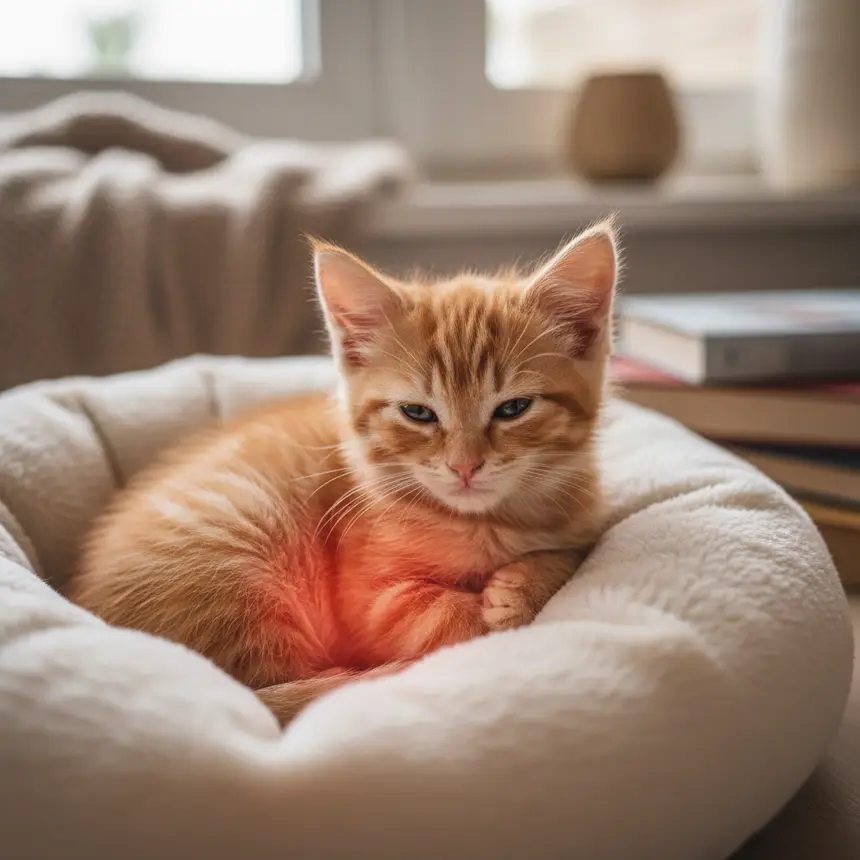
Is your cat scratching excessively or losing fur? Learn to identify common cat skin problems, their causes, and effective management strategies to keep your feline friend comfortable and healthy.

Pet Parent Concerns: Hidden Skin Issues Beneath the Fur
Many cat guardians often face challenges when it comes to their feline companion's skin health. While a cat's luscious coat is undeniably charming, it can also mask underlying skin issues, making them difficult to detect early on. It's common for owners to only realize there's a problem after noticing unusually excessive grooming, persistent scratching in certain areas, or patches of missing fur. Such discoveries can be distressing, leaving pet parents unsure of the cause or how best to assist their beloved cat. Why might our cats suddenly experience itchiness or hair loss? Gaining a comprehensive understanding of the various types of cat skin problems and their root causes is a crucial first step towards ensuring a healthy and happy life together.
Analyzing the Complex Causes of Feline Skin Conditions
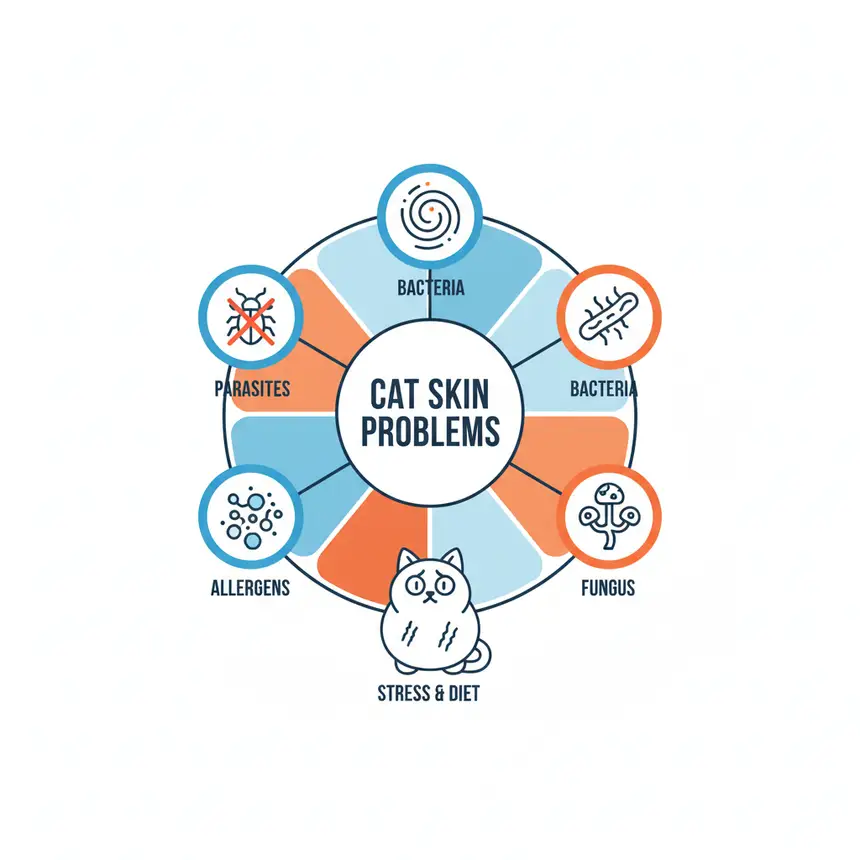
Feline dermatological conditions often arise from a combination of factors, and identifying these underlying causes is paramount for effective management.
- Allergic Reactions: Hypersensitivity to environmental triggers like dust mites or pollen, or certain food ingredients, can lead to skin inflammation. This manifests as intense itchiness, skin redness, and hair loss.
- External Parasite Infestations: Tiny invaders such as fleas, ticks, and mites can burrow into the skin, causing severe irritation and visible skin lesions. These parasites are frequently found around the ears, neck, and tail base.
- Fungal and Bacterial Infections: When the skin experiences minor abrasions or the immune system is compromised, fungi or bacteria can proliferate, leading to infections. Fungal infections, often characterized by circular patches of hair loss, are common, while bacterial infections might present with pus or an unpleasant odor.
- Sebum Regulation Issues: An imbalance in sebaceous gland activity can disrupt the skin's moisture barrier, resulting in flakiness or excessive oiliness. A common example is feline acne, often appearing as small black dots on the chin.
- Stress-Related Behavior: Cats are sensitive creatures, and prolonged exposure to environmental changes or stressful situations can trigger excessive grooming. This self-inflicted trauma can lead to skin damage and significant hair loss.
※ This post contains affiliate links. I may earn a commission at no extra cost to you.

Holistic Approaches to Managing Feline Skin Health
While accurately identifying the root cause is the initial step in addressing cat skin problems, guardians can also significantly improve their cat's skin health through consistent at-home care and attention.
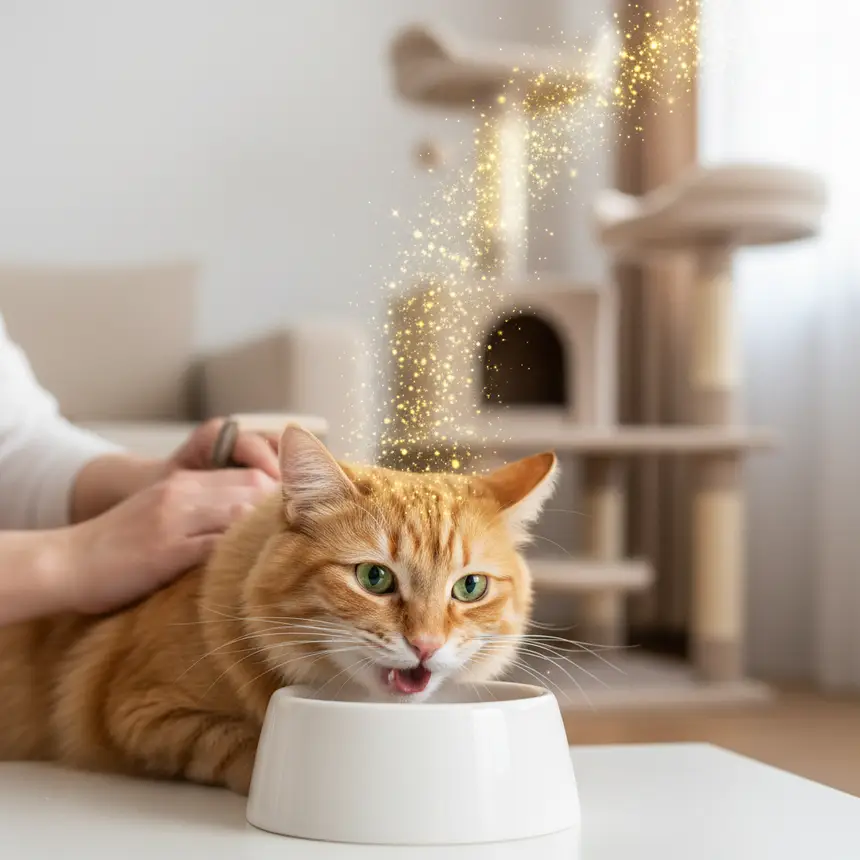
- Nutritional Management: Healthy skin begins from within. It's crucial to select a diet rich in omega-3 fatty acids and other nutrients known to support skin and coat vitality. If allergies are suspected, a limited ingredient or hydrolyzed protein diet might be considered. Adequate hydration is also essential for skin elasticity and moisture.
- Hygiene and Grooming: Regular brushing helps remove loose fur and dead skin cells, while also stimulating circulation. For long-haired breeds or during shedding seasons, daily brushing is highly recommended. Maintaining a clean living environment is vital to reduce the proliferation of dust mites and fungal spores. Clean litter boxes also play a role in preventing skin infections.
- Environmental Enrichment and Stress Reduction: Creating a comfortable and stimulating environment is key. Provide new toys, scratching posts, and tall cat trees for climbing to alleviate boredom and offer secure hiding spots. Maintaining a predictable daily routine and increasing positive interactive playtime can significantly minimize stress.
- Targeted Care: Localized issues like feline chin acne can often be managed by gently cleaning the affected area with a mild cleanser and being meticulous about food bowl hygiene.
Practical Steps and When to Seek Professional Help
Proactive care for your cat's skin health begins with consistent observation and attentive management.
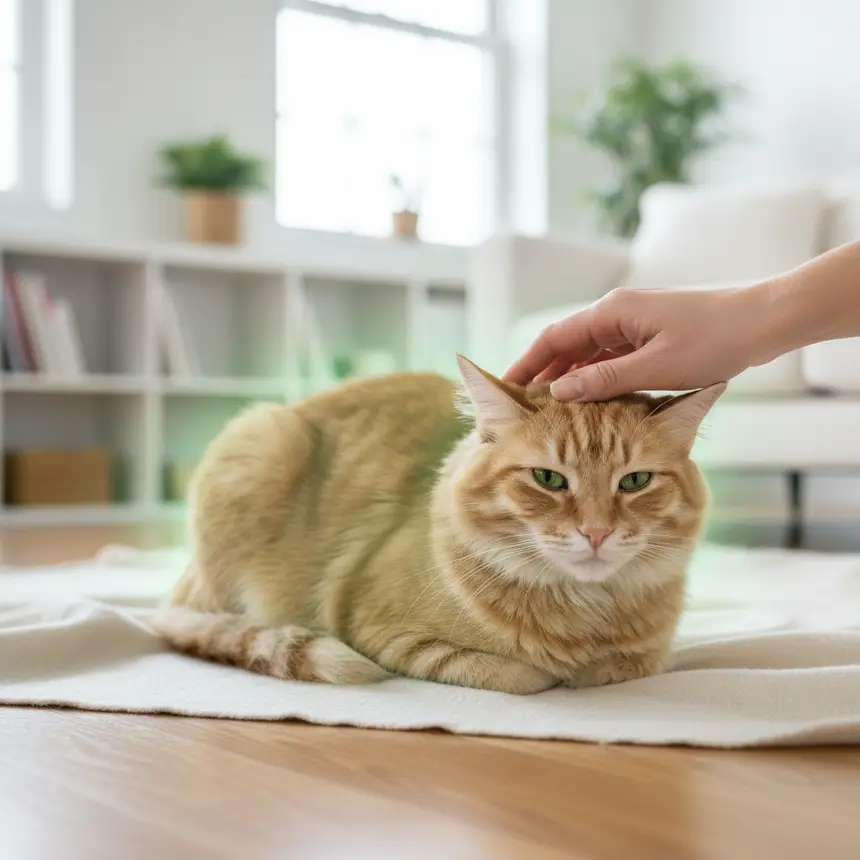
- Regular Skin Inspections: During your daily interactions and petting sessions with your cat, gently feel and examine their skin for any unusual redness, scabs, dandruff, or areas of abnormal hair loss. Paying close attention to even minor changes can make a significant difference.
- Consistent Hygiene Routine: Ensure that food and water bowls are kept meticulously clean, and regularly change litter box contents to maintain a hygienic environment. Moreover, make regular brushing a habit to prevent matting and promote healthy skin ventilation.
- Seeking Professional Guidance: If your cat's itching intensifies, skin lesions spread, or any unusual symptoms persist, it's crucial to consult a veterinary professional without delay. They can provide an accurate diagnosis and recommend appropriate management strategies. Prompt attention is especially vital for contagious cat skin problems, as they can spread to other pets or even humans.
Frequently Asked Questions
Q. Can cat skin problems be transmitted to humans?
A. Yes, some types of cat skin problems, particularly ringworm (a fungal infection), can be transmitted to humans. If your cat shows signs of a skin issue, it's advisable to consult a vet promptly and practice good hygiene, such as washing hands thoroughly after contact.
Q. My cat licks a specific area excessively. Is this a sign of a skin problem?
A. Yes, excessive grooming can indicate itchiness, pain, or self-trauma due to stress. It can stem from various causes like skin irritation, allergies, or parasitic infections. A veterinary diagnosis is recommended to determine the underlying type of cat skin problem.
Q. What kind of supplements are good for a cat's skin health?
A. Certain nutrients like omega-3 fatty acids, biotin, and zinc are important for skin health. However, instead of indiscriminate supplement use, it's best to provide a balanced diet tailored to your cat's needs and consult with a vet before considering any supplemental nutrition.
Q. Why does feline chin acne occur, and how can I manage it?
A. Feline chin acne typically results from overactive sebaceous glands or folliculitis, appearing as small black dots around the chin. Gently cleaning the area with a mild cleanser and using stainless steel or ceramic bowls instead of plastic for hygiene can help manage it.
Q. What's the most important thing I can do at home to prevent cat skin problems?
A. The most crucial aspects are regular observation and maintaining cleanliness. Daily brushing helps monitor skin condition, providing a hygienic environment, and ensuring your cat's diet supports skin health are key preventive measures. Stress management is also vital.