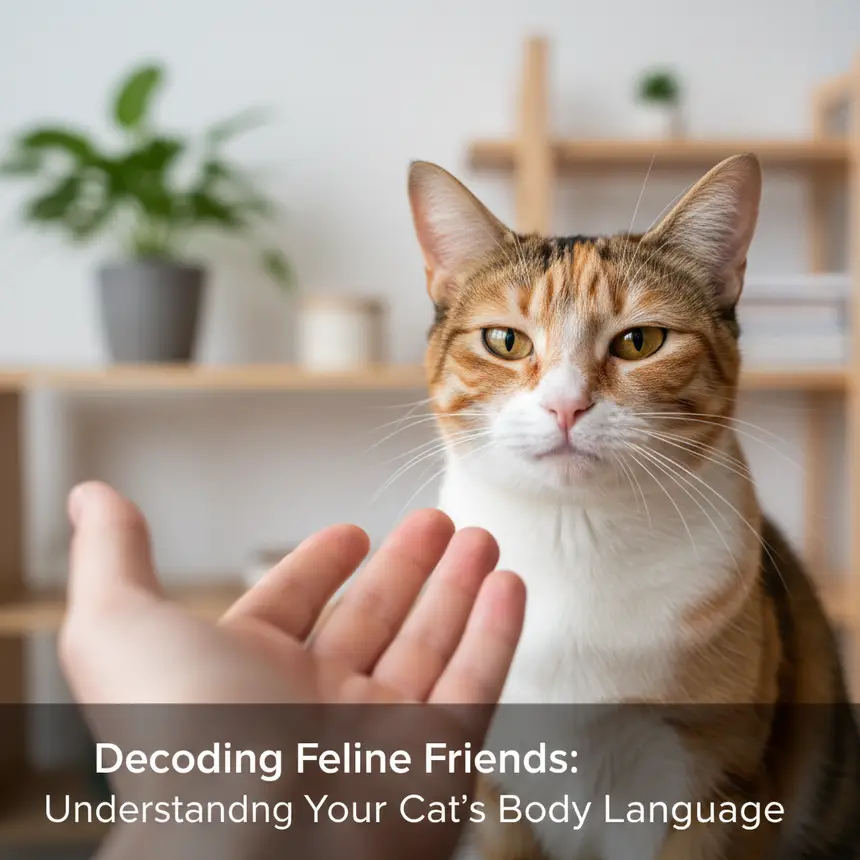
Discover the root causes of cat aggression and how to manage it. Learn to read your cat's signals and provide the right enrichment for a peaceful home.

Decoding Sudden Changes in Feline Temperament
Feline aggression can be one of the most frustrating challenges for pet parents. One moment your cat is purring, and the next, they are lunging at your hand. It is essential to understand that cats do not act out of spite. Instead, aggression is a form of communication used to signal discomfort, fear, or sensory overload. Many owners misinterpret a cat's boundary for a lack of affection. To manage these behaviors effectively, we must first look at the world through a cat's eyes. Recognizing the subtle cues before an attack happens is the first step toward restoring a peaceful bond. Aggression is rarely a personality trait; it is a response to environmental or physical factors that need our attention and adjustment.

Top 5 Reasons Behind Aggressive Feline Behavior
There are several primary drivers of cat aggression. First, territorial instincts can cause a cat to guard their space against newcomers or changes in the home. Second, fear-based aggression occurs when a cat feels trapped or threatened by loud noises or sudden movements. Third, redirected predatory energy is common in indoor cats who lack mental stimulation; they may target your ankles as 'prey.' Fourth, underlying physical discomfort or sensitivity can make a cat defensive when touched. Lastly, overstimulation—where repetitive petting becomes painful—can lead to sudden biting. To mitigate these issues, engage your cat in vigorous play sessions twice a day using wand toys to satisfy their hunting drive. Respecting their 'no-touch' zones, such as the belly or base of the tail, is also crucial for preventing escalations.
※ This post contains affiliate links. I may earn a commission at no extra cost to you.


Practical Strategies for a Harmonious Household
Managing aggression starts with creating a feline-friendly environment. Ensure your home has plenty of vertical space, like cat trees, where your cat can observe their surroundings from a safe distance. Learning to read feline body language is your best defense. A thumping tail, flattened ears, or dilated pupils are clear signals to stop interaction immediately. Never use physical punishment for biting or scratching, as this only increases fear and worsens the behavior. Instead, redirect their energy to a toy or calmly walk away to show that aggressive play ends the interaction. By providing safe retreats and honoring your cat's autonomy, you can significantly reduce tension. Consistency and patience are the keys to helping your cat feel secure and calm in their forever home.
Frequently Asked Questions
Q. Why does my cat bite me while I am petting them?
A. This is often 'overstimulation aggression.' Cats have sensitive skin, and repetitive petting can become overwhelming. Watch for tail flicking or skin twitching as a sign to stop.
Q. How can I stop my cat from attacking my feet when I walk by?
A. Your cat likely views your moving feet as prey. Increase the frequency of structured play sessions with toys to drain their hunting energy before they target you.
Q. Can a sudden increase in aggression be a sign of a health issue?
A. Yes, definitely. If a normally docile cat becomes aggressive, they may be experiencing hidden pain. A visit to a professional to rule out physical discomfort is highly recommended.