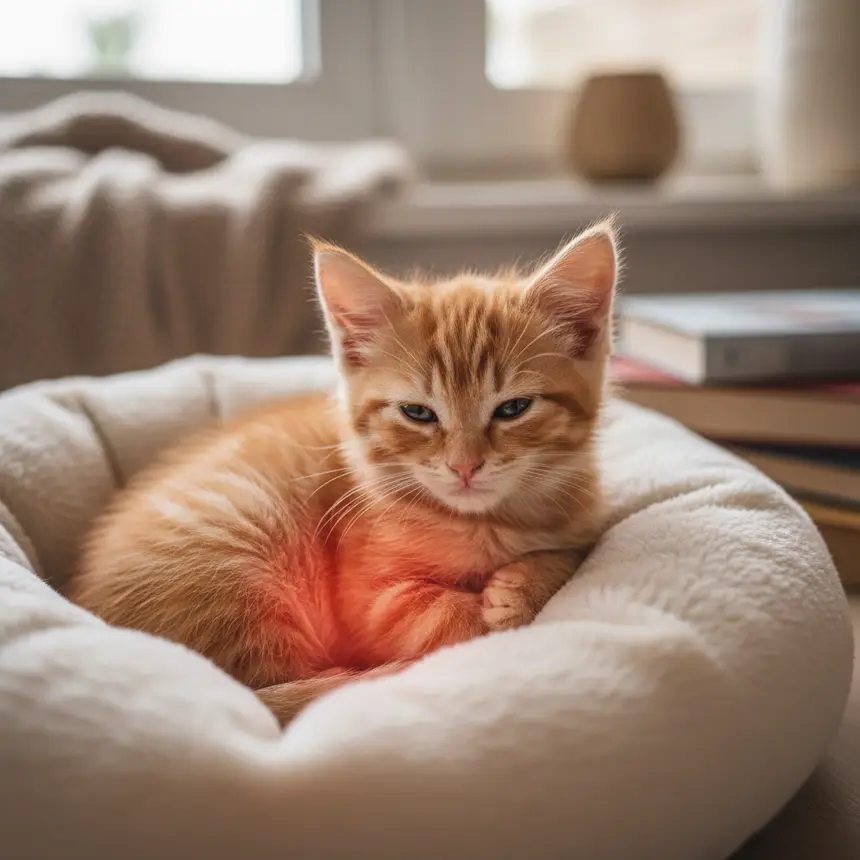
Discover everything about choosing, placing, and cleaning your cat's litter box for their well-being.
From kitten litter training to multi-cat household solutions, get essential tips for a healthy home environment.

The First Step with Your Feline Friend: Why Litter Box Choice Matters
Bringing a new kitten into your home is a joyous occasion, filled with anticipation and warmth. As these tiny companions embark on their new life journey, ensuring their comfort and well-being is paramount. Among the most crucial aspects of their environment is the cat litter box, a foundation for both their physical health and successful potty training. An unsuitable litter box, whether due to its type or placement, can lead to undesirable behaviors, such as accidents outside the designated area, or even cause significant stress for your feline friend. Many pet parents have experienced the frustration of finding their cat has used the sofa or bed instead of the litter box. These incidents are unpleasant for both the cat and the owner. To cultivate a harmonious home, it's essential to provide a litter box setup that ensures your cat feels secure and comfortable. This requires thoughtful preparation and consistent attention to detail from the very beginning.
Understanding the Consequences of Poor Litter Box Management
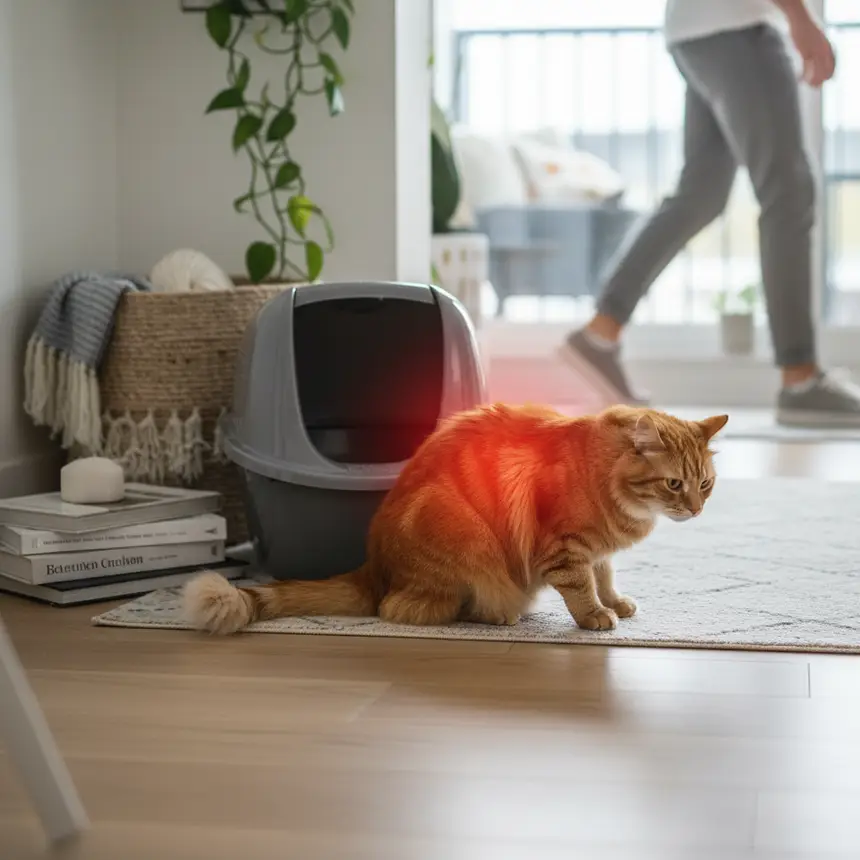
Viewing a cat litter box as merely a receptacle for waste overlooks its profound impact on your cat's life. An ill-chosen box, an inappropriate location, or insufficient maintenance can precipitate a range of issues, from behavioral problems to health concerns. For instance, a litter box with high sides or a cramped interior can be physically challenging for senior cats with joint issues or young kittens with underdeveloped jumping abilities, deterring them from using it. Similarly, placing a litter box in a high-traffic area or next to noisy appliances can make your cat feel vulnerable, disrupting their natural elimination process and prompting them to find more secluded, albeit inappropriate, spots. An unclean litter box is a significant source of stress for cats, potentially leading to behavioral changes. Furthermore, a neglected litter area can permeate your home with unpleasant odors, affecting the comfort of both pets and humans. It's vital to remember that cats are inherently meticulous creatures; meeting their instinctive need for cleanliness is non-negotiable. A suboptimal litter box environment can cause psychological discomfort for your cat, which might also strain the bond you share.
※ This post contains affiliate links. I may earn a commission at no extra cost to you.

Crafting the Ideal Litter Box Environment for Successful Potty Training
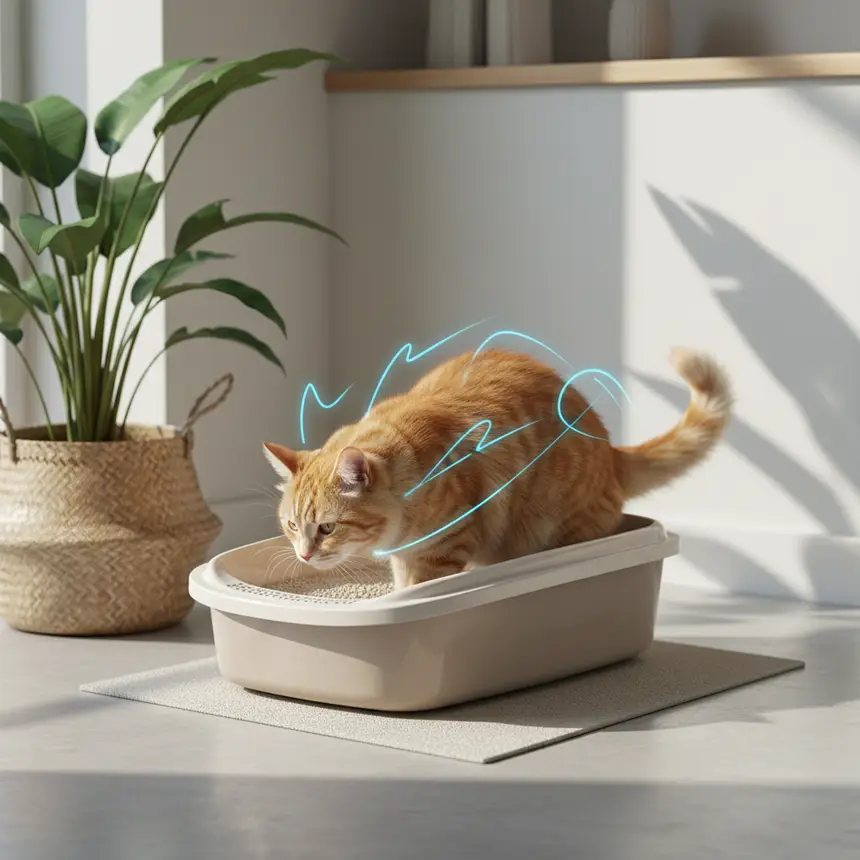
Establishing the right cat litter box environment from the outset is fundamental for your feline's health and happiness. For kittens, an open-top litter box with low sides and ample space is ideal. Their small size and developing motor skills mean they need an easily accessible entry point, typically 7-10 cm high. There are many kitten-specific litter boxes available, but initially, a wide, shallow container like a baking soda box or a low tray can serve as a temporary solution. Litter choice is equally crucial. Kittens have sensitive paw pads, so fine-grained, soft-textured litter is often preferred. While clumping litter simplifies waste management, it's best introduced after 2-3 months of age to mitigate the risk of ingestion due to curiosity. The litter box location should prioritize your cat's privacy, ensuring a quiet, undisturbed spot. Avoid placing it near noisy appliances or in high-traffic areas like entryways or living room centers. Instead, opt for a secluded corner of a room or a quiet section of a balcony. Cats instinctively prefer to separate their eating and elimination areas, so keep food and water bowls distant from the litter box. Good ventilation, such as near a window, is also beneficial for odor control. For multi-cat households, a general guideline is to provide one more litter box than the number of cats.
Practical Strategies for Maintaining a Pristine Cat Litter Box
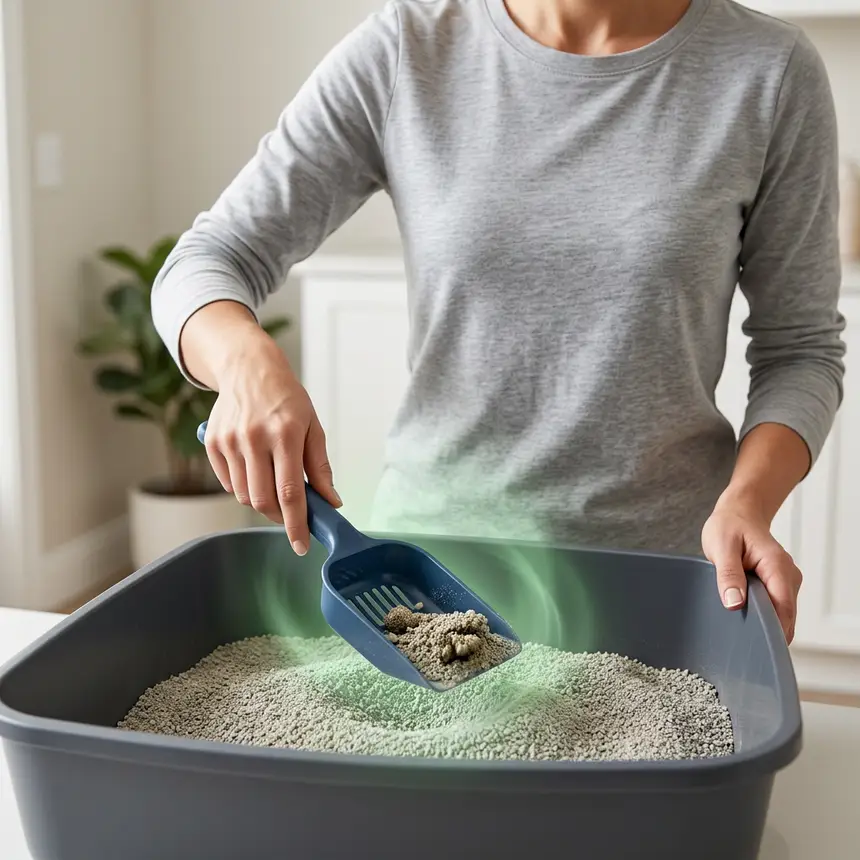
Maintaining a clean cat litter box is essential for your pet's health and your home's hygiene. Implement the following routine to ensure your cat always has a pleasant elimination space: - Daily waste removal: Scoop solid waste and clumped urine at least once or twice a day, typically in the morning and evening. In multi-cat homes, more frequent scooping is advisable. - Surrounding area cleanup: Cats often track litter outside the box. Placing a litter mat can help contain scattered particles, which should be swept or vacuumed daily. - Full litter change: Every 1-2 weeks, completely empty the litter box and refill it with fresh litter. This is crucial even with clumping litter to ensure overall freshness and hygiene. - Litter box washing: After discarding all old litter, thoroughly wash the box with mild detergent and warm water. Rinse extensively to remove any soap residue, then allow it to dry completely in a well-ventilated area or in direct sunlight before adding new litter. Adhering to this regular cleaning schedule is key to a hygienic litter box environment. When choosing a litter box type, consider your cat's personality and your living situation. Open litter boxes offer good ventilation and are suitable for kittens or timid cats, but they can lead to more litter scatter and odor diffusion. Hooded boxes help contain odors and reduce scatter, yet some cats might feel confined, and they can be more challenging to clean internally. Automatic litter boxes offer convenience in maintenance but come with a higher initial cost, and their sounds might startle sensitive cats.
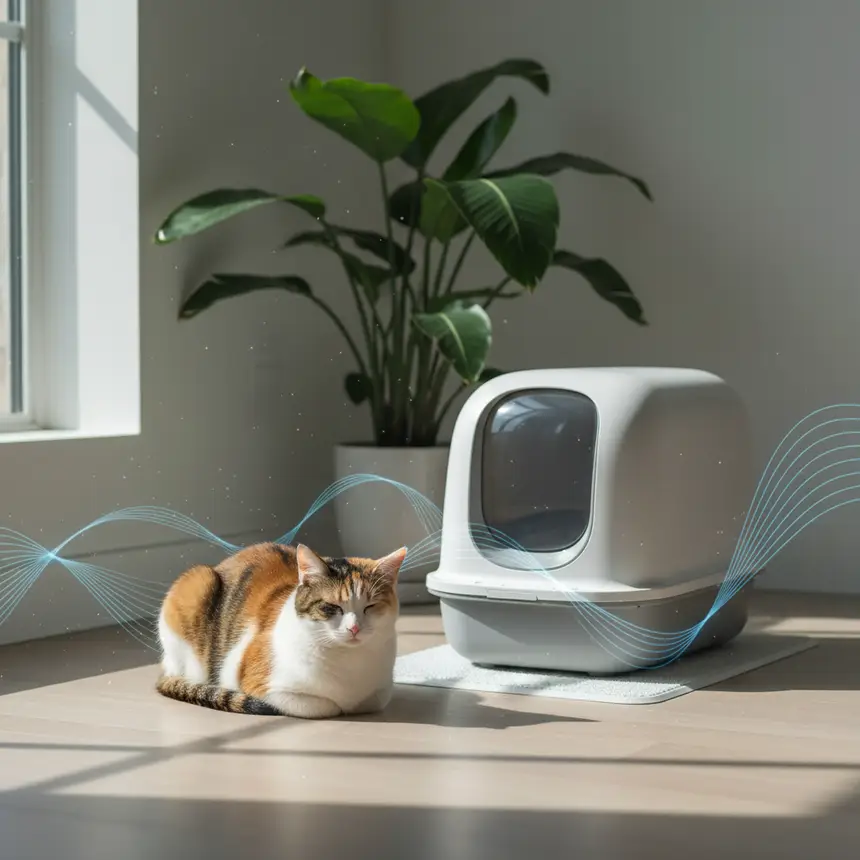
Prioritizing Litter Box Comfort for Your Cat's Well-being Today
For a cat, the litter box is far more than just a place to relieve themselves; it's a private and secure space. Respecting their instinctive need for cleanliness and privacy, and providing an optimal environment, is a crucial responsibility for every pet parent. By applying the guidelines shared today—regarding litter box selection, appropriate placement, and consistent cleaning—you can help your feline companion live a healthier, stress-free life. Even small adjustments can significantly boost your cat's happiness and deepen the bond you share. Take a moment now to evaluate your cat's litter box setup and implement any necessary improvements. A well-maintained litter box not only prevents behavioral issues but also contributes positively to your overall quality of life as a pet owner. Your thoughtful efforts will bring immense comfort and joy to your beloved cat.
Frequently Asked Questions
Q. What type of litter box is best for a new kitten?
A. For kittens, an open-top litter box with low sides (7-10 cm) is ideal due to their small size and weaker jumping ability. You can use kitten-specific boxes or even low trays temporarily.
Q. Where is the most ideal place to put a cat litter box in the home?
A. The best place for a cat litter box is a quiet, undisturbed area with low traffic and minimal noise, such as a room corner or a secluded part of a balcony. Keep it separate from food bowls and ensure good ventilation.
Q. How often should I change the cat litter completely?
A. While daily scooping of waste is essential, a complete change of all litter is recommended every 1-2 weeks. At this time, the litter box itself should also be washed with mild detergent and fully dried before refilling.
Q. For multi-cat households, how many litter boxes should I provide?
A. For multi-cat homes, the general rule is to provide 'number of cats + 1' litter boxes. For example, if you have two cats, you should ideally have at least three litter boxes.
Q. My cat keeps having accidents outside the litter box. What should I do?
A. This often signals discomfort with the current litter box setup. Evaluate the litter box type, location, litter preference, and cleanliness. Eliminate noise or privacy intrusion factors and identify any sources of stress your cat might be experiencing.