Feline periodontal disease is more than just an oral issue; it's directly linked to your cat's overall health. Learn to recognize the subtle behavioral changes that indicate feline periodontal disease symptoms, discover easily missed signs, and find effective oral care methods.
Ensure your beloved cat lives a healthy, happy life with this essential information.

Is Your Cat Silently Suffering from Oral Discomfort?
Have you noticed your beloved feline friend eating more slowly lately, or perhaps an unusually unpleasant odor emanating from their mouth? It's possible they've been avoiding touch around their face or reacting with irritation when you try. Cats are masters at hiding pain, so these subtle shifts might actually be symptoms of feline periodontal disease. Your cat's oral health isn't just about their teeth; it significantly impacts their overall well-being and lifespan. Paying close attention to the small signals your cat sends is crucial, as they might indicate an underlying issue that requires your attention.
Why is Feline Oral Health so Closely Tied to Overall Well-being?
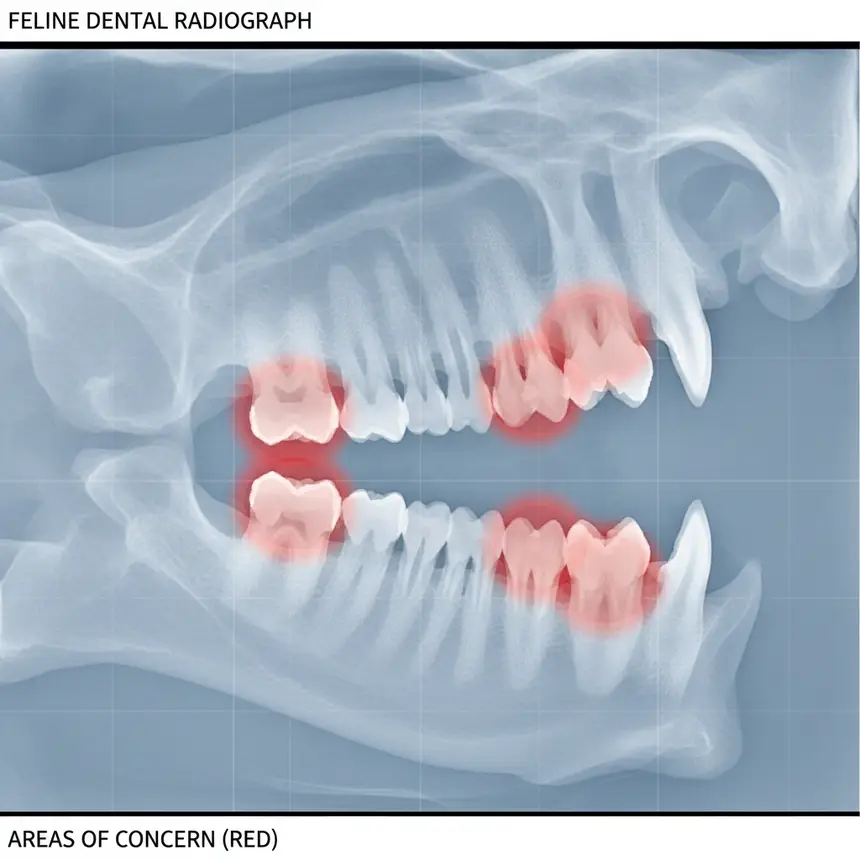
Feline periodontal disease refers to an inflammatory condition affecting the tissues surrounding the teeth, specifically the gums and the bone supporting the teeth. It typically begins as 'gingivitis,' where plaque and tartar accumulate on the tooth surface, leading to gum inflammation. If left unaddressed, this inflammation can deepen and progress to 'periodontitis,' damaging the bone around the tooth roots. A major concern is that bacteria thriving in the oral cavity can enter the bloodstream and spread to vital organs such as the heart, kidneys, and liver. In fact, it's common for cats suffering from oral diseases to also have co-existing internal medical conditions.
Furthermore, Feline Odontoclastic Resorptive Lesions (FORL), a common dental condition affecting approximately 70% of cats over seven years old, can cause severe pain even when the teeth appear normal on the surface, as the destruction begins internally at the tooth root. By the time feline periodontal disease symptoms become obvious, the condition may already be advanced. Therefore, professional examination is essential for accurately diagnosing the state of tooth roots and bone, which are not visible to the naked eye.
Furthermore, Feline Odontoclastic Resorptive Lesions (FORL), a common dental condition affecting approximately 70% of cats over seven years old, can cause severe pain even when the teeth appear normal on the surface, as the destruction begins internally at the tooth root. By the time feline periodontal disease symptoms become obvious, the condition may already be advanced. Therefore, professional examination is essential for accurately diagnosing the state of tooth roots and bone, which are not visible to the naked eye.
※ This post contains affiliate links. I may earn a commission at no extra cost to you.

Managing and Resolving Feline Periodontal Disease
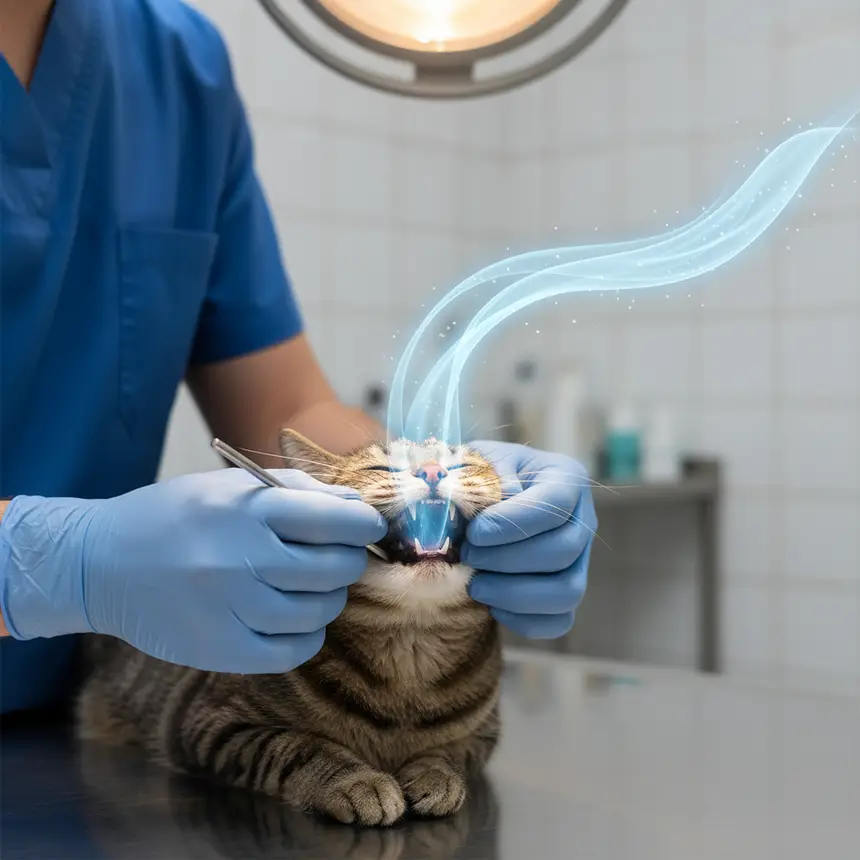
Appropriate management of feline periodontal disease depends on its severity. In the early gingivitis stage, professional dental scaling combined with home oral hygiene can lead to improvement. However, if the disease has progressed to periodontitis with bone damage, extracting the affected teeth might be the best course of action to enhance your cat's quality of life. Extraction is not merely removing a tooth; it's eliminating the source of chronic pain, allowing your cat to eat and live comfortably.
Such specialized dental procedures must be performed under safe anesthesia. A customized anesthesia plan that considers the cat's age, health status, and any underlying conditions, along with real-time monitoring using advanced medical equipment, is crucial. For instance, veterinary professionals with extensive anesthesia experience prioritize minimizing risks during procedures. They also typically perform dental X-rays as a standard part of treatment for accurate diagnosis, meticulously checking for damage to tooth roots or jawbone that isn isn't visible externally. Furthermore, choosing a facility that operates a separate dental treatment area to prevent cross-contamination is highly recommended.
Such specialized dental procedures must be performed under safe anesthesia. A customized anesthesia plan that considers the cat's age, health status, and any underlying conditions, along with real-time monitoring using advanced medical equipment, is crucial. For instance, veterinary professionals with extensive anesthesia experience prioritize minimizing risks during procedures. They also typically perform dental X-rays as a standard part of treatment for accurate diagnosis, meticulously checking for damage to tooth roots or jawbone that isn isn't visible externally. Furthermore, choosing a facility that operates a separate dental treatment area to prevent cross-contamination is highly recommended.
Practical Tips for Maintaining Your Cat's Oral Health at Home
Your consistent attention and effort are key to your cat's oral health. Here are some actionable tips you can implement at home:
1. Regular Oral Checks: Once a month, gently lift your cat's lips to check their gum color (healthy gums are pale pink), look for tartar buildup, and assess their breath. Early detection of changes is vital.
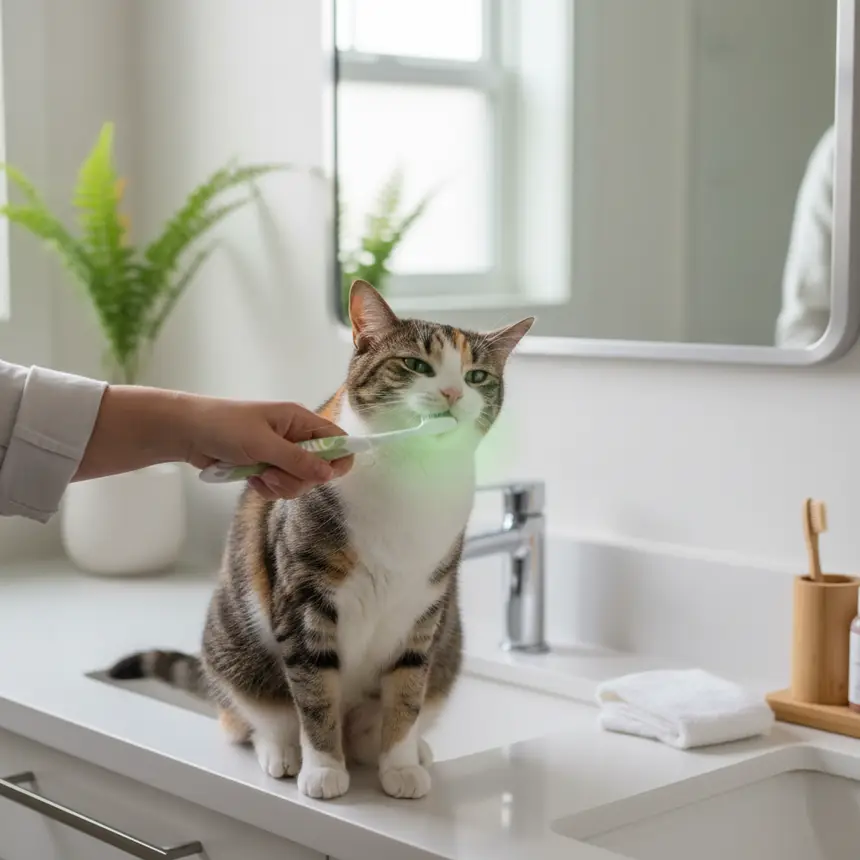
2. Tooth Brushing Routine: Start with very short sessions and gradually help your cat get accustomed to it. Use a cat-specific toothbrush and toothpaste, and create positive experiences with praise and rewards. Even brushing 2-3 times a week is beneficial if daily brushing is too challenging.
3. Oral Health Supplements/Foods: Consider incorporating functional treats or diets designed to help reduce plaque and tartar buildup on teeth. Always consult with your veterinarian when choosing products to ensure they are appropriate for your cat.
4. Routine Veterinary Check-ups: It's recommended to visit your veterinarian at least once a year for a general health check-up that includes an oral examination. A veterinarian can professionally identify early feline periodontal disease symptoms and recommend necessary interventions.
1. Regular Oral Checks: Once a month, gently lift your cat's lips to check their gum color (healthy gums are pale pink), look for tartar buildup, and assess their breath. Early detection of changes is vital.
2. Tooth Brushing Routine: Start with very short sessions and gradually help your cat get accustomed to it. Use a cat-specific toothbrush and toothpaste, and create positive experiences with praise and rewards. Even brushing 2-3 times a week is beneficial if daily brushing is too challenging.
3. Oral Health Supplements/Foods: Consider incorporating functional treats or diets designed to help reduce plaque and tartar buildup on teeth. Always consult with your veterinarian when choosing products to ensure they are appropriate for your cat.
4. Routine Veterinary Check-ups: It's recommended to visit your veterinarian at least once a year for a general health check-up that includes an oral examination. A veterinarian can professionally identify early feline periodontal disease symptoms and recommend necessary interventions.

Proactive Care, Not Just Observation, for Feline Periodontal Disease
Feline periodontal disease symptoms are crucial signals that your cat might be experiencing pain. Ignoring these subtle warnings can lead to a decline in overall health and significantly diminish your cat's quality of life. If you detect any faint signs such as worsening bad breath, changes in eating behavior, or resistance to facial touch, do not hesitate to consult a professional veterinarian. They can provide an accurate diagnosis and establish an appropriate treatment plan. Your proactive care and attention are paramount to ensuring your beloved cat lives a healthy and happy life. Investing in their oral health is one of the greatest gifts you can give them.
Frequently Asked Questions
Q. Why is my cat's oral health so important?
A. Your cat's oral health extends beyond just their teeth; it's intricately linked to their systemic health. Bacteria from the mouth can enter the bloodstream and travel to vital organs like the heart, kidneys, and liver, potentially causing inflammation or other illnesses. Good oral health is essential for your cat's overall quality of life.
Q. What are some early symptoms of feline periodontal disease?
A. The most common early sign of feline periodontal disease is noticeably worse breath than usual. Other changes may include dropping food while eating, slower eating, chewing primarily on one side, excessive drooling, or avoiding touch around the mouth area.
Q. Can older cats undergo dental procedures safely?
A. Yes, older cats can safely undergo dental procedures after a thorough evaluation of their overall health. If anesthesia is administered and monitored by experienced veterinary professionals, it can significantly alleviate the pain from oral disease and improve their quality of life, even in advanced age.
Q. What's the most effective way to care for my cat's teeth at home?
A. The most effective method is regular tooth brushing using a cat-specific toothbrush and toothpaste. Start slowly and gradually increase the duration. Incorporating functional dental treats or diets can also be helpful, and regular veterinary check-ups are crucial for monitoring oral health.
Q. Is dental X-ray necessary for diagnosing periodontal disease?
A. Yes, dental X-rays are crucial for diagnosing feline periodontal disease. While the visible part of the teeth can be examined with the naked eye, X-rays allow for accurate assessment of the tooth roots, the extent of jawbone damage, and any hidden lesions beneath the gum line, which is essential for proper treatment planning.