Discover the secrets to stress-free, gentle cat bathing for healthy skin and a shiny coat. This guide provides detailed tips for kittens to sensitive-skin cats, ensuring effective and enjoyable hygiene.
H2 Achieve a Luminous Coat with Stress-Free Cat Bathing: A Secret to Feline Wellness
A clean, glossy coat is a point of pride for pet owners and a vital indicator of a cat's overall health. For kittens or cats with sensitive skin, proper bathing is crucial for preventing skin conditions and maintaining a comfortable living environment. Many guardians find cat bathing challenging, but with the right preparation and gentle skincare products, you can minimize your feline friend's stress while keeping their fur and skin pristine. Regular hygiene not only eliminates unpleasant odors but also helps prevent matting and reduces hairball issues by removing loose fur. Furthermore, for cats experiencing discomfort from eye discharge or fecal matter, bathing can become an essential part of their care routine. Transform bath time into an enjoyable and effective experience for a healthy, radiant coat for your beloved cat.
H2 Safe and Effective Bathing Guide for Your Cat's Skin Health
Successful cat bathing is a combination of meticulous preparation and proper technique. First, it's crucial to trim your cat's claws before bathing to prevent scratches, and creating a calm, quiet atmosphere can significantly reduce stress. Prepare several warm towels in advance, and playing soft classical music can also be beneficial.
When selecting bathing products, the key is to choose formulations specifically designed for cats, containing gentle ingredients. Look for products that utilize plant-derived surfactants, are rich in moisturizing agents like D-panthenol, ceramides, and allantoin, and are free from common potential allergens (e.g., tested for 26 common allergens). Foam-dispensing cleansers can simplify the process by eliminating the need for dilution and reducing the direct water exposure that can startle a cat. Such products are often suitable for cats of all ages, from kittens weighing around 1.3 kg (approximately 3 lbs) to senior felines, and can be particularly effective for managing skin issues or flakiness due to their gentle formulation.
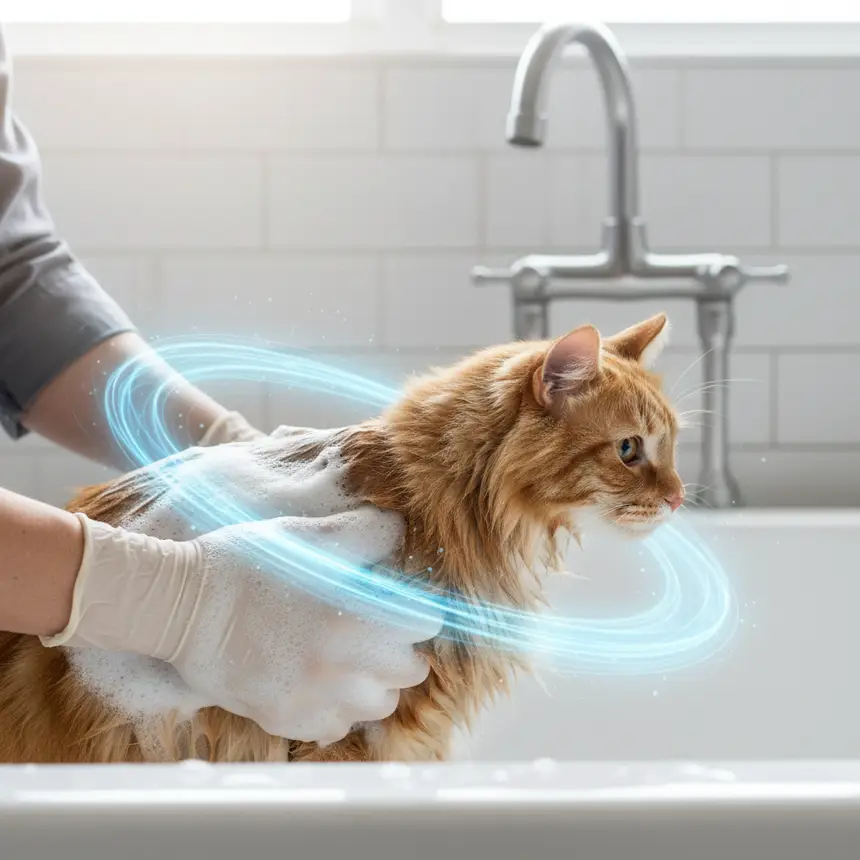
During the bath, thoroughly wet your cat with lukewarm water, then gently massage the foam cleanser into their coat. Pay special attention to areas requiring extra care, such as around the eyes, the tail base (where fecal matter can accumulate), and paw pads. Avoid excessive force or prolonged bathing; instead, aim for a quick and gentle process. After cleansing, rinse thoroughly with warm water multiple times to ensure no residue is left behind, as lingering soap can cause skin irritation.
When selecting bathing products, the key is to choose formulations specifically designed for cats, containing gentle ingredients. Look for products that utilize plant-derived surfactants, are rich in moisturizing agents like D-panthenol, ceramides, and allantoin, and are free from common potential allergens (e.g., tested for 26 common allergens). Foam-dispensing cleansers can simplify the process by eliminating the need for dilution and reducing the direct water exposure that can startle a cat. Such products are often suitable for cats of all ages, from kittens weighing around 1.3 kg (approximately 3 lbs) to senior felines, and can be particularly effective for managing skin issues or flakiness due to their gentle formulation.
During the bath, thoroughly wet your cat with lukewarm water, then gently massage the foam cleanser into their coat. Pay special attention to areas requiring extra care, such as around the eyes, the tail base (where fecal matter can accumulate), and paw pads. Avoid excessive force or prolonged bathing; instead, aim for a quick and gentle process. After cleansing, rinse thoroughly with warm water multiple times to ensure no residue is left behind, as lingering soap can cause skin irritation.
※ This post contains affiliate links. I may earn a commission at no extra cost to you.

H2 Key Considerations and Tailored Tips for Cat Bathing
Cat bathing should be a positive experience for both the pet and the guardian. To achieve this, it's important to be aware of certain precautions and apply customized care tips.
2. Senior Cats: When mobility issues make self-grooming difficult, necessitating hygiene assistance.
3. Cats with Skin Issues or Dandruff: Benefiting from gentle, moisturizing ingredients for skin soothing.
4. Long-haired Breeds or Cats Prone to Matting: To facilitate easier coat management.
5. Outdoor Cats or Those with Hygiene Problems: When cleanliness is essential for health.
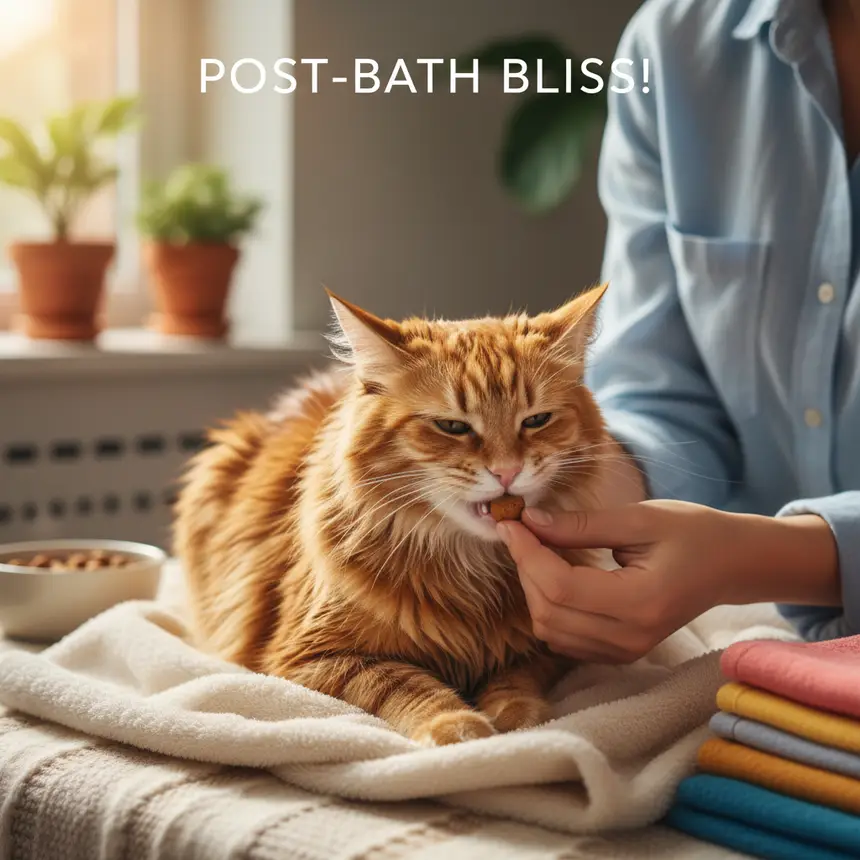
After the bath, reward your cat with their favorite treat to create a positive association, and allow them to rest comfortably. These steps will contribute to strengthening your bond with your cat and fostering healthy lifestyle habits.
- Precautions: During the bath, take extreme care to prevent shampoo from entering your cat's eyes, ears, or nose. When using a foam cleanser, you can cup your hand over these areas or apply the foam to a soft cloth to gently clean around the face. If your cat becomes overly stressed or agitated, it's best to stop the bath and try again another time. Not all cats require frequent bathing, so adjust the bathing frequency based on your cat's cleanliness and health status.
- Drying Method: After rinsing, gently wrap your cat in a warm towel to absorb as much moisture as possible. If using a hairdryer, always use it on a low heat and low speed setting, maintaining a safe distance. For cats sensitive to noise, air-drying or encouraging self-grooming after towel-drying is often a better approach. Incomplete drying can lead to skin infections, so ensure the coat is thoroughly dry, right down to the skin.
- Recommended for: This bathing approach is particularly beneficial for the following types of cats:
2. Senior Cats: When mobility issues make self-grooming difficult, necessitating hygiene assistance.
3. Cats with Skin Issues or Dandruff: Benefiting from gentle, moisturizing ingredients for skin soothing.
4. Long-haired Breeds or Cats Prone to Matting: To facilitate easier coat management.
5. Outdoor Cats or Those with Hygiene Problems: When cleanliness is essential for health.
After the bath, reward your cat with their favorite treat to create a positive association, and allow them to rest comfortably. These steps will contribute to strengthening your bond with your cat and fostering healthy lifestyle habits.
Frequently Asked Questions
Q. How often should I bathe my cat?
A. Most cats maintain their cleanliness through self-grooming, so frequent baths are usually unnecessary. Generally, bathing every 2-3 months or only when heavily soiled is recommended. For kittens or cats with skin conditions, it's safest to consult with a veterinarian to determine the appropriate bathing frequency.
Q. What are the best ways to reduce stress during a cat bath?
A. Trimming claws before the bath, creating a calm environment, using lukewarm water, and a foam-dispensing cleanser can help. Keep the bath as short as possible, bathe with gentle strokes, and reward your cat with their favorite treats afterward to create a positive experience.
Q. What type of shampoo is best for a cat's sensitive skin?
A. Opt for cat-specific, hypoallergenic, unscented, or mildly scented shampoos. Products with plant-derived surfactants and moisturizing ingredients like D-panthenol and ceramides, free from potential allergens, are safer for sensitive skin. Foam-dispensing products can also make bathing easier.
Q. What's the best way to dry my cat's fur after a bath?
A. First, use a soft towel to remove as much water as possible. If using a hairdryer, always use it on a low heat and low-speed setting, maintaining a safe distance. For noise-sensitive cats, encouraging air-drying or self-grooming is preferable. Thoroughly drying the fur, down to the skin, is crucial to prevent skin issues.
Q. Do kittens need baths?
A. Kittens may need baths if they can't groom themselves perfectly yet or get dirty easily. Especially if soiled by waste, a gentle kitten-specific cleanser for partial or full baths can be beneficial for hygiene and health. However, maintaining their body temperature is vital, so bathe quickly and dry thoroughly.