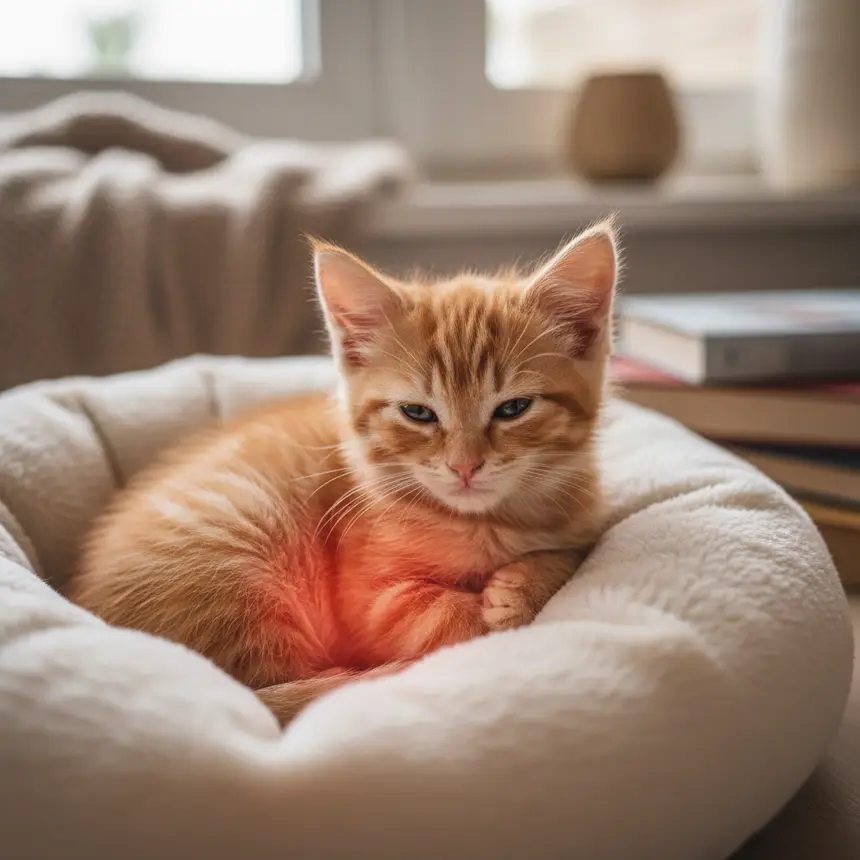
Notice tear stains around your baby rabbit's eyes? Discover common causes, effective daily care routines, and when to seek professional advice. Ensure your bunny enjoys clear vision and comfort with proper eye health management.

A Clear View: The Foundation of Your Bunny's Happiness
Your baby rabbit's bright, clear eyes are not just adorable; they're vital indicators of overall health and well-being. It's common for new bunny parents to notice dampness or tear stains around their pet's eyes. While it's easy to dismiss these as minor irritations caused by dust or allergies, neglecting them can lead to persistent discomfort, skin irritation around the eyes, or even secondary infections. Early identification of the cause and consistent, gentle care are crucial. Proactive eye care can prevent unnecessary suffering, helping your rabbit maintain sharp vision and enjoy a higher quality of life. Addressing tear stains promptly ensures your furry friend can explore their world without discomfort.
Beyond Hay Dust: Unraveling the Causes of Rabbit Tear Stains
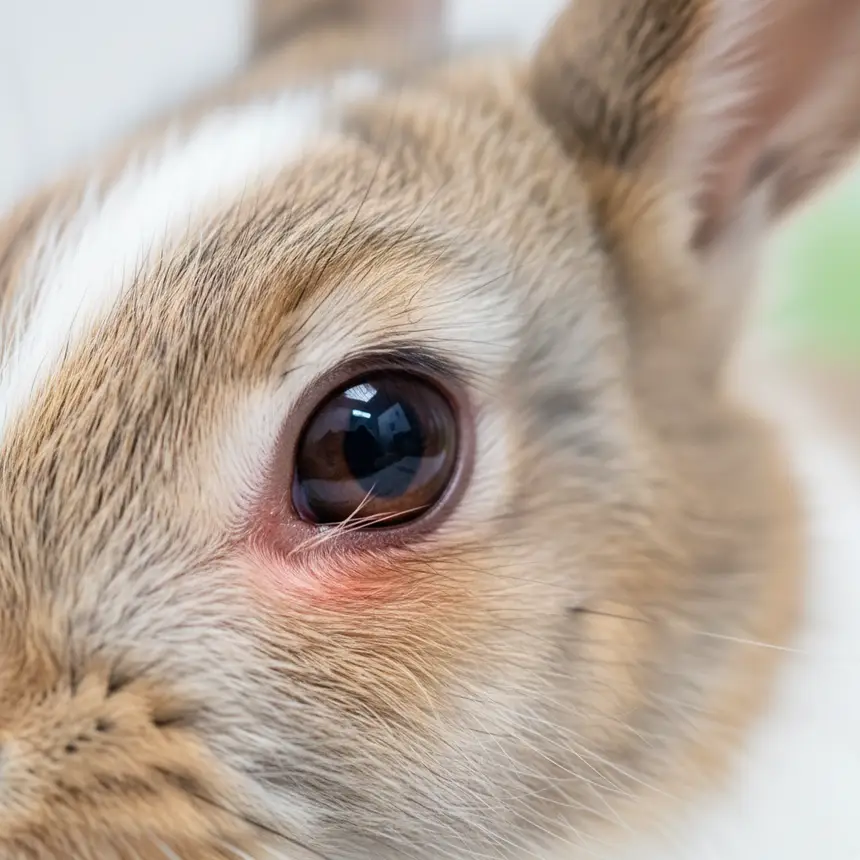
While hay dust and environmental allergens are often suspected culprits, a frequently overlooked cause of tear staining in young rabbits is their own delicate fur. Baby bunnies, especially, haven't fully developed their adult coat, and fine strands of fur can grow in directions that constantly irritate the eye or even poke it directly. This continuous physical stimulation can lead to excessive tear production. Additionally, during their meticulous grooming sessions, fur can temporarily cover or irritate the eye. When tears are produced excessively due to this irritation, they create a perpetually damp environment around the eyes, which can be a breeding ground for bacteria if not kept clean. Understanding that fur irritation can be a primary cause helps owners target the issue more effectively than simply attributing it to environmental factors.
※ This post contains affiliate links. I may earn a commission at no extra cost to you.

Daily Eye Care Rituals: Keeping Your Bunny's Eyes Bright
Consistent and gentle daily care is paramount in managing tear stains and maintaining your baby rabbit's eye health.
- Regular Visual Checks: Make it a habit to inspect your rabbit's eyes daily. Look for any dampness, redness, or discharge. Using your smartphone camera to take close-up photos can reveal tiny fur strands or irritations that are hard to spot with the naked eye.
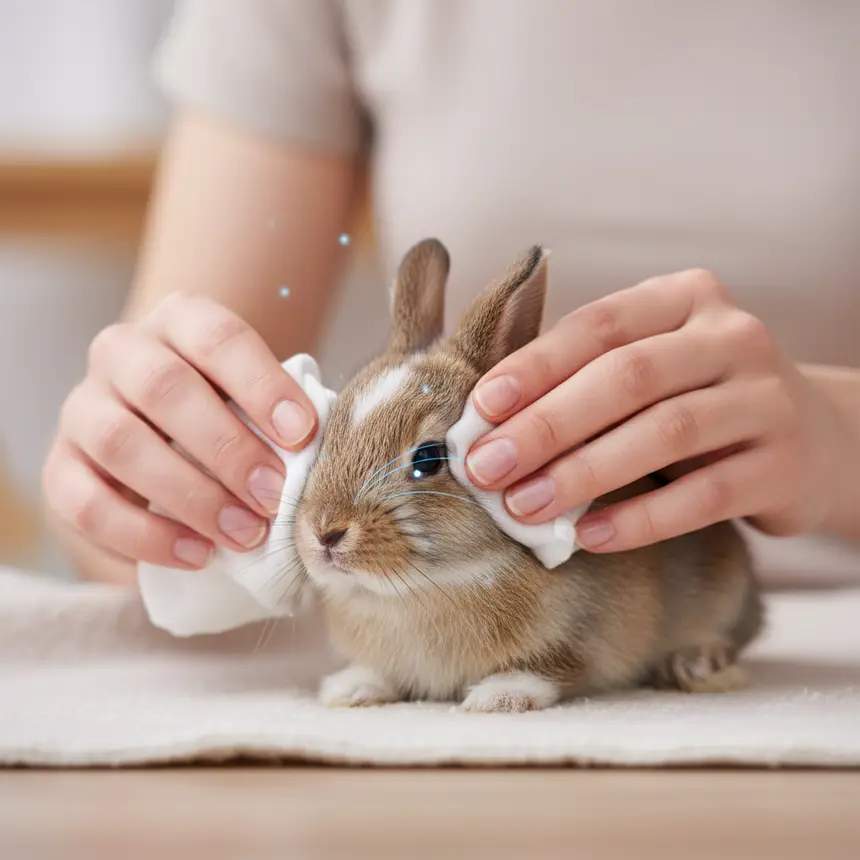
- Gentle Cleaning: Use a soft, damp cloth or a pet-specific eye wipe to gently clean away tear stains. Always wipe from the inner corner of the eye outwards, in one direction, taking care not to rub or put pressure directly on the eyeball. Use a fresh part of the cloth for each eye to prevent cross-contamination.
- Managing Eye-Area Fur: If you notice fur growing towards or into the eye, use a very soft, small brush (like a baby toothbrush or eyebrow brush) to gently comb the fur away from the eye line. If the fur is consistently long and irritating, and you feel comfortable, you can very carefully trim just the tips with blunt-nosed pet grooming scissors. However, if your rabbit is squirmy or you're unsure, it's safer to consult a professional groomer or veterinarian for this task.
- Environmental Optimization: Opt for low-dust hay and give it a shake outdoors before placing it in the feeder. Maintain appropriate indoor humidity levels and ensure good ventilation to minimize airborne dust and potential allergens.
When to Seek Expert Advice: Recognizing Serious Eye Issues
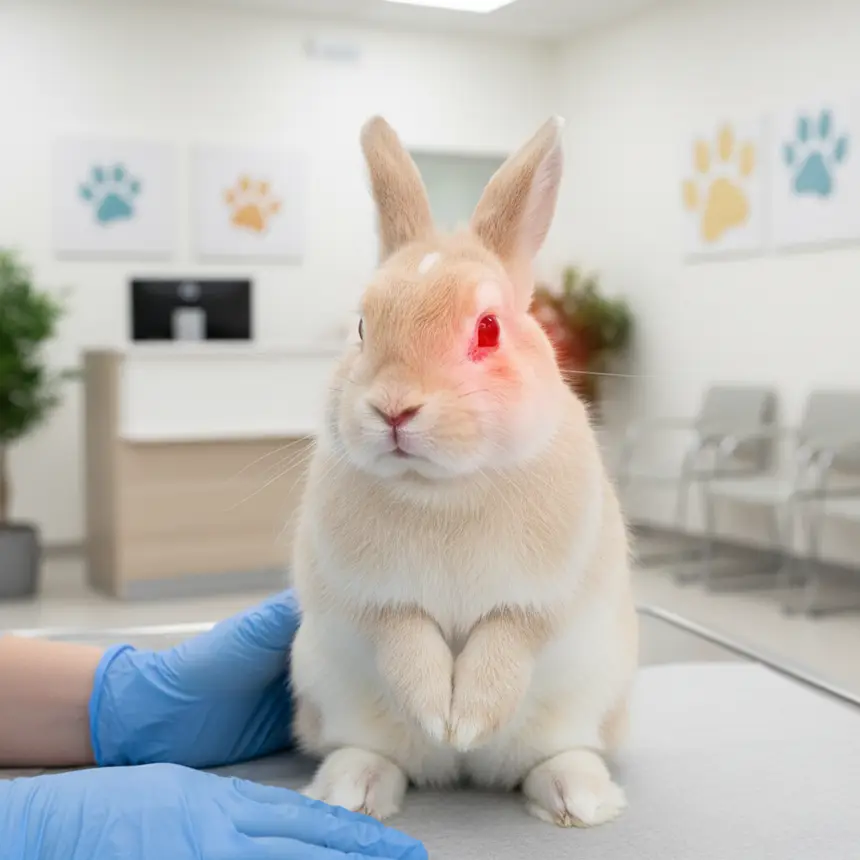
While diligent home care can resolve many tear stain issues, it's crucial to recognize when a problem warrants professional veterinary attention. Consult your veterinarian immediately if you observe any of the following signs:
- Persistent redness or swelling around the eye.
- Excessive tearing that doesn't improve, or discharge that is thick, yellow, or green.
- Your rabbit is squinting, keeping an eye closed, or pawing at their eye frequently.
- Any visible injury, ulceration, or crusting on the eyelid or surrounding skin.
- A noticeable change in the appearance of the eyeball itself.
Frequently Asked Questions
Q. How early should I start monitoring my baby rabbit's eyes for tear stains?
A. It's advisable to start checking your baby rabbit's eyes daily from the moment they arrive home. Young rabbits can be quite sensitive to environmental factors and fur irritation. Pay close attention to how their fur settles around their eyes after grooming.
Q. Is it safe to wipe my rabbit's eyes with just water?
A. Yes, using a soft cloth dampened with clean, plain water or pet-specific eye wipes is generally safe. Avoid pouring water directly into their eyes or rubbing vigorously, as this can cause further irritation.
Q. Can I trim the fur around my rabbit's eyes myself?
A. Trimming around the eyes requires extreme caution and precision. If your rabbit isn't still, or if you're not confident, it's best not to attempt it yourself to avoid accidental injury. For safety, it's recommended to seek assistance from a professional groomer or veterinarian.
Q. My rabbit has persistent tear stains. Is it always just hay dust?
A. While hay dust can certainly be a factor, persistent tear stains can stem from various causes, including fur irritation, allergies, or even underlying infections. If the tear stains continue despite your best efforts, consulting a veterinarian to determine the exact cause is highly recommended.
Q. Why does my rabbit develop eye discharge or 'sleep' in its eyes?
A. Eye discharge (or 'sleep') is often a natural way for the eye to clear debris. However, if it's excessive, thick, or has a yellowish or greenish tint, it could signal an infection or other issues. Increased tearing, fur irritation, and dry environments can all contribute to discharge.