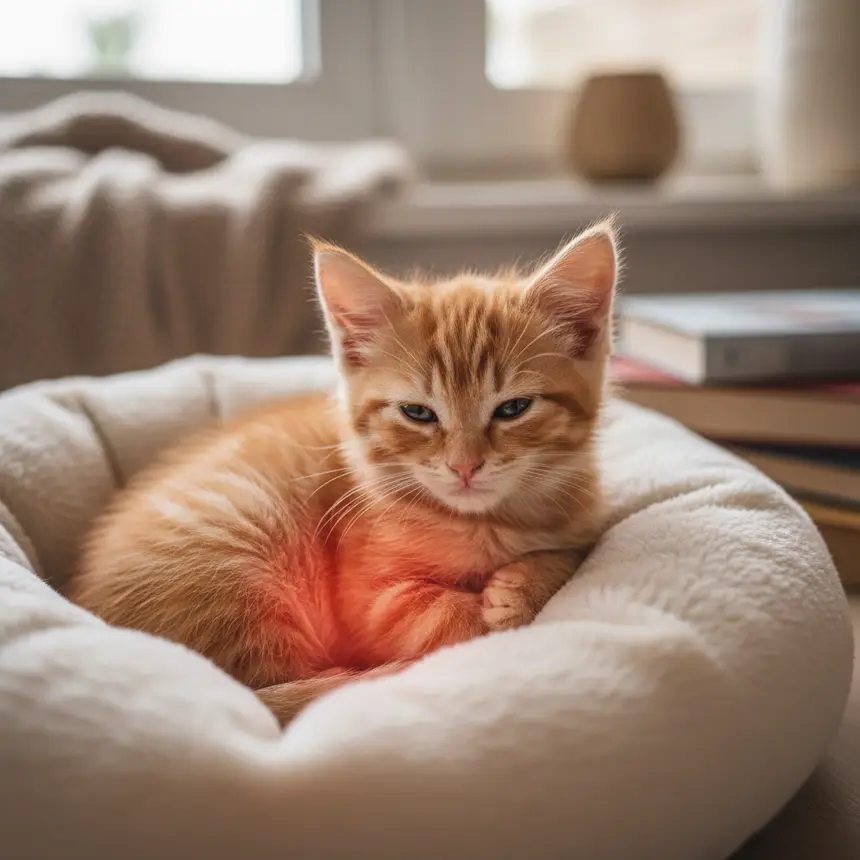
Open-mouth breathing in cats can signal serious underlying heart conditions. Discover the early signs of feline heart disease, what to look for, and essential care tips to protect your beloved cat's cardiovascular health.

H2. Silent Hunters: Unraveling Your Cat's Subtle Breathing Signals
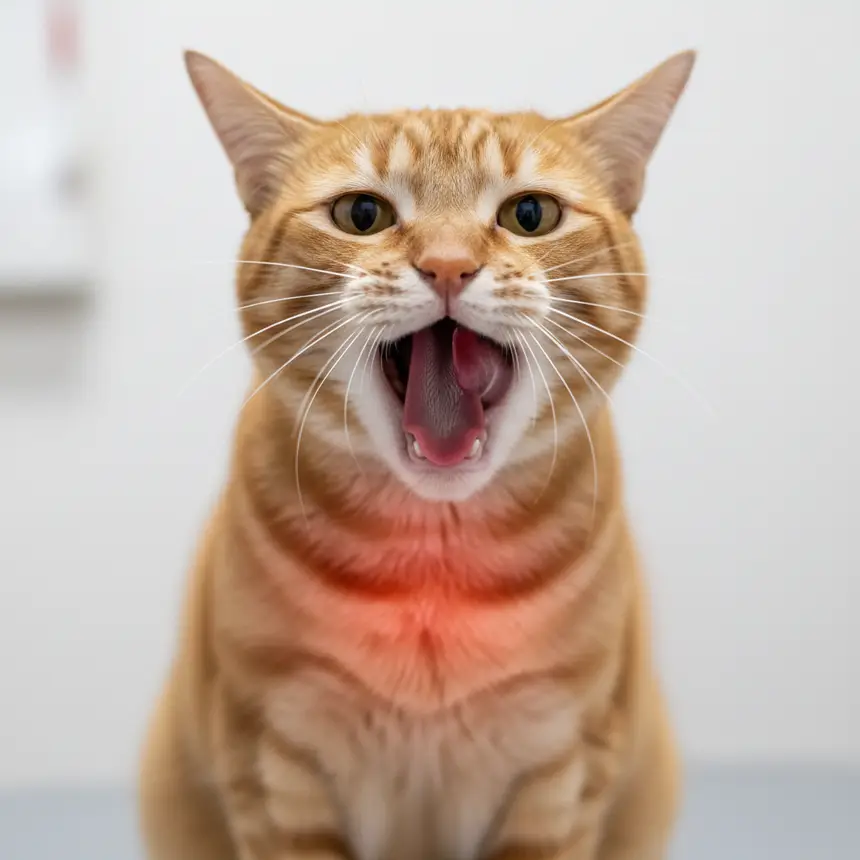
Have you ever observed your beloved cat peacefully napping, only to notice their chest rising and falling more rapidly than usual? Or perhaps, after a brief, joyful play session, you've been startled to see them panting with an open mouth, much like a dog? Cats inherently possess a strong instinct to conceal any signs of weakness. When such a delicate creature begins breathing in an unusual manner, it might not just be fatigue; it could be a critical warning sign of a serious health issue like feline heart disease. Open-mouth breathing, in particular, is highly uncommon in cats and demands immediate attention if observed.
H2. Your Cat's Heart: An Urgent Call for Help – Symptoms Explained
A cat's heart functions as a vital pump, circulating blood throughout its body. In certain heart conditions, such as hypertrophic cardiomyopathy, the heart walls thicken abnormally, preventing the heart from fully relaxing and efficiently pumping blood. This leads to blood pooling and increased pressure, which can cause fluid to back up into the lungs, resulting in pulmonary edema. When the lungs fill with fluid, breathing becomes labored, and oxygen supply diminishes. Instinctively, the cat will open its mouth to breathe, a critical state known as open-mouth breathing. Beyond this, it's crucial to closely monitor for the following changes: - A resting or sleeping respiratory rate that consistently exceeds 30 breaths per minute. - Easy fatigue or open-mouth breathing after even short periods of play. - Sudden weakness or wobbling in the hind legs, or vocalizations indicating pain. - A noticeable decrease in activity levels and a reduction in appetite. These signs can indicate diminished heart function and carry the risk of severe complications, such as blood clot formation leading to blockages, necessitating prompt attention.
※ This post contains affiliate links. I may earn a commission at no extra cost to you.

H2. Key to Feline Heart Health: Accurate Diagnosis
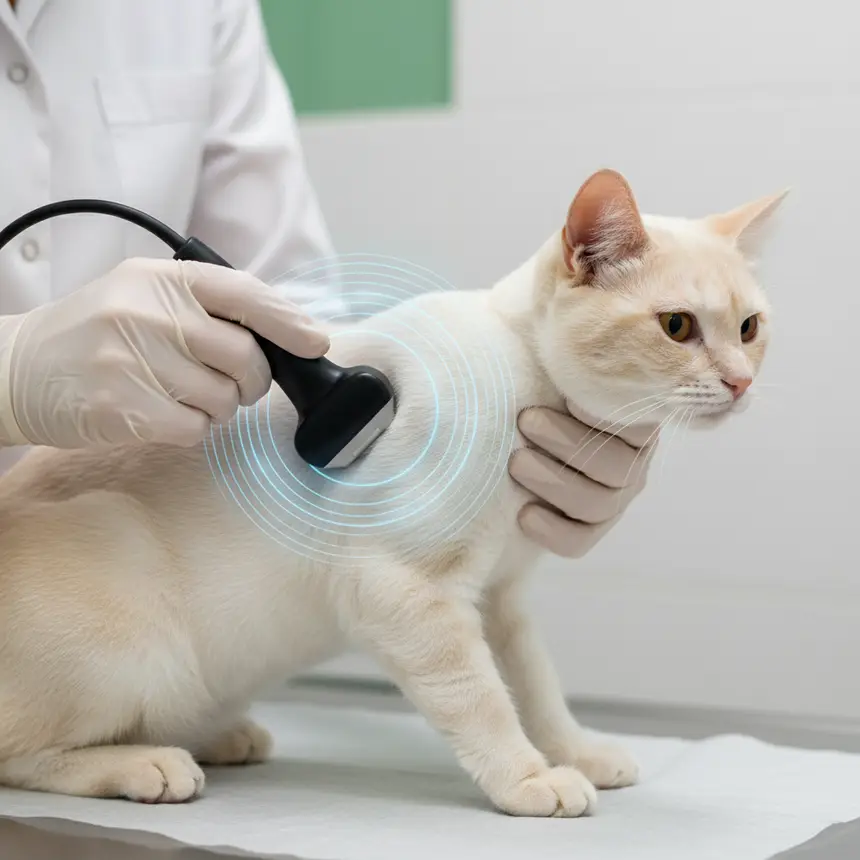
Early stages of feline heart problems are often imperceptible to the naked eye, making a precise diagnosis an essential step requiring professional veterinary expertise. Simple auscultation (listening with a stethoscope) is often insufficient to detect subtle internal heart changes. The diagnostic process typically begins with a chest X-ray, which quickly assesses the overall size and shape of the heart and checks for fluid accumulation in the lungs (pulmonary edema). This provides crucial initial clues about the presence and general state of a heart condition. Following this, a cardiac ultrasound (echocardiogram) is the cornerstone for detailed analysis. It allows for real-time, precise evaluation of the heart's internal structure, wall thickness, valve function, and blood flow velocity. The comprehensive information gathered from an ultrasound is pivotal in understanding your cat's specific heart condition and formulating a future management plan. Early detection and establishing an appropriate care strategy through these detailed examinations are paramount for ensuring your cat maintains a comfortable and healthy life.
H2. Practical Steps to Support Your Cat's Heart Health at Home
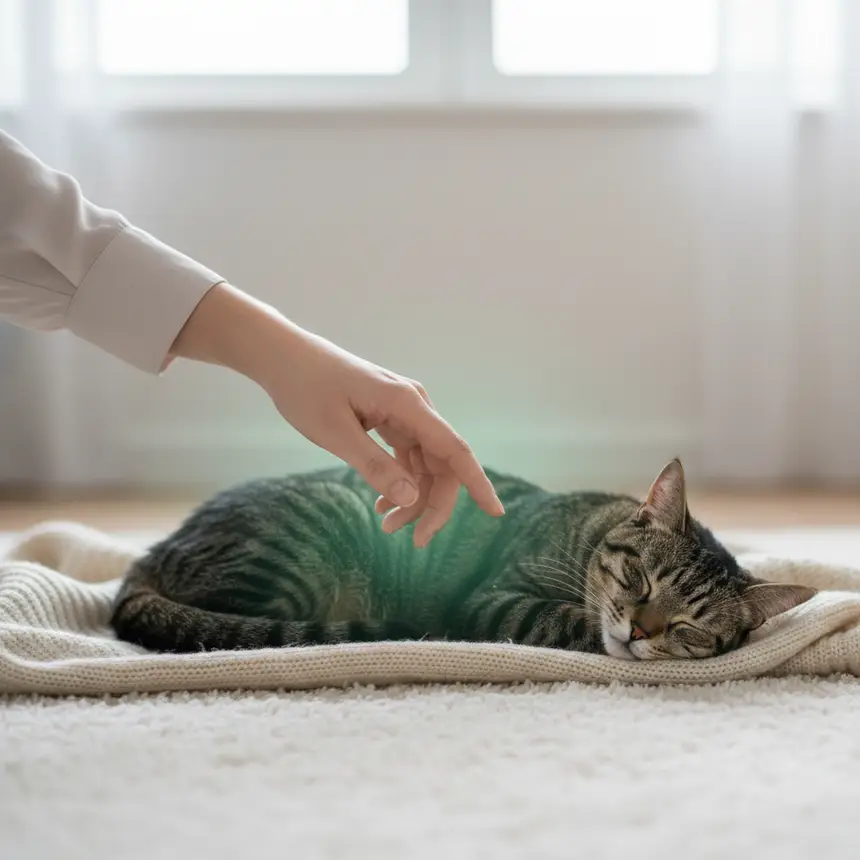
Managing your cat's heart health involves not only veterinary diagnosis but also your keen observation as a pet parent. Here are some ways you can help support your cat's heart health at home: Firstly, make 'respiratory rate monitoring' a regular habit. While your cat is comfortably sleeping or resting, count how many times their chest rises and falls in one minute. If the rate is consistently much faster than usual or exceeds 30 breaths per minute, it's time to consult a professional. Secondly, 'adjust playtime'. Ensure your cat doesn't overexert themselves during play. Moderate the intensity and duration of play sessions to prevent excessive excitement or fatigue. Thirdly, 'stress management' is crucial. Cats are highly susceptible to stress, which can burden their heart. Provide a stable, predictable environment, create safe hiding spots, and ensure they feel comfortable and secure. Fourthly, 'regular health check-ups' are vital. Even without obvious symptoms, routine veterinary visits are essential to assess overall health, including cardiac function. This is especially important for breeds prone to heart conditions or senior cats.

H2. Your Vigilant Observation Protects Your Cat's Healthy Life
Cats are incredibly adept at hiding their discomfort. Therefore, your meticulous attention and keen observation become the most powerful tools in safeguarding your cat's well-being. If you notice any subtle changes in breathing patterns or unusual behaviors, as mentioned previously, never dismiss them. It's crucial to promptly visit your veterinarian for a professional consultation and examination. Early detection and appropriate management play a decisive role in significantly improving your cat's quality of life and maintaining their comfortable daily routine. Let's provide our precious feline companions with deeper love and attention starting today, ensuring they can enjoy many healthy and happy years by our side.
Frequently Asked Questions
Q. Why do cats hide their illness so well?
A. Cats have a strong instinct to conceal any signs of weakness due to their survival instincts in the wild. This behavior helps protect them from predators, and they tend to hide pain or discomfort. Pet owners must, therefore, pay close attention to subtle behavioral changes.
Q. What is a normal respiratory rate for cats?
A. A normal respiratory rate for a cat at rest or asleep is approximately 15-30 breaths per minute. If you notice your cat breathing significantly faster or struggling to breathe, it's advisable to seek veterinary attention.
Q. Besides open-mouth breathing, what are other signs of heart problems in cats?
A. Other signs can include decreased activity, easy fatigue, loss of appetite, weight loss, hind limb paralysis, or sudden lethargy. If you observe any of these changes, consulting your veterinarian is important.
Q. What can I do at home to support my cat's heart health?
A. At home, you can monitor their respiratory rate regularly, ensure appropriate playtime that doesn't lead to overexertion, provide a stress-free and stable environment, and most importantly, ensure they receive regular veterinary check-ups to monitor their overall health.
Q. How should feline heart disease be managed?
A. Management of feline heart disease focuses more on control rather than a cure. Based on your veterinarian's diagnosis, a personalized management plan is crucial to slow the disease's progression, prevent complications, and improve your cat's quality of life. Regular check-ups and consistent follow-through on professional guidance are key.