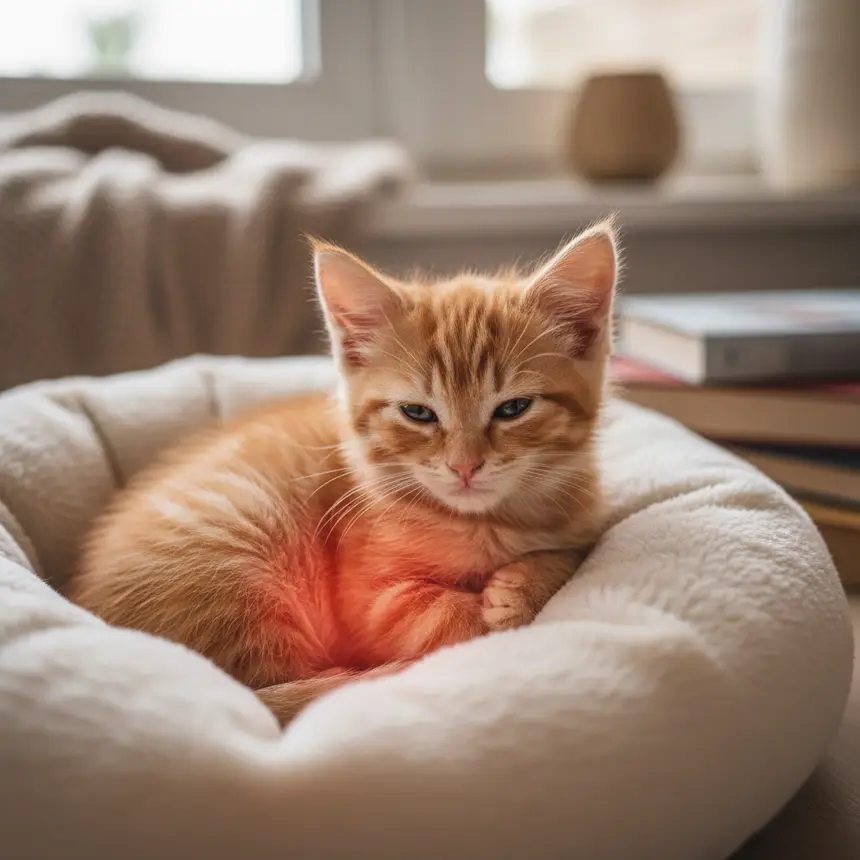
Feline urinary health requires consistent attention and management. Discover effective hydration strategies and nutritional support methods for picky cats to maintain their well-being.
Includes information on the importance of veterinary consultation for specific symptoms and types of cats needing urinary health care.
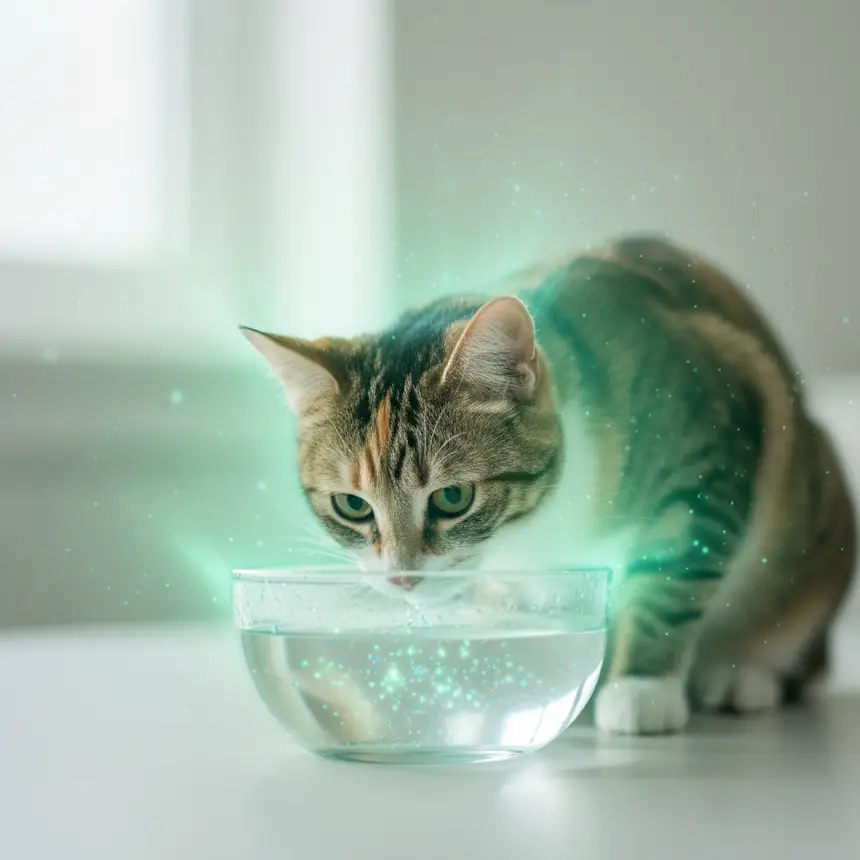
Prioritizing Feline Urinary Health for Your Cat's Vitality
A healthy life for your beloved cat begins with careful observation from a dedicated pet parent. Feline urinary health, in particular, significantly impacts their overall quality of life, making consistent attention essential. If you've noticed your cat visiting the litter box more frequently than usual, or if their water intake seems to have decreased, these could be early warning signs for potential urinary issues. Detecting these changes promptly and responding appropriately is crucial for ensuring your cat continues to live a comfortable and vibrant life. Effective hydration management and targeted nutritional support play key roles in safeguarding your cat's urinary well-being, and it's always best to proactively manage these aspects.
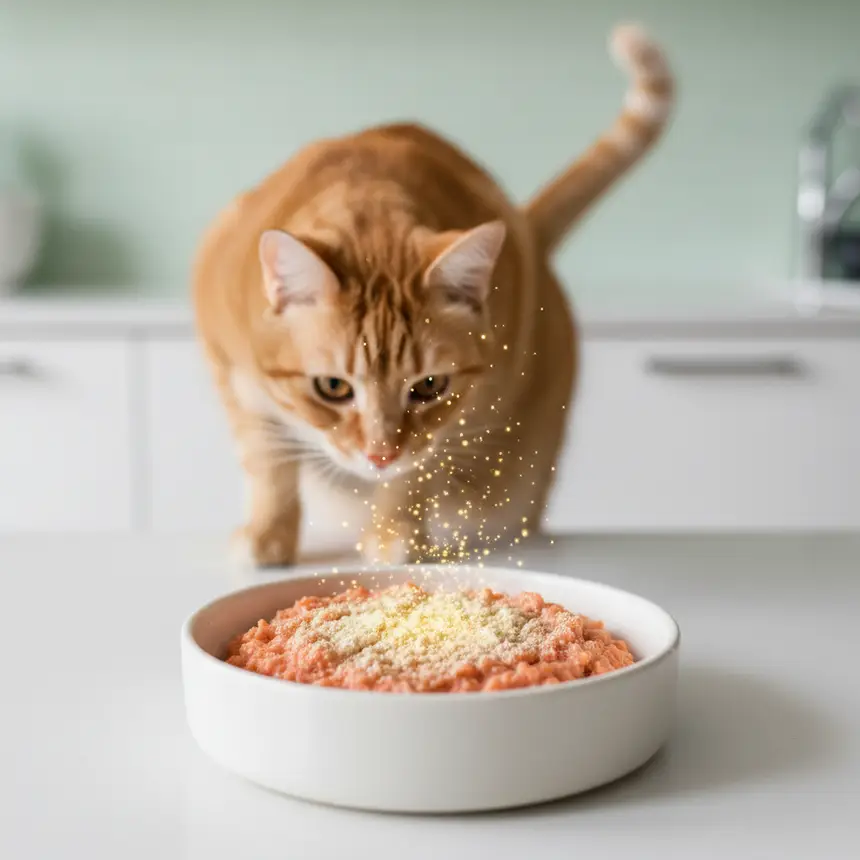
Enhancing Hydration and Dietary Choices for Optimal Urinary Support
One of the most critical strategies for supporting your cat's urinary health is ensuring adequate water intake. Cats are not naturally keen drinkers, requiring proactive effort from pet parents. Consider implementing these practical methods:
By adopting these strategies, you can effectively boost your cat's fluid intake and supplement essential nutrients, thus proactively managing their urinary health.
- Provide a variety of water sources: Place multiple water bowls around your home, varying their materials or shapes. Investing in a feline water fountain can also be beneficial, as many cats prefer running water.
- Incorporate wet food: Feeding wet food, either exclusively or mixed with dry kibble, significantly increases fluid intake. You can also add a small amount of lukewarm water to their dry food.
- Dietary nutritional support: Beyond a balanced staple diet, consider nutritional supplements formulated to support urinary tract health. For picky eaters, palatability is paramount. Powdered supplements that can be easily mixed into wet food offer convenience, while individually packaged stick portions ensure hygiene and precise dosing.
By adopting these strategies, you can effectively boost your cat's fluid intake and supplement essential nutrients, thus proactively managing their urinary health.
※ This post contains affiliate links. I may earn a commission at no extra cost to you.

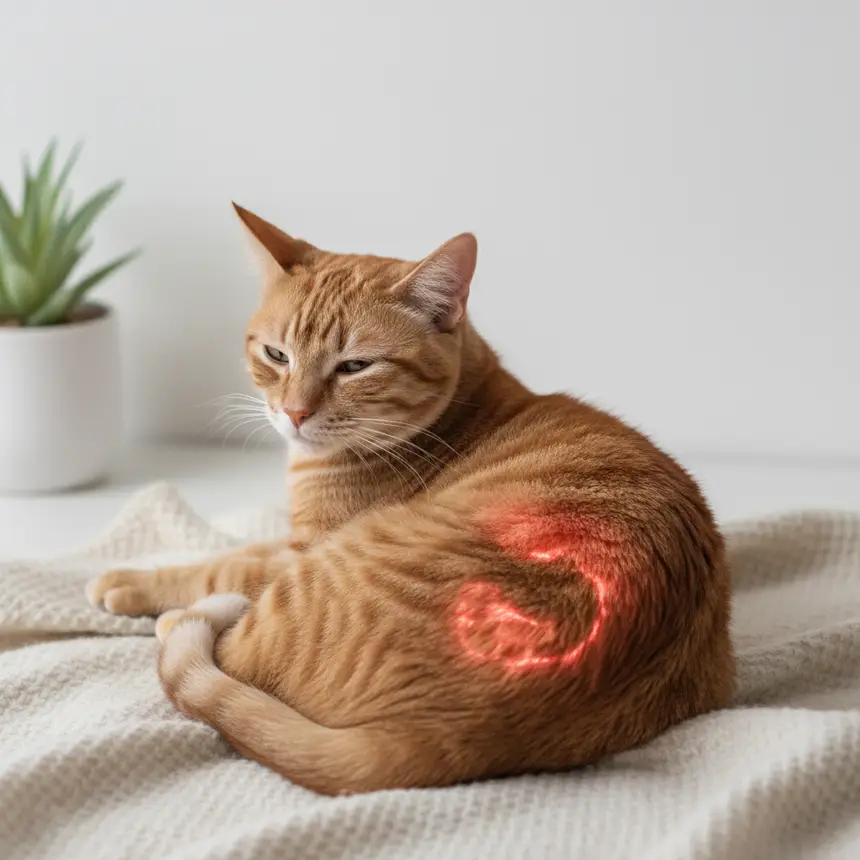
Important Precautions and Candidates for Urinary Health Management
While diligent efforts in managing your cat's urinary health are vital, nutritional supplements or dietary adjustments alone cannot resolve all issues. If your cat exhibits any of the following symptoms, immediate veterinary consultation is imperative:
These signs can indicate serious underlying health conditions beyond simple discomfort. Cats that particularly benefit from attentive urinary health management include senior cats, those with a history of urinary problems, felines with consistently low water intake, or picky eaters who may not receive adequate nutrients from their regular diet. Maintain continuous vigilance over your cat's health through routine observation and a proactive approach.
- Significantly increased frequency of litter box visits, or straining to urinate without producing urine.
- Appearing to experience discomfort or pain while attempting to urinate.
- Abnormal changes in urine color or odor, or the presence of blood in urine.
- General decline in health, such as loss of appetite or lethargy.
These signs can indicate serious underlying health conditions beyond simple discomfort. Cats that particularly benefit from attentive urinary health management include senior cats, those with a history of urinary problems, felines with consistently low water intake, or picky eaters who may not receive adequate nutrients from their regular diet. Maintain continuous vigilance over your cat's health through routine observation and a proactive approach.
Frequently Asked Questions
Q. What can I do if my cat doesn't drink enough water?
A. If your cat isn't drinking enough water, try placing multiple water bowls in different locations around the house and experiment with various bowl materials or shapes. A cat-specific water fountain can also encourage drinking. Additionally, increase the proportion of wet food in their diet or add a small amount of lukewarm water to their dry kibble.
Q. Which cats might benefit from urinary health supplements?
A. Generally, cats with a hereditary predisposition to urinary issues, older cats with weakened immune systems, those with consistently low water intake, or cats sensitive to stress may benefit from urinary health supplements. However, it's always safest to consult with your veterinarian before introducing any new product.
Q. What should I do if my cat's litter box habits suddenly change?
A. If your cat suddenly starts visiting the litter box much more frequently, appears to be straining to urinate, or begins urinating outside the litter box, you must seek immediate veterinary attention. These behavioral changes can be significant indicators of urinary problems or other underlying health issues.