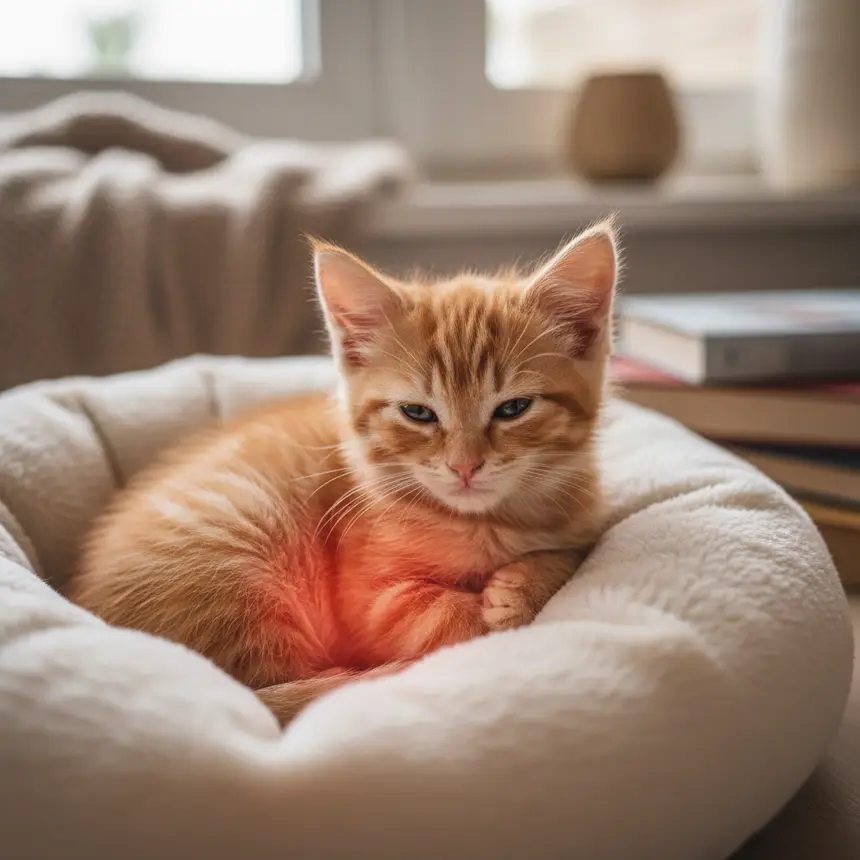
Cat coughing and sneezing can be more than just a nuisance; they're often vital signals about your feline friend's health. Learn to identify potential causes and implement effective home care strategies to support your cat's well-being.

Persistent Cat Coughing and Sneezing: A Cause for Concern?
Frequent coughing and sneezing in your feline companion can be a source of significant worry for any pet owner. Initially, many might dismiss these symptoms, attributing them to hairballs or common household dust. However, when these episodes become repetitive over days or weeks, or if they intensify, it's a clear indication that the issue extends beyond mere discomfort and points to potential health concerns. Observing your cat's distress can leave you feeling helpless and anxious about the right course of action. In such situations, it's crucial to meticulously observe and document the frequency, severity, and any other accompanying changes in your cat's behavior or physical condition.

Unraveling the Hidden Causes of Feline Respiratory Issues: From Environment to Infection
Feline coughing and sneezing can stem from a variety of factors. While environmental elements like dry indoor air, dust, or pollen allergies are common culprits, more serious underlying health problems might be at play. Viral infections, in particular, are a prevalent cause of respiratory ailments in cats. Certain viruses, once contracted, can remain dormant within the cat's system even after visible symptoms subside. They may then reactivate during periods of weakened immunity, triggering a recurrence of coughing, sneezing, nasal discharge, and eye discharge. Therefore, if symptoms persist or worsen, a veterinary visit for an accurate diagnosis is essential. Identifying the precise cause through a professional examination by a veterinarian is the critical first step in safeguarding your cat's health and establishing an appropriate management plan.
※ This post contains affiliate links. I may earn a commission at no extra cost to you.


Practical Strategies for Everyday Respiratory Health in Cats
To alleviate your cat's coughing and sneezing and bolster its respiratory health, a multi-faceted approach is necessary. Consistent home care, alongside any prescribed medications, forms the cornerstone of effective management.
1. Balanced Nutritional Support: A strong immune system is foundational for managing any health condition. Consider supplements containing specific amino acids (e.g., L-lysine), colostrum, or antioxidants (e.g., Coenzyme Q10), which can contribute to overall immune system enhancement. Always consult with your veterinarian before introducing any supplements. Providing fresh, balanced cat food is also crucial for building a robust baseline health.
2. Maintaining a Pristine Indoor Environment: Dry, dusty environments are detrimental to a cat's respiratory system. Maintain appropriate humidity levels (40-60%) and minimize airborne dust or allergens through regular ventilation and cleaning. Using an air purifier can also be beneficial. Furthermore, identify and remove stressors that might impact your cat, fostering a sense of psychological well-being.
3. Encouraging Ample Hydration: Adequate water intake helps keep mucous membranes moist and aids in flushing out bodily waste. To encourage your cat to drink more, place multiple water bowls around your home, or consider offering wet food or moistening dry kibble.
1. Balanced Nutritional Support: A strong immune system is foundational for managing any health condition. Consider supplements containing specific amino acids (e.g., L-lysine), colostrum, or antioxidants (e.g., Coenzyme Q10), which can contribute to overall immune system enhancement. Always consult with your veterinarian before introducing any supplements. Providing fresh, balanced cat food is also crucial for building a robust baseline health.
2. Maintaining a Pristine Indoor Environment: Dry, dusty environments are detrimental to a cat's respiratory system. Maintain appropriate humidity levels (40-60%) and minimize airborne dust or allergens through regular ventilation and cleaning. Using an air purifier can also be beneficial. Furthermore, identify and remove stressors that might impact your cat, fostering a sense of psychological well-being.
3. Encouraging Ample Hydration: Adequate water intake helps keep mucous membranes moist and aids in flushing out bodily waste. To encourage your cat to drink more, place multiple water bowls around your home, or consider offering wet food or moistening dry kibble.

Nurturing Your Cat's Health Through Consistent Care and Attention
Managing your cat's coughing and sneezing requires a long-term perspective, not just a quick fix. Instead of solely focusing on temporary symptom relief, it's vital to strengthen their immune system and maintain healthy lifestyle habits to prevent recurrence. This approach necessitates persistent effort and dedicated attention from pet owners. Make it a habit to observe and meticulously record your cat's activity levels, appetite, and litter box habits daily, noting even the smallest changes. Such records provide invaluable information during veterinary consultations. Additionally, adhering to vaccination schedules and regular health check-ups are essential for early detection and intervention of any underlying issues. With your careful nurturing, your cats can enjoy healthier and happier lives.
Frequently Asked Questions
Q. What should be my first step if my cat starts coughing or sneezing frequently?
A. Your primary action should be to carefully observe and record your cat's symptoms (frequency, sound, accompanying signs) and then promptly schedule a visit to your veterinarian for an accurate diagnosis.
Q. What nutritional components are beneficial for my cat's respiratory health?
A. Nutrients such as L-lysine, colostrum, Vitamin C, Omega-3 fatty acids, and antioxidants (e.g., Coenzyme Q10) are known to positively impact a cat's immunity and respiratory health. However, always consult your veterinarian to choose appropriate supplements.
Q. How can I manage my home environment to support my cat's respiratory well-being?
A. Maintaining adequate indoor humidity (40-60%), regular ventilation and cleaning to reduce dust, using an air purifier, and minimizing stressors are effective environmental management strategies for your cat's respiratory health.
Q. What precautions should I take if my cat's coughing and sneezing persist?
A. If symptoms recur, it's crucial to manage the underlying causes by strengthening immunity and maintaining healthy lifestyle habits, rather than relying solely on temporary medication. Additionally, regular health check-ups are essential for early detection of any dormant issues.