Concerned about your dog's diarrhea? Focus on gut health management. Discover effective strategies for choosing probiotic supplements, practical daily implementation tips, and key secrets to supporting your pet's digestive health for stable digestion and increased vitality.

Foundations of Vitality: Achieving Stable Digestion Through Gut Health
Witnessing your beloved pet suffer from sudden digestive upset or episodes of dog diarrhea can be deeply concerning for any owner. Even with careful selection of food and treats, unexpected changes in bowel movements can be alarming. It's crucial to understand that these symptoms are more than just temporary discomfort; they are directly linked to your pet's overall vitality. A healthy gut is fundamental for optimal nutrient absorption, a robust immune system, and ultimately, a happy, energetic life for your companion. Therefore, the focus should shift from merely suppressing symptoms to a holistic approach of gut health management, aiming for fundamental improvement in the intestinal environment. Proactive gut care not only alleviates immediate issues but also profoundly enhances your pet's long-term well-being and quality of life.
Informed Choices: Selecting Effective Gut Health Supplements
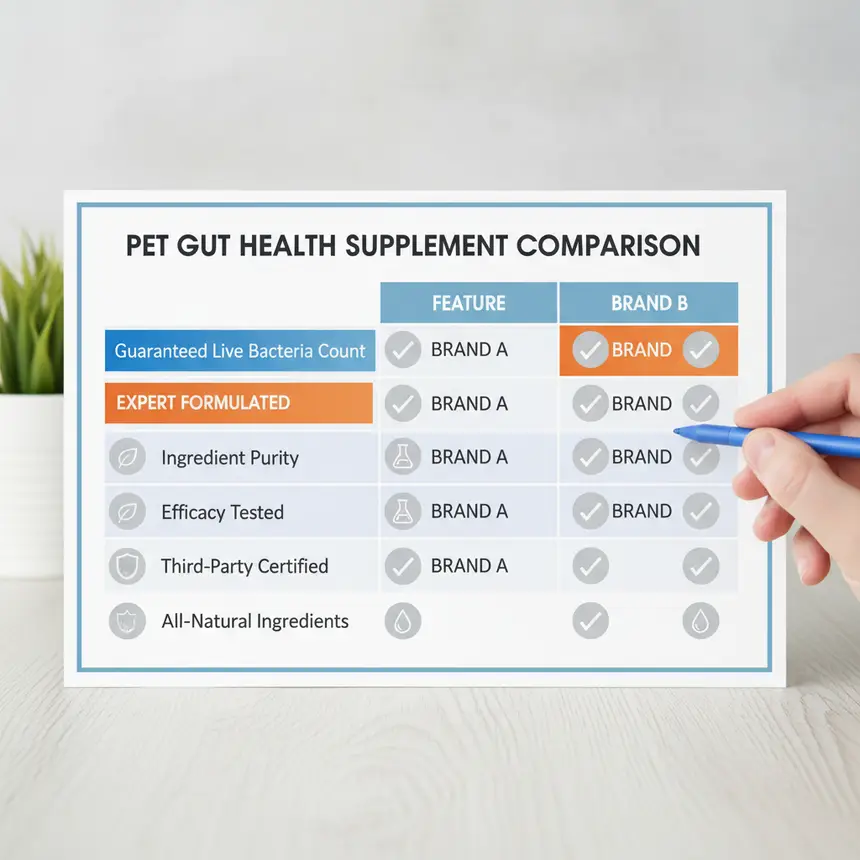
When considering digestive support supplements for your pet's gut health management, it's wise to look beyond marketing claims and focus on criteria that indicate genuine efficacy. Firstly, prioritize supplements with a guaranteed live bacterial count and proven activity. Many products boast high numbers, but the true measure lies in how many beneficial bacteria survive the digestive tract to function effectively. This is a critical indicator of a product's value. Secondly, evaluate if the supplement is backed by expert research and veterinary insight. Products developed with the input of veterinary professionals are more likely to be tailored to pets' specific gut physiology, offering more targeted support. Thirdly, scrutinize the ingredient list for purity. Opt for formulations free from artificial colors, flavors, sweeteners, and preservatives, ensuring a gentle yet effective solution for consistent use. Lastly, supplements that have undergone real-world feeding tests on pets, demonstrating improvements in stool quality and vitality, provide an added layer of confidence. Making an informed choice based on these objective data points can make a significant difference in addressing issues like dog diarrhea and fostering better digestive health.
※ This post contains affiliate links. I may earn a commission at no extra cost to you.

Integrating Gut Health Care into Daily Routines
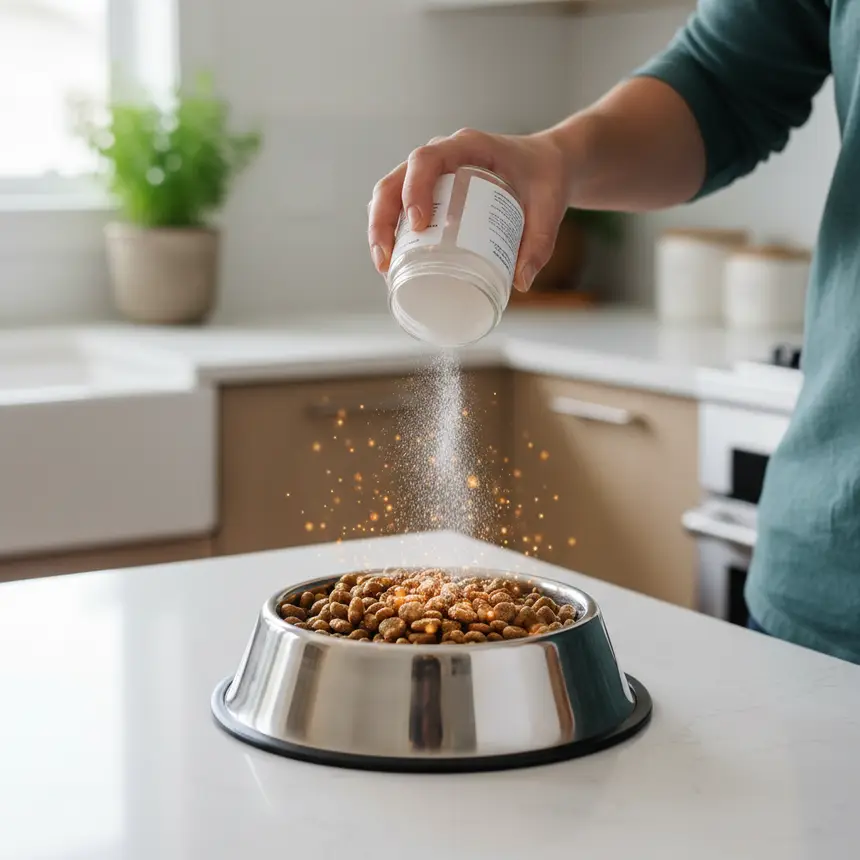
Effectively managing your pet's gut health means seamlessly incorporating supportive practices into their daily life. The most straightforward approach is consistent supplementation. Most gut health aids are designed to be easily mixed into your pet's regular food or treats, making administration simple. If the supplement comes in a capsule, you can often open it and sprinkle the powder over their meal. For pets new to supplements, starting with a small amount and gradually increasing it can help prevent reluctance. Equally important to consistent feeding is proper storage. Beneficial bacteria are sensitive to moisture and air, which can diminish their activity. Ensure the product's packaging is designed to protect its contents from environmental factors, and store it in a cool, dry place as recommended. These consistent and correct practices in both feeding and storage are vital for maintaining a stable intestinal environment and reducing the risk of digestive issues such as dog diarrhea. Aim to administer supplements around the same time each day to establish a predictable routine.

Who Benefits Most from Proactive Gut Health Management?
Gut health management is beneficial for all pets, but certain individuals require more focused attention. Pets with sensitive digestive systems, those prone to dog diarrhea when stressed or experiencing dietary changes, can significantly benefit from consistent gut support. Additionally, growing puppies and senior dogs often have evolving immune systems and nutrient absorption needs, making robust gut health particularly critical for them. A healthy gut is a cornerstone of the immune system, directly influencing resistance to environmental challenges. If your pet's bowel issues persist abnormally, or if accompanied by other symptoms like lethargy or loss of appetite, it's crucial to consult a veterinarian for an accurate diagnosis and appropriate action, beyond just giving supplements. Remember, investing in their gut health is a long-term commitment that empowers your pet to live a healthier, more vibrant life.
Frequently Asked Questions
Q. What are the primary reasons for giving a pet a probiotic supplement?
A. Probiotics for pets aid in digestion, enhance nutrient absorption, and help maintain a balanced immune system. They can be particularly helpful for issues like indigestion, irregular bowel movements, or episodes of **dog diarrhea**, by improving the gut environment and supporting overall digestive wellness.
Q. What is the most important factor to consider when choosing a probiotic supplement?
A. The most crucial factors are the 'guaranteed live bacterial count' and the ability of the beneficial bacteria to survive and become active in the gut. Additionally, consider if the product is made with pure ingredients, free from artificial additives, and if its effectiveness has been validated through pet-specific feeding tests.
Q. How long does it take to see effects from pet gut health supplements?
A. The onset of effects can vary depending on the individual pet, their existing gut health, and the specific product. Generally, consistent use over several weeks to a few months is required to observe gradual changes. Consistent **gut health management** is key to long-term benefits.
Q. Are there any precautions when giving probiotic supplements to pets?
A. Most supplements are safe, but it's advisable to start with a small amount when introducing a new product and monitor your pet's reaction. If adverse reactions like vomiting or diarrhea occur, discontinue use and consult a veterinarian. Pets with pre-existing conditions or those on medication should always have their supplement regimen approved by a vet.