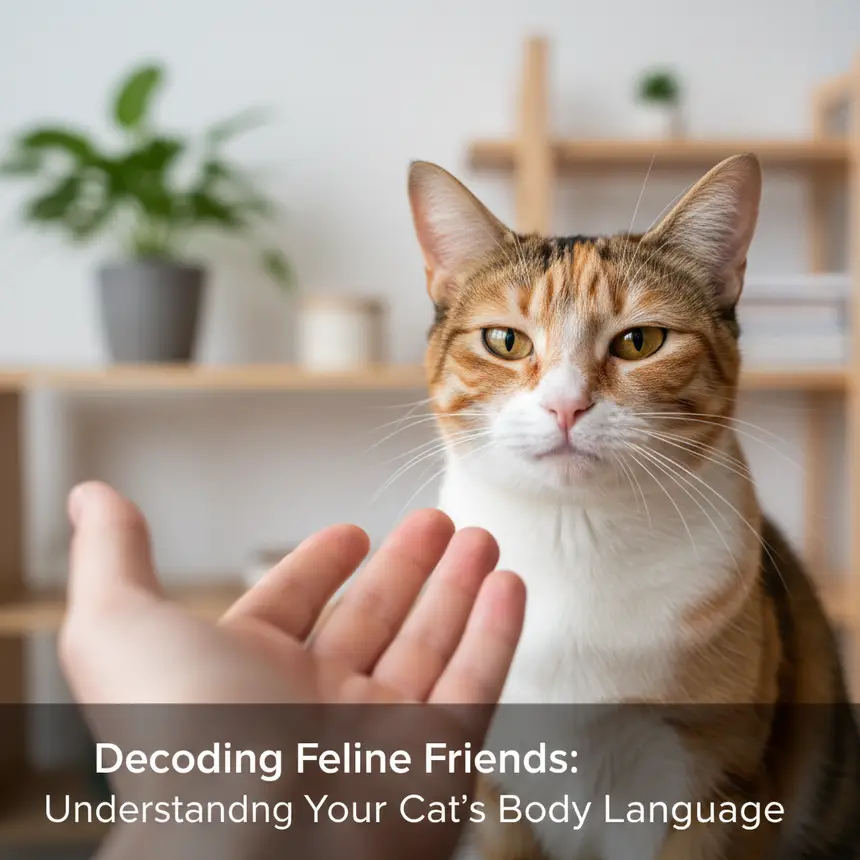
Feline Infectious Peritonitis (FIP) presents with diverse symptoms, demanding keen observation from pet parents. From neurological signs to anemia and ascites, learn how to recognize early warning signals and respond effectively for your cat's well-being.

The Importance of Early Recognition of Diverse Feline Infectious Peritonitis Symptoms
Understanding your cat's health is paramount to ensuring their well-being and a high quality of life. Complex health challenges, such as Feline Infectious Peritonitis (FIP), can manifest in numerous ways, requiring attentive observation from pet parents. Recognizing non-specific FIP symptoms early and seeking prompt professional veterinary guidance significantly enhances the potential for managing your cat's condition more effectively and maintaining stability. For instance, sudden cat neurological signs or behavioral shifts should never be dismissed as mere stress; they can signal deeper internal issues. Early detection of these changes allows for timely intervention, potentially reducing discomfort and enabling the establishment of a supportive care plan so your feline companion can enjoy a comfortable and happy daily life. Even when FIP is a concern, a swift and precise approach can yield positive impacts for both you and your cat.

Atypical FIP Manifestations and Diagnostic Indicators in Cats
The presentation of FIP symptoms is remarkably diverse, making it challenging to pinpoint the condition based on a single sign. For example, some cats may exhibit unusual cat neurological signs, such as seizures, convulsions, incoordination, or head tremors. Ocular inflammation, appearing as corneal cloudiness or uveitis, can also be present. Furthermore, common systemic indicators like a distended abdomen due to fluid accumulation (ascites), loss of appetite, diarrhea, or general lethargy are often observed.
Veterinary diagnostics involve a comprehensive evaluation of these varied signs. Blood tests may reveal characteristic changes like elevated liver enzyme levels, increased ammonia concentrations in the blood, and a significantly low albumin-to-globulin (A/G) ratio—sometimes as low as 0.32. Anemia, with packed cell volume readings around 15%, might also be noted. Imaging studies, including X-rays and ultrasound, help identify fluid accumulation within the abdominal cavity, providing crucial diagnostic clues. A holistic interpretation of these multiple findings is essential for gaining a thorough understanding of the cat's health status.
Veterinary diagnostics involve a comprehensive evaluation of these varied signs. Blood tests may reveal characteristic changes like elevated liver enzyme levels, increased ammonia concentrations in the blood, and a significantly low albumin-to-globulin (A/G) ratio—sometimes as low as 0.32. Anemia, with packed cell volume readings around 15%, might also be noted. Imaging studies, including X-rays and ultrasound, help identify fluid accumulation within the abdominal cavity, providing crucial diagnostic clues. A holistic interpretation of these multiple findings is essential for gaining a thorough understanding of the cat's health status.
※ This post contains affiliate links. I may earn a commission at no extra cost to you.


Practical Steps for Pet Parents When Noticing Unusual Symptoms in Cats
If your feline friend displays changes reminiscent of FIP symptoms, there are several practical steps you, as a pet parent, should consider. First, cultivate a habit of closely observing and documenting your cat's behavioral shifts. It’s crucial to record specific details: when and what symptoms appeared, any changes in food intake or activity levels. This meticulous record-keeping is invaluable for providing your veterinarian with accurate information. Second, if suspicious signs emerge, do not delay; schedule an immediate visit to your veterinary clinic for a professional consultation. Be prepared that the initial examination might involve various diagnostic procedures beyond a basic physical check-up, such as blood tests and imaging (X-rays, ultrasound). Third, it's vital to consistently follow your veterinarian's recommendations for any necessary follow-up tests or ongoing care. This proactive approach is fundamental for accurately assessing your cat's health and exploring the most suitable management strategies.

Cat Health Care Precautions and Recommendations for Prompt Veterinary Assessment
For complex conditions like FIP, it is crucial to avoid self-diagnosis or relying on unverified home remedies. Unsubstantiated information can worsen your cat's condition or lead to missed opportunities for appropriate intervention. Always consult with a qualified veterinarian to establish an accurate diagnosis and a tailored care plan. Furthermore, because these conditions can progress rapidly, even subtle changes should be noted and not dismissed. Young cats, whose immune systems are still developing, can be particularly vulnerable, making diligent observation even more critical for owners of kittens and adolescent felines. Prompt veterinary evaluation is highly recommended for any cat exhibiting symptoms such as appetite loss, weight decrease, reduced vitality, and especially cat neurological signs like seizures. Your continuous attention and professional veterinary advice are decisive factors in safeguarding your cat's health.
Frequently Asked Questions
Q. Should I suspect FIP if my cat has seizures?
A. Seizures are a neurological symptom that can arise from various underlying causes. While FIP can indeed be one of these causes, it's difficult to conclude FIP based solely on seizures. It's crucial to observe if other symptoms accompany the seizures and to seek immediate veterinary attention.
Q. Is FIP more common in young cats?
A. Yes, FIP tends to be diagnosed more frequently in younger cats, particularly those under two years of age. Their developing immune systems and susceptibility to stress can make them more vulnerable.
Q. What tests are typically involved in diagnosing FIP?
A. Diagnosing FIP usually involves a comprehensive evaluation rather than a single test. This includes blood tests (checking A/G ratio, liver enzymes, anemia, etc.), imaging (X-rays, ultrasound to detect fluid), and an overall assessment of clinical signs. In some cases, fluid analysis from the abdomen might also be performed.
Q. Can a cat's loss of appetite and lethargy be signs of FIP?
A. Yes, loss of appetite and lethargy are non-specific symptoms that can occur with FIP, as well as many other illnesses. If these symptoms persist or appear alongside other unusual signs, it's essential to consult your veterinarian to determine the precise cause.