Joint health is crucial for your dog's active life. Discover how to support your canine's joints with proper protein intake and lifestyle adjustments for long-term well-being. From early sign detection to nutrition, environment, and habit improvements, get a comprehensive guide to joint care.
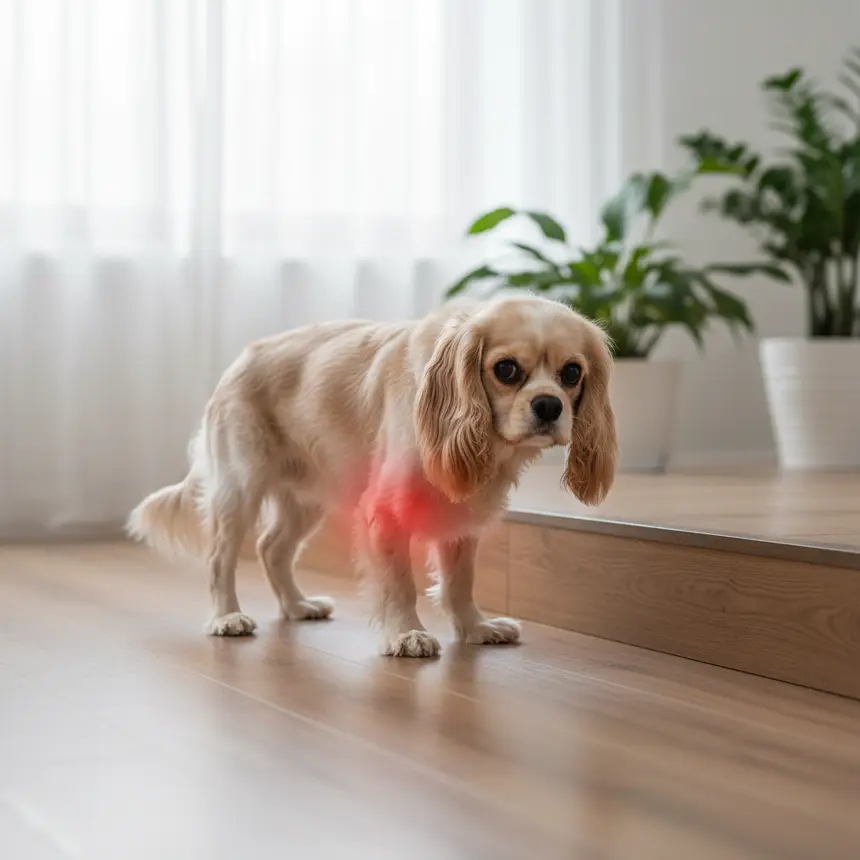
Don't Miss the Subtle Signs of Your Dog's Discomfort
If your beloved canine companion seems less active or reluctant to engage in certain movements, it's time to pay close attention to their joint health. These changes might begin subtly. For instance, your dog may hesitate before jumping onto a bed or sofa, take longer breaks during walks, or exhibit an unusual gait that suggests discomfort. Such alterations can be crucial indicators that their joints are under strain. Breeds known for high activity levels or senior dogs require even more diligent observation. Joint issues can lead to pain and significantly diminish their overall quality of life, making early intervention critical. This is why proper nutritional management, including adequate canine protein intake, plays such a vital role.
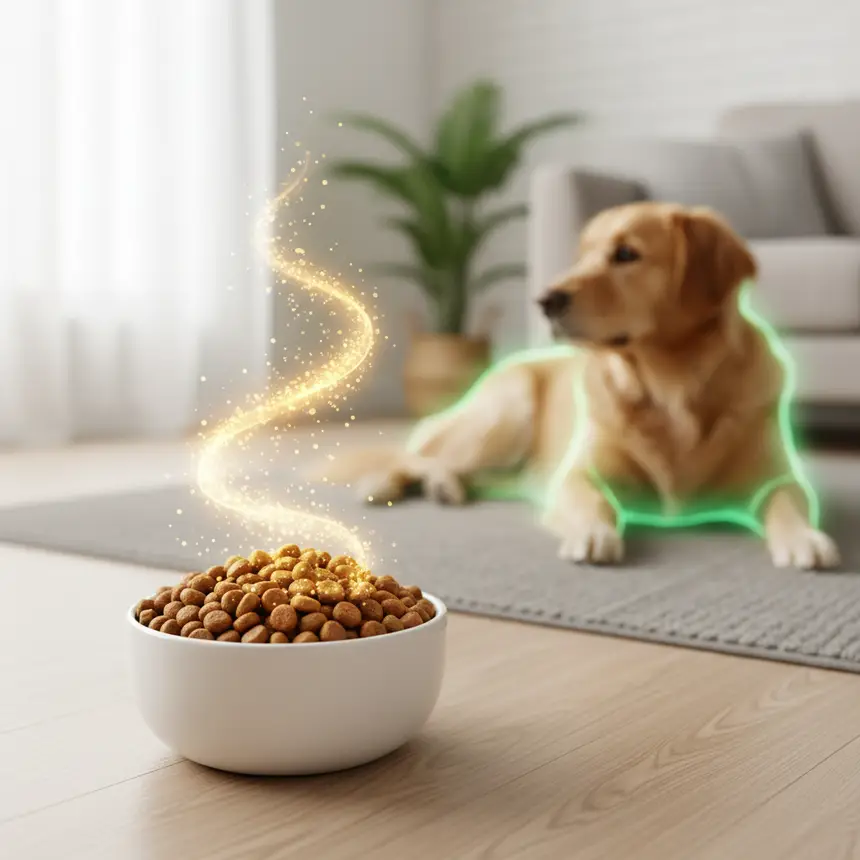
A Comprehensive Strategy for Joint Wellness: Nutrition, Environment, and Habits
Safeguarding your dog's joint health requires more than just one or two isolated actions; it demands a holistic approach encompassing proper nutrition, an optimized living environment, and the establishment of beneficial habits.
1. Supply Key Nutrients: Essential canine protein and nutrients are crucial for building joint cartilage and surrounding tissues. Components like collagen, glucosamine, chondroitin, and hyaluronic acid precursors can help maintain cartilage elasticity and support the production of synovial fluid. It's particularly important to consistently provide high-quality, easily digestible protein to supply the necessary amino acids for cartilage formation. Focusing on joint-specific nutrients in addition to general protein quantity can be more effective.
2. Create a Safe Living Environment: Slippery floors and stairs can place significant stress on your dog's joints. Install non-slip mats on hard surfaces and provide ramps or steps for beds and sofas to prevent impacts from jumping. This is an essential preventative measure for conditions like patellar luxation and arthritis, especially in small breeds and older dogs.
3. Maintain Proper Lifestyle Habits: Discourage behaviors such as jumping and standing on hind legs, as these can strain the joints. Additionally, overgrown paw pad hair can reduce traction and cause slips, so regular trimming is necessary. Keep nails trimmed to an appropriate length to ensure comfortable gait and prevent uneven weight distribution.
4. The Importance of Weight Management: Maintaining an ideal body weight is one of the most fundamental ways to reduce joint stress. Excess weight places undue pressure on joints, exacerbating pain and accelerating joint degeneration. Diligent weight control through measured food portions and healthy treats is central to your dog's long-term joint well-being.
1. Supply Key Nutrients: Essential canine protein and nutrients are crucial for building joint cartilage and surrounding tissues. Components like collagen, glucosamine, chondroitin, and hyaluronic acid precursors can help maintain cartilage elasticity and support the production of synovial fluid. It's particularly important to consistently provide high-quality, easily digestible protein to supply the necessary amino acids for cartilage formation. Focusing on joint-specific nutrients in addition to general protein quantity can be more effective.
2. Create a Safe Living Environment: Slippery floors and stairs can place significant stress on your dog's joints. Install non-slip mats on hard surfaces and provide ramps or steps for beds and sofas to prevent impacts from jumping. This is an essential preventative measure for conditions like patellar luxation and arthritis, especially in small breeds and older dogs.
3. Maintain Proper Lifestyle Habits: Discourage behaviors such as jumping and standing on hind legs, as these can strain the joints. Additionally, overgrown paw pad hair can reduce traction and cause slips, so regular trimming is necessary. Keep nails trimmed to an appropriate length to ensure comfortable gait and prevent uneven weight distribution.
4. The Importance of Weight Management: Maintaining an ideal body weight is one of the most fundamental ways to reduce joint stress. Excess weight places undue pressure on joints, exacerbating pain and accelerating joint degeneration. Diligent weight control through measured food portions and healthy treats is central to your dog's long-term joint well-being.
※ This post contains affiliate links. I may earn a commission at no extra cost to you.

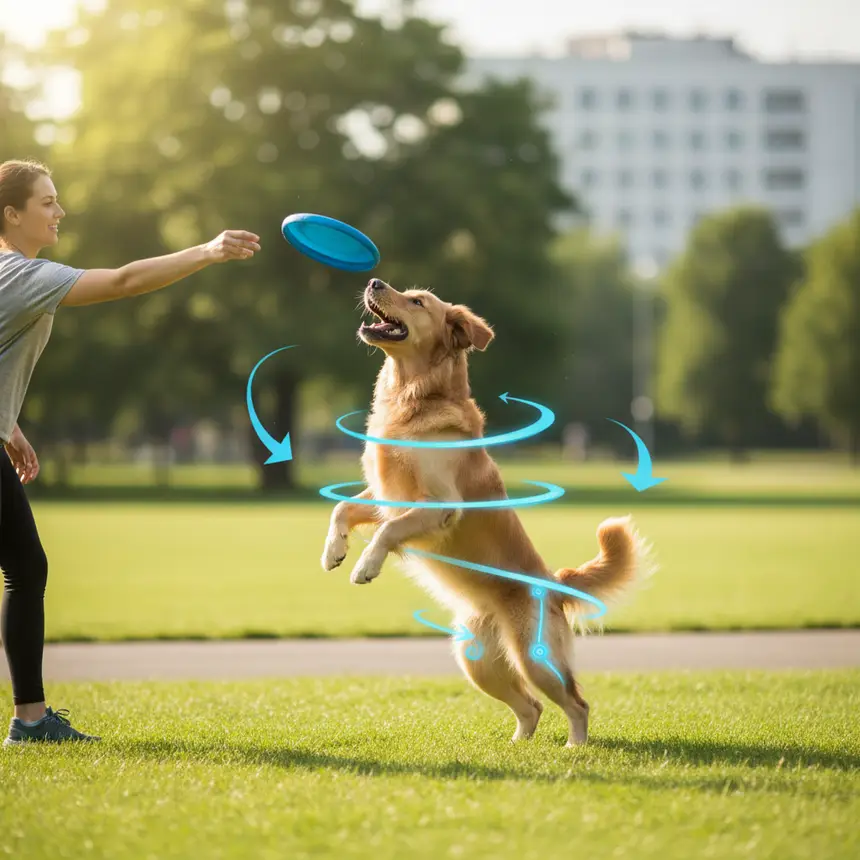
Restore Your Dog's Vitality Through Consistent Care and Keen Observation
When it comes to your dog's joint health, consistent and sustained care outweighs short-term efforts. The integrated approach mentioned earlier—nutritional management, environmental adjustments, and lifestyle modifications—works synergistically to support your dog's joint well-being. Specifically, adequate canine protein intake provides the foundational building blocks for joint tissue repair and strengthening, which, when combined with appropriate exercise and weight management, creates a powerful synergy.
Observing your dog's changes meticulously is paramount. Continuously monitor for positive signs, such as increased activity levels, smoother movements, or a reduction in pain signals. If joint discomfort persists or worsens, it is always wise to consult with a professional to receive an accurate diagnosis and develop a personalized management plan. Through consistent effort and love, you can help your dog regain their vibrant zest for life. Your small, consistent actions can significantly enhance your canine companion's quality of life.
Observing your dog's changes meticulously is paramount. Continuously monitor for positive signs, such as increased activity levels, smoother movements, or a reduction in pain signals. If joint discomfort persists or worsens, it is always wise to consult with a professional to receive an accurate diagnosis and develop a personalized management plan. Through consistent effort and love, you can help your dog regain their vibrant zest for life. Your small, consistent actions can significantly enhance your canine companion's quality of life.
Frequently Asked Questions
Q. What type of protein is best for dog joint health?
A. Proteins like collagen and elastin, which are crucial components of joint cartilage and surrounding tissues, are beneficial. Additionally, high-quality protein sources rich in essential amino acids needed for the synthesis of these proteins are important.
Q. My dog seems to be developing joint issues as they age. What steps should I take?
A. Joint degeneration can naturally occur in senior dogs. Consider installing non-slip mats, providing low-height sleeping areas, introducing joint support supplements, and ensuring regular weight management. Consulting a professional for a personalized care plan is recommended.
Q. Does paw pad hair grooming affect my dog's joint health?
A. Yes, long paw pad hair can cause your dog to slip on indoor flooring or other slick surfaces, putting strain on their joints. Regularly trimming the hair around the paw pads helps improve traction.
Q. How does being overweight affect my dog's joints?
A. Overweight dogs put excessive pressure on their joints, accelerating cartilage damage and causing pain. This increases the risk of various joint conditions like patellar luxation and hip dysplasia, making maintaining an ideal weight extremely important.