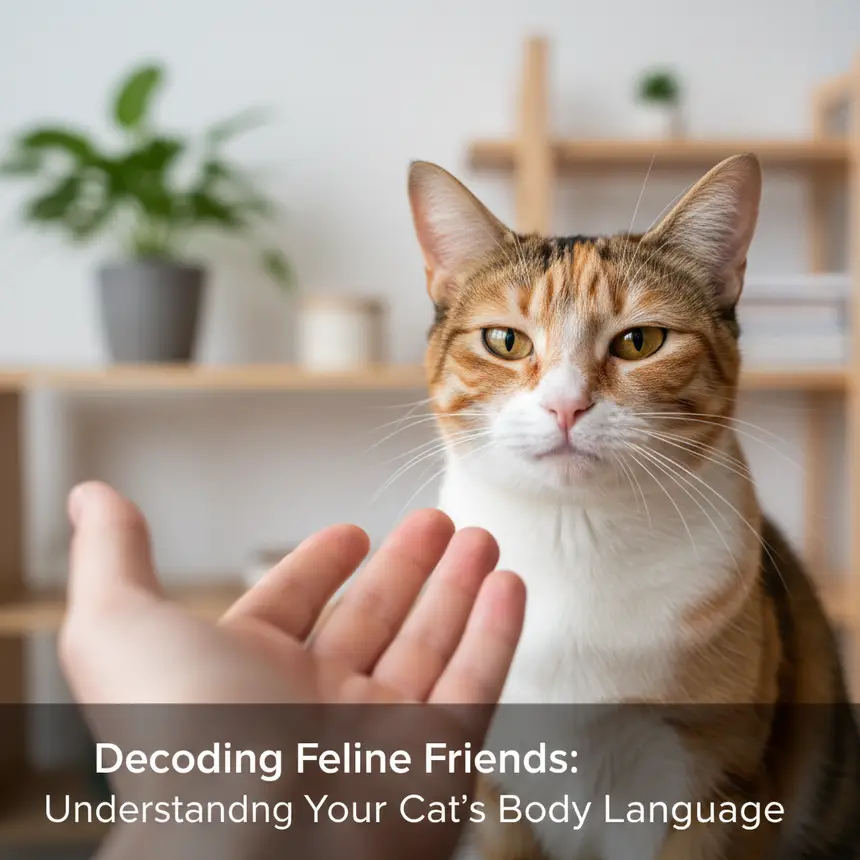
Discover the optimal senior cat food guide for boosting immunity and gut health. Learn about essential nutrients for aging cats and how to properly transition their diet. Ensure a healthy later life for your feline friend.

H2. Understanding Why Senior Cats Are More Sensitive to Seasonal Changes
When your beloved feline companion reaches the age of 10 or more, they enter their senior years. Unlike their younger days, cats in this life stage often react much more sensitively to environmental shifts, particularly seasonal transitions. Their immune systems can become more vulnerable as the weather warms or cools, and their digestive functions may gradually decline, leading to signs of gut discomfort. Owners might notice various signals indicating their discomfort, such as reduced appetite, decreased activity, changes in coat condition, and alterations in stool quality. Recognizing these changes early and providing appropriate care is crucial for ensuring your senior cat enjoys a comfortable later life.

H2. Special Nutritional Needs of Senior Cats: Why Adult Food May Not Be Enough
As cats age, their overall bodily functions gradually decline. Key organs like the kidneys and heart become less efficient, and their metabolism slows down, altering their energy requirements and nutrient absorption rates. Standard adult cat food is formulated to meet the energy expenditure and nutritional demands of active adult cats. For senior cats, this can result in excessive calorie intake or an imbalance of certain nutrients. For instance, diets high in phosphorus can strain a senior cat's kidneys, and difficult-to-digest proteins can lead to gastrointestinal issues. Therefore, senior cats don't just need 'premium food'; they require a specialized senior cat food tailored to their age-specific characteristics and changed bodily functions. Careful food selection is a pivotal factor in maintaining your senior cat's vitality and immune strength.
※ This post contains affiliate links. I may earn a commission at no extra cost to you.


H2. Key Criteria for Choosing Senior Cat Food: Focus on Immunity and Gut Health
When selecting the optimal diet for your senior cat, consider these three core criteria:
1. Phosphorus Levels for Kidney Health: Given the potential decline in kidney function in senior cats, choosing a diet with lower phosphorus content is vital. Generally, products with a phosphorus content around 0.6-0.7% are often recommended.
2. Digestibility and Gut Health Support: Foods containing prebiotic fibers that foster the growth of beneficial gut bacteria help maintain a senior cat's sensitive digestive system and promote healthy stool consistency. This also enhances nutrient absorption and contributes to a stronger immune system. Furthermore, high-quality, easily digestible proteins are essential for muscle maintenance.
3. Comprehensive Vitality and Immune Support: Balanced minerals and antioxidants are crucial for supporting heart, kidney, and bladder health, which are vital for overall well-being in older cats. Additionally, a diet rich in Omega-6 fatty acids and Vitamin E helps maintain a lustrous coat and healthy skin. It's also important to ensure the food provides adequate energy without leading to excessive calorie intake.
By using these criteria as a guide, you can wisely select a food that considers your senior cat's individual health status and palatability preferences.
1. Phosphorus Levels for Kidney Health: Given the potential decline in kidney function in senior cats, choosing a diet with lower phosphorus content is vital. Generally, products with a phosphorus content around 0.6-0.7% are often recommended.
2. Digestibility and Gut Health Support: Foods containing prebiotic fibers that foster the growth of beneficial gut bacteria help maintain a senior cat's sensitive digestive system and promote healthy stool consistency. This also enhances nutrient absorption and contributes to a stronger immune system. Furthermore, high-quality, easily digestible proteins are essential for muscle maintenance.
3. Comprehensive Vitality and Immune Support: Balanced minerals and antioxidants are crucial for supporting heart, kidney, and bladder health, which are vital for overall well-being in older cats. Additionally, a diet rich in Omega-6 fatty acids and Vitamin E helps maintain a lustrous coat and healthy skin. It's also important to ensure the food provides adequate energy without leading to excessive calorie intake.
By using these criteria as a guide, you can wisely select a food that considers your senior cat's individual health status and palatability preferences.

H2. Transitioning and Managing Diet for Your Cat's Active Golden Years
When introducing new food to your senior cat, gradual transition is key, rather than an abrupt change. Over a period of about seven to ten days, gradually mix the new food with their old food, slowly adjusting the proportions. This method helps your cat adapt to the new diet and prevents digestive upset. After the food transition, consistently monitor your cat's appetite, energy levels, coat sheen, and stool condition. Specifically, check if their stool becomes too soft or hard, or if there are any unusual odors, to determine if the new food is well-suited. Palatability is also a critical factor; even the best food won't provide adequate nutrition if your cat refuses to eat it. Finding a food that your cat consistently enjoys ensures they receive stable daily nutrition, which is fundamental for a healthy senior life. Through appropriate senior cat food selection and consistent care, you can help your feline companion enjoy their remaining years comfortably and happily.
Frequently Asked Questions
Q. What is the main difference between senior cat food and regular adult cat food?
A. The primary difference lies in the nutrient ratios. Senior cat food focuses on lower phosphorus for kidney health, more fiber for digestive health, and high-quality protein for muscle maintenance, while adult food might have higher energy density to match active lifestyles.
Q. What changes can I expect when my cat starts eating senior cat food?
A. When fed an appropriate senior diet, you can expect positive changes such as stabilized stool condition due to improved digestion, enhanced overall immunity, better skin and coat health, and increased vitality. Individual results may vary.
Q. What precautions should I take when introducing new food to a senior cat?
A. Abrupt food changes can upset the digestive system, so it's best to transition slowly over at least a week by gradually mixing the old and new foods. Closely observe your cat's stool condition and appetite during this period.
Q. Are there other ways to support a senior cat's immunity and gut health besides diet?
A. Regular veterinary check-ups, encouraging sufficient water intake, providing a stress-free and stable environment, and maintaining appropriate activity levels are all important. You might also consider gut health supplements after consulting with your veterinarian.
Q. What is the recommended phosphorus level for senior cats?
A. Generally, for senior cats' kidney health, a phosphorus content of around 0.6% to 0.7% on a dry matter basis is recommended in their food. However, consultation with a veterinarian is most accurate based on individual health conditions.