Cat scratching is vital for paw health, mental well-being, and overall feline health. Discover how to understand and support your cat's healthy scratching habits for a happier pet.
The Surprising Benefits of Cat Scratching: A Gateway to Health and Happiness
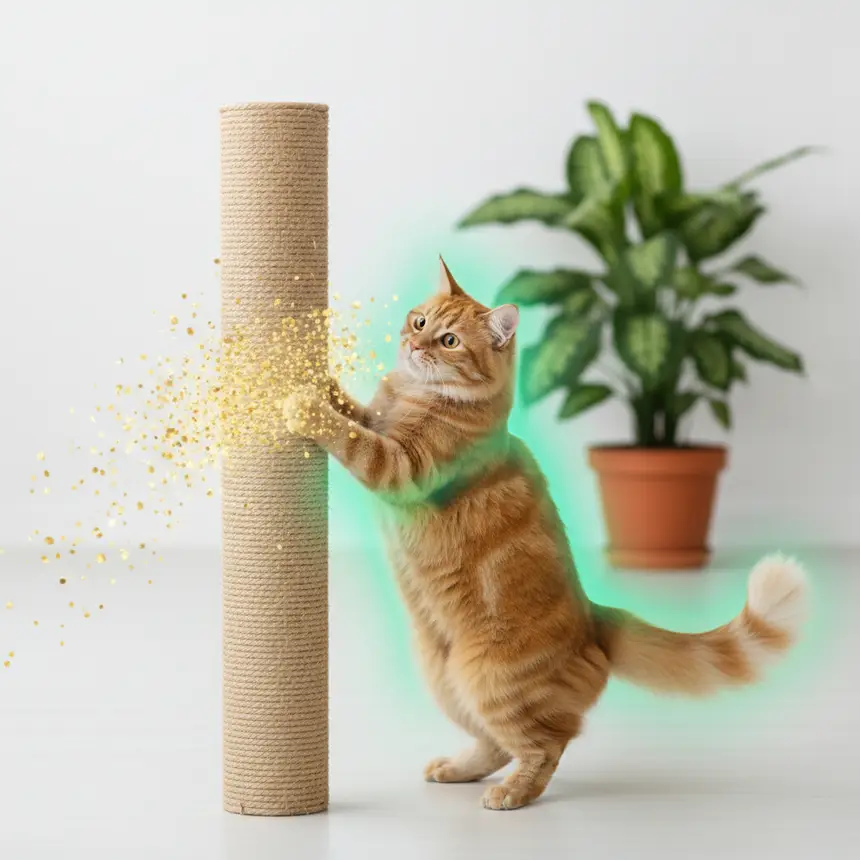
Cat scratching is far more than just sharpening claws; it's a complex behavior with profound implications for your feline companion's physical health and emotional stability. Regular scratching is crucial for maintaining optimal claw condition, promoting full-body flexibility, and strengthening muscles. Much like humans stretching after waking, cats use scratching to elongate their back and shoulder muscles, aiding circulation and relieving tension. Furthermore, it serves as a primary method for stress release, energy expenditure, and territorial marking, thereby providing a deep sense of psychological security. When you observe your cat contentedly engaging in this activity, it's often a positive indicator of their health and happiness.
Why Scratching Is So Crucial for Your Cat
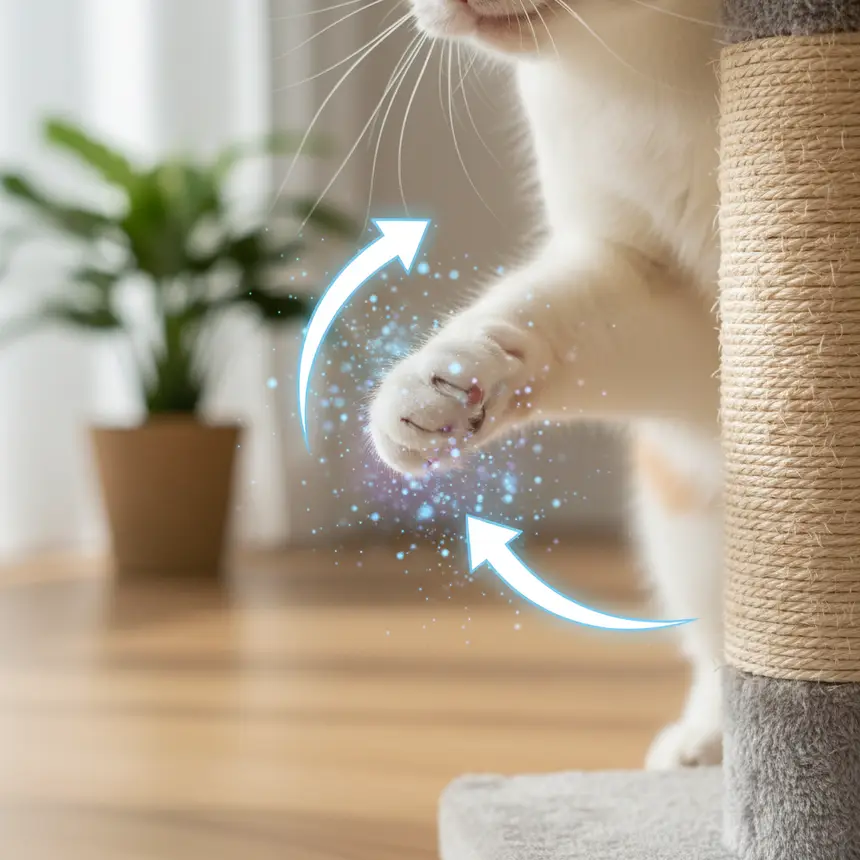
Several physiological and behavioral factors drive a cat's need to scratch. Firstly, it's essential for maintaining claw health. Cat claws grow in layers, with the outermost, older sheath becoming dead tissue. Scratching helps remove this worn layer, revealing the new, sharp claw underneath—a vital process for their natural hunting capabilities. Secondly, it's a form of territorial marking. The pads of a cat's paws contain specific glands that secrete a unique scent. Through scratching, they leave both visual cues and their individual pheromones, signaling that the space belongs to them. This process provides cats with psychological reassurance and a sense of belonging. Thirdly, scratching is an outlet for emotional expression and stress relief. Cats will scratch to release energy when excited or pleased, or to cope with anxiety and stress. The act of stretching their entire body while scratching helps alleviate muscle tension and discharge energy, restoring their emotional balance. For these multifaceted reasons, scratching is not just a habit but a fundamental necessity for cats.
※ This post contains affiliate links. I may earn a commission at no extra cost to you.

Practical Ways to Encourage Your Cat to Enjoy Scratching
Here's how you can help your feline friend enjoy healthy and happy scratching:
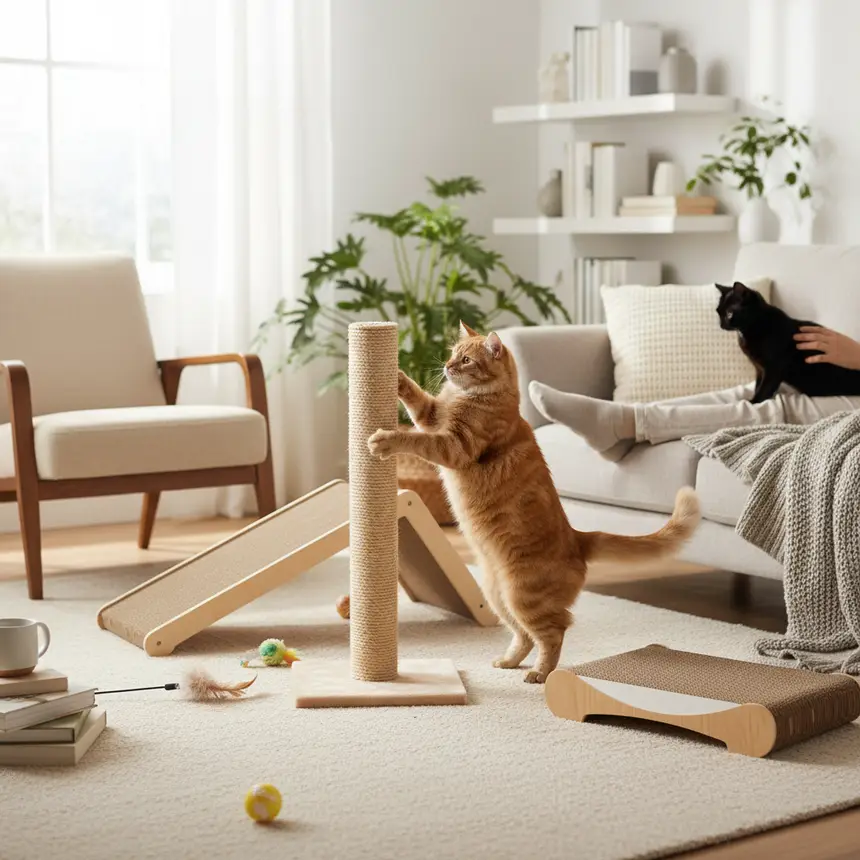
- 1. Offer a Variety of Scratching Surfaces: Cats may prefer various angles—vertical, horizontal, or inclined—and different materials like sisal, cardboard, or carpet. Providing a selection allows you to discover your cat's preference.
- 2. Strategic Placement: Place scratching posts in high-traffic areas, near where your cat wakes up and stretches, or close to furniture they tend to scratch. Distribute several scratching posts throughout your home so they are always accessible.
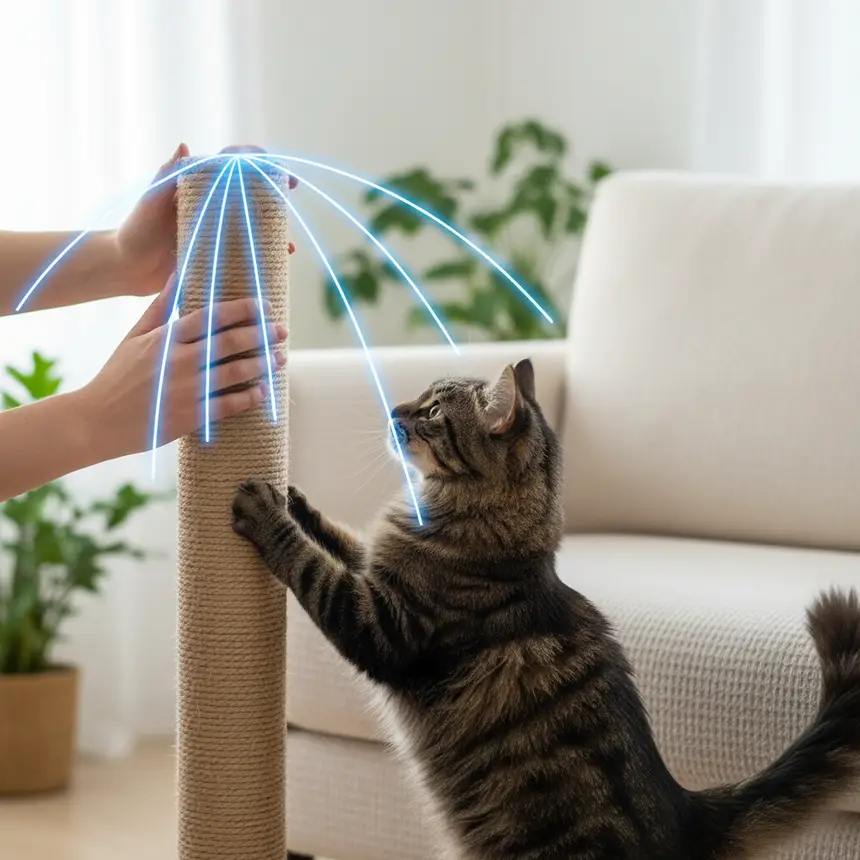
- 3. Positive Encouragement: If your cat isn't showing interest in a new scratching post, try dangling a favorite toy over it or sprinkling a small amount of catnip to entice them. Praising and rewarding your cat each time they use the post will create a positive association.
- 4. Secure Installation: If a scratching post wobbles or easily tips over, your cat might feel insecure and avoid using it. Choose sturdy or weighted products to ensure safe use.
Important Considerations and Management Tips for Healthy Scratching Habits
While observing your cat's scratching habits, there are a few points to note. If your cat scratches excessively, more than usual, or focuses on a specific area leading to wounds or bleeding, it could indicate a claw or skin problem, warranting professional veterinary advice. Additionally, if your cat engages in inappropriate scratching on furniture or walls instead of their designated post, it might be a sign of stress, or simply that they dislike their current scratching post or its location. In such cases, try altering the type or placement of the scratching post, actively encouraging its use, and redirecting their behavior toward appropriate surfaces. All cat guardians can help their feline companions lead happier, healthier lives by understanding their scratching behaviors and providing a suitable environment. This process also significantly deepens the bond with your beloved pet.
Frequently Asked Questions
Q. My cat scratches furniture instead of the scratching post. What should I do?
A. First, try changing the type (material, shape) and location of the scratching post. Place it near the furniture your cat frequently scratches, or use catnip to entice them.
Q. My cat scratches their claws too often; should I be worried?
A. Scratching is an instinctive behavior vital for claw maintenance and stress relief. However, if it's excessive or accompanied by pain, it might indicate a claw disease or skin issue, so consulting a veterinarian is advisable.
Q. Is scratching related to a cat's personality?
A. While scratching is necessary for all cats, more active or sensitive cats might scratch more frequently and intensely. This is more about energy release and emotional expression rather than personality traits.
Q. Do kittens scratch?
A. Yes, kittens instinctively begin scratching. It's important to establish good scratching post habits from an early age.
Q. What does it mean when my cat meows while scratching?
A. Meowing during scratching can express joy, excitement, or satisfaction. It might also be a request for attention, like 'I'm here!' or 'Look at me!'