Wondering why your dog is vomiting? Learn about the common causes of dog vomiting, how to respond, and when to seek veterinary help. Discover practical tips for promoting your canine companion's digestive health.

When Your Dog Vomits: Understanding a Common but Concerning Issue
Witnessing your beloved canine companion vomit can be a distressing experience for any pet owner. The sudden sight can immediately trigger worries about their well-being. Is it just a minor upset stomach, or is it a sign of something more serious? Dog vomiting is a common occurrence with a wide range of potential causes, from simple digestive hiccups to more significant health conditions. Navigating this situation requires understanding why it happens and knowing when to seek professional advice. This article will help shed light on the various reasons behind dog vomiting and guide you on appropriate next steps.
Exploring the Roots of Dog Vomiting: A Look at Various Factors
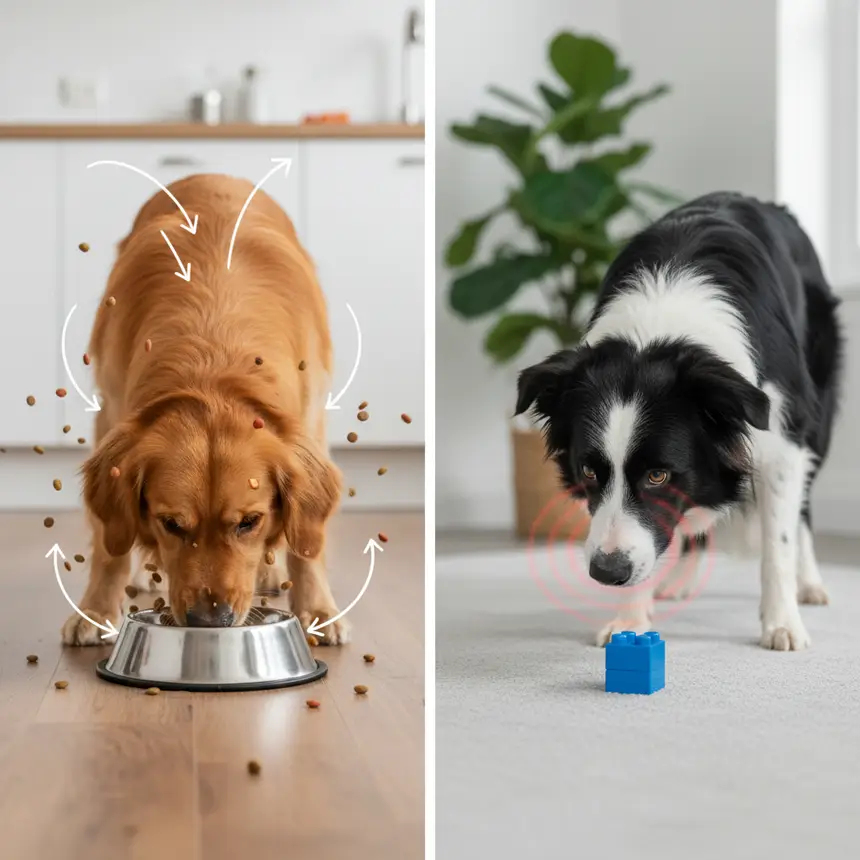
There are numerous reasons why a dog might vomit, often categorized by their origin. Firstly, dietary habits play a significant role. Ingesting food too quickly can lead to swallowing air, hindering digestion and causing regurgitation. Similarly, if meal times are too far apart, an empty stomach can trigger excessive acid production, resulting in the expulsion of yellow bile—commonly known as bilious vomiting. Secondly, changes in diet or inappropriate consumption are frequent culprits. An abrupt switch in dog food or the ingestion of unusual items, including non-food objects like toy pieces or plastic, can irritate the digestive tract. Foreign objects pose an additional risk of causing internal blockages. Lastly, internal bodily discomfort, such as temporary gastrointestinal inflammation, imbalances in the gut flora, or even psychological stress, can impact digestive function and lead to vomiting.
※ This post contains affiliate links. I may earn a commission at no extra cost to you.


Promoting Digestive Health: Practical Strategies for Prevention and Management
To help prevent and manage episodes of dog vomiting, implementing certain lifestyle adjustments is key. Improving eating habits is crucial; for fast eaters, consider using slow-feeder bowls or dividing meals into smaller, more frequent portions. If your dog frequently experiences bilious vomiting on an empty stomach, offering smaller meals more often throughout the day can help keep their stomach from becoming overly empty. When transitioning to a new food, always do so gradually over at least a week, mixing increasing amounts of the new food with decreasing amounts of the old. This allows their digestive system time to adapt. Furthermore, secure any small items or potentially harmful foods out of your dog's reach to prevent accidental ingestion. If stress is suspected as a cause, providing a stable, calm environment and engaging in regular, gentle exercise can contribute to their overall well-being and digestive comfort.

When to Seek Professional Help: Observing Symptoms and Making Informed Decisions
If your dog vomits once or twice and quickly returns to their normal energetic self, it might simply be a transient upset stomach. In such cases, withholding food for 4-6 hours while ensuring access to water can often help their stomach settle. However, certain signs indicate the need for immediate professional attention. Firstly, if vomiting is recurrent, happening multiple times a day, or persists for more than 1-2 days. Secondly, if vomiting is accompanied by other concerning symptoms like loss of appetite, lethargy, or abdominal pain. Thirdly, if you notice fresh blood in the vomit or it resembles dark coffee grounds, which could signal internal bleeding. Lastly, any unusual behavioral changes or signs of discomfort warrant a vet visit. Your pet's health relies on your keen observation and prompt action. Carefully monitor the frequency and nature of the vomiting, along with any accompanying symptoms, and do not hesitate to consult a veterinary professional if you have any concerns about your furry friend's health.
Frequently Asked Questions
Q. My dog vomited yellow liquid. What does this mean?
A. Yellow liquid vomit often indicates bilious vomiting, which occurs when the stomach is empty for too long, causing stomach acid and bile to reflux. Reducing meal gaps and feeding smaller, more frequent meals can help.
Q. My dog is vomiting after a food change. What should I do?
A. Vomiting after a food change suggests your dog's digestive system hasn't adapted to the new food. It's recommended to transition gradually over 7-10 days by mixing increasing amounts of the new food with the old. If symptoms are severe, revert to the old food or consult a vet.
Q. When is it necessary to take my dog to the vet immediately for vomiting?
A. You should seek veterinary attention immediately if vomiting is repetitive (multiple times a day), persists for more than 1-2 days, is accompanied by other symptoms like loss of appetite, lethargy, or diarrhea, or if you see blood in the vomit or suspect ingestion of a foreign object.
Q. If my dog vomits but seems fine afterward, is it okay?
A. If your dog vomits once or twice but quickly recovers their energy and appetite, it might be a minor issue. However, it's wise to observe them closely for the next few days for any unusual signs. If you notice anything concerning, consulting a veterinarian is always the safest approach.