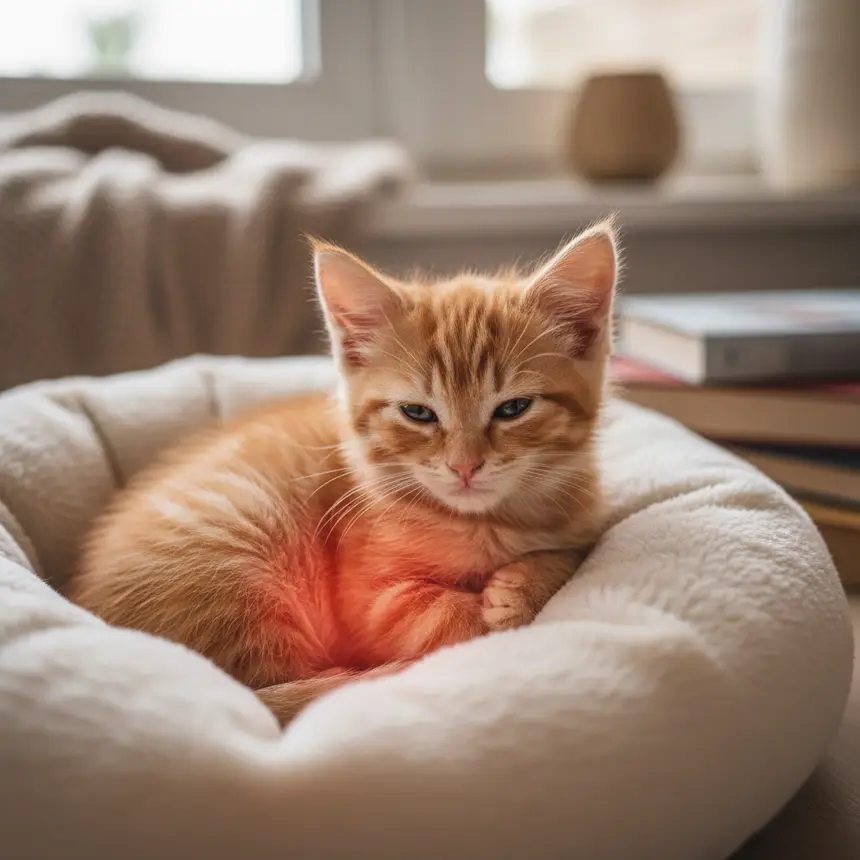
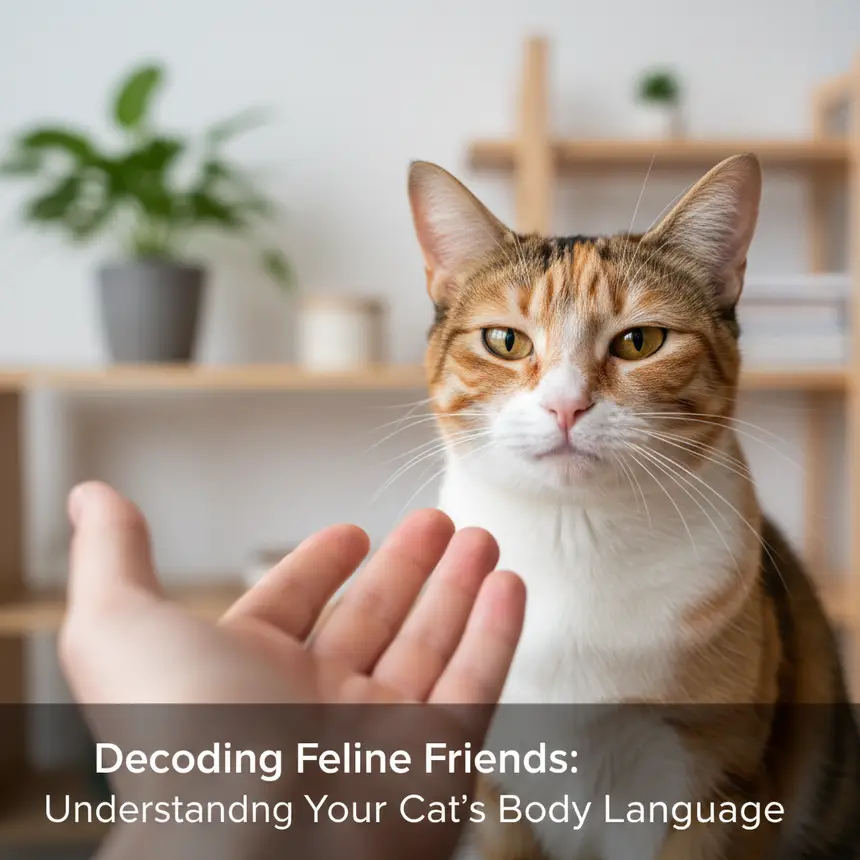
Don't miss the subtle signs of stress your cat might be showing. From hidden behavioral changes to appetite and litter box issues, learn to identify cat stress symptoms and discover practical strategies to restore their sense of security.

Understanding Your Cat's Subtle Stress Cues
Felines are inherently sensitive creatures, highly susceptible to environmental shifts. Even minor alterations can profoundly impact a cat's emotional state, often manifesting as various cat stress symptoms. These signs are frequently subtle or masked, making them easy for pet parents to overlook. However, early recognition of these signals and implementing effective cat stress management strategies are crucial for safeguarding their health and happiness. Prolonged stress can lead to significant physical and psychological issues, emphasizing the importance of careful observation to maintain your cat's peaceful daily life. Make it a habit to pay close attention to your cat's subtle daily behavioral shifts.
Key Indicators of Feline Stress
When a cat experiences stress, a wide range of behaviors can emerge, with several prominent indicators often signaling distress:
- Behavioral Shifts: A cat that typically enjoys interaction might start hiding more frequently or become withdrawn. Conversely, some may exhibit increased irritability or aggression, or actively avoid human contact. These changes often reflect underlying anxiety.
- Appetite Changes: A previously enthusiastic eater might suddenly refuse meals or consume noticeably less food. In some cases, overeating can also be a stress response. Such dietary shifts are often quick to notice and serve as important cues.
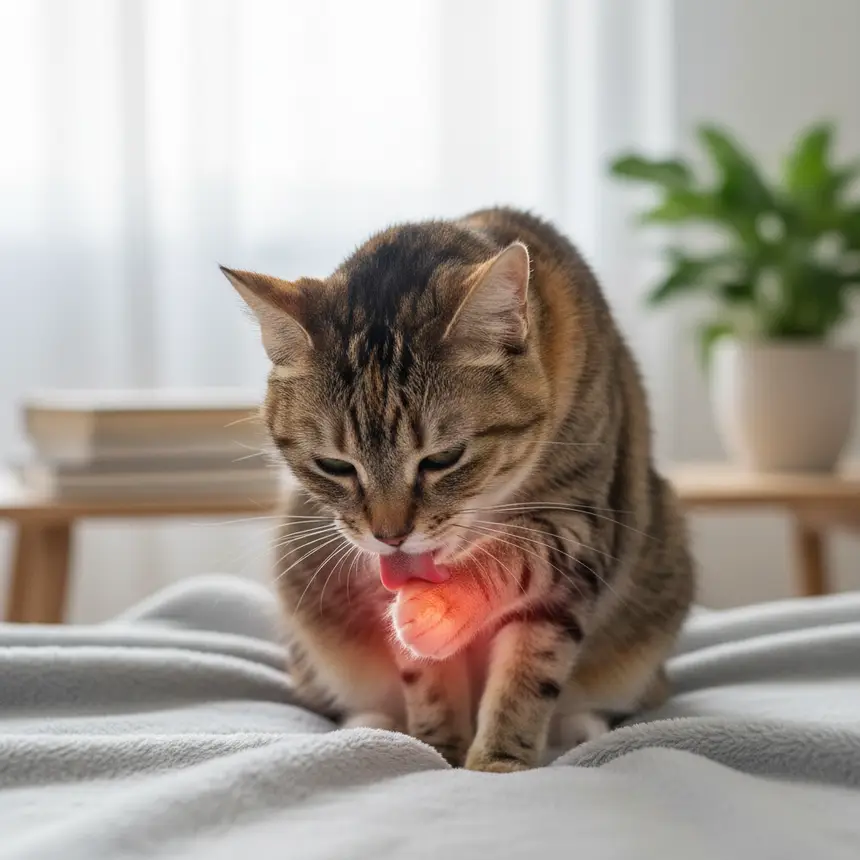
- Excessive Grooming: Repetitively licking or chewing specific body parts, leading to hair loss or skin irritation, is a common stress-coping mechanism. If persistent, this can result in dermatological problems.
- Litter Box Issues: Urinating or defecating outside the litter box is a common concern for many cat owners. This behavior frequently stems from environmental changes or feelings of insecurity.
- Sleep Pattern Disturbances: A cat might sleep excessively or, conversely, become unusually active and restless during the night. Increased vocalization, such as frequent or prolonged meowing without an apparent cause, can also be linked to stress.
- Physical Manifestations: Long-term exposure to stress can lead to physical changes, including weight loss, a dull coat, and a general decrease in vitality. These are significant indicators requiring consistent attention from pet parents.
※ This post contains affiliate links. I may earn a commission at no extra cost to you.

Practical Steps for Reducing Feline Stress
To help your cat alleviate stress and regain a sense of security, practical interventions are essential:
- Cultivate a Stable Environment: Unpredictable changes can cause significant anxiety. Minimize major furniture rearrangements or loud noises, and maintain consistent daily routines to create a predictable environment. When introducing new elements or changes, allow your cat to adapt gradually.
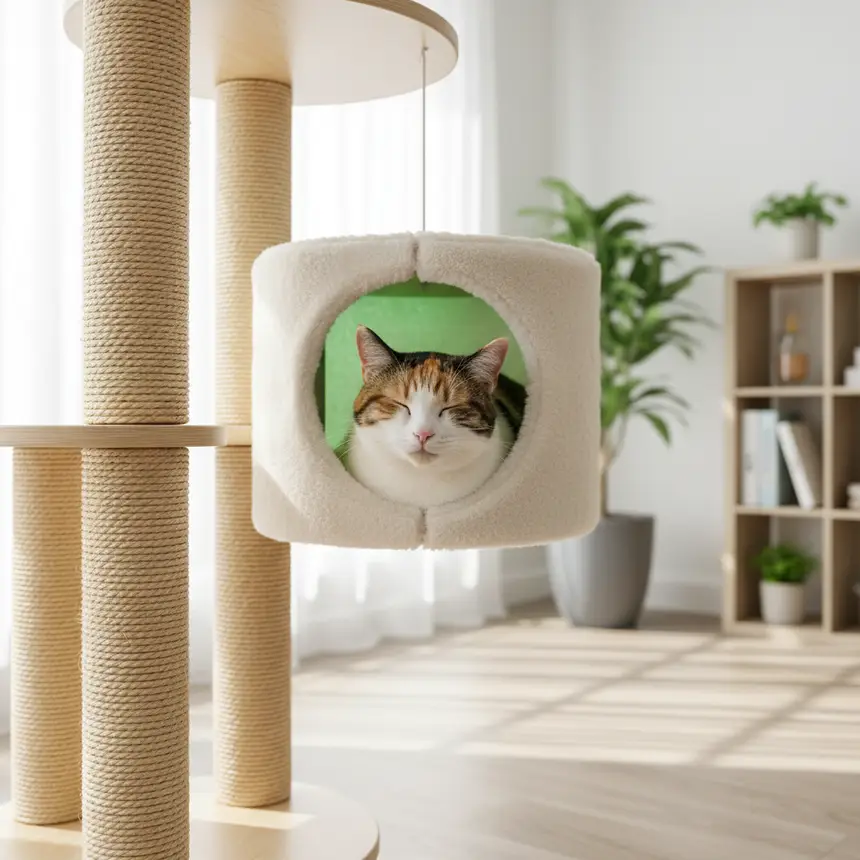
- Provide Personal Safe Havens: Stressed cats often seek secluded spots. Offer quiet, independent spaces such as high perches on a cat tree, cozy hiding boxes, or cardboard boxes where they can retreat and feel secure at any time. These dedicated areas provide immense psychological comfort.
- Engage in Regular Play and Interaction: Consistent daily play sessions that fulfill their natural hunting instincts are highly effective for stress relief. Utilize wand toys or interactive puzzles to encourage physical activity and mental stimulation, while strengthening your bond through positive interactions.
- Utilize Vertical Space: Install cat trees or wall shelves that allow your cat to climb and observe their surroundings from an elevated position. High vantage points offer a sense of safety and control over their territory, which significantly helps in reducing stress.
When to Seek Professional Support for Your Stressed Cat
While many cat stress symptoms are natural reactions to environmental changes, some signs warrant professional attention. If appetite loss or litter box issues persist for an extended period, or if there's a noticeable decline in your cat's overall vitality, consulting a pet professional is crucial. Initial cat stress management might involve simple environmental adjustments, but chronic stress can lead to various health complications. Consistent care and keen observation are key to ensuring your cat's health and happiness.
Frequently Asked Questions
Q. What are the main reasons cats get stressed?
A. Common causes include environmental changes (moving, furniture rearrangement, new pets), loud noises, and shifts in the owner's routine. Cats thrive in stable, predictable environments.
Q. How can I tell if my cat is just moody or truly stressed?
A. Stress symptoms are typically persistent, not temporary, and often accompanied by multiple behavioral changes like reduced appetite or litter box accidents. If unusual behavior lasts for several days, it's likely a stress signal.
Q. What's the first thing I should do for a stressed cat?
A. Provide a safe, independent space where your cat can feel secure, and maintain consistent daily routines to offer a sense of stability.
Q. How quickly can I expect improvement after addressing my cat's stress?
A. Improvement varies depending on the symptoms and cause, usually taking several days to a few weeks. If no change is observed after environmental adjustments, consult a professional.
Q. When is it necessary to seek help from a veterinarian or behaviorist?
A. Professional help is essential if appetite loss or litter box issues continue for over a week, or if there's extreme aggression, excessive grooming causing skin lesions, or any other clear health concern.