Canine obesity is more than just a change in appearance; it can lead to various health issues. Discover comprehensive guidance on preventing and managing dog obesity, from understanding its causes to practical tips for balanced lifestyle habits, to protect your dog's health.
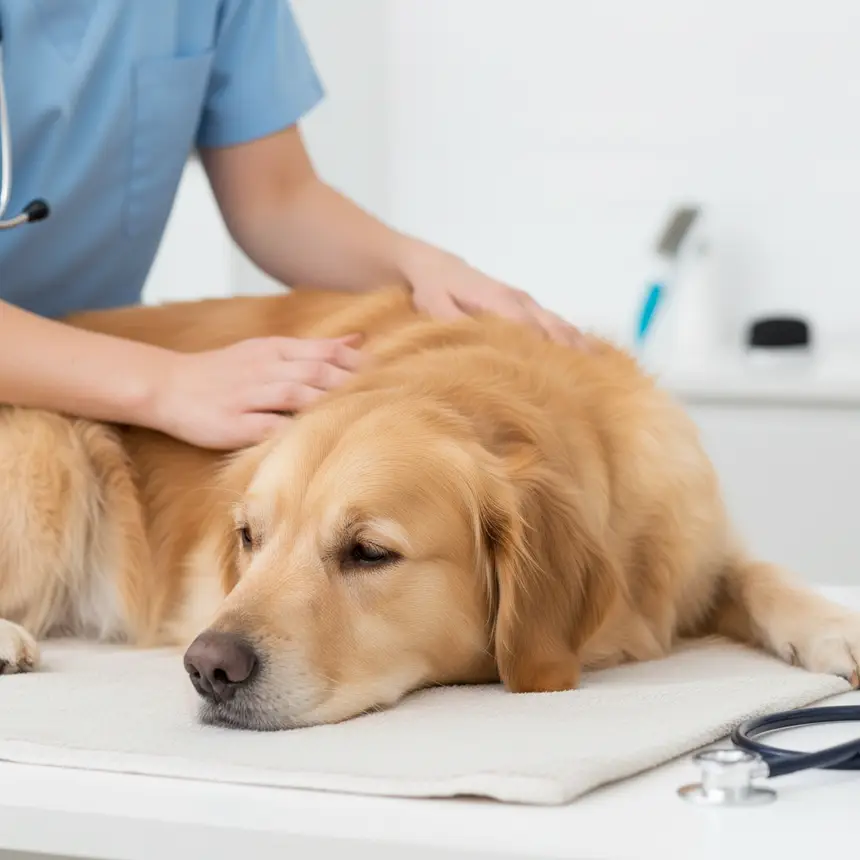
Is Your Dog's Weight Change a Sign of Canine Obesity?
If your beloved canine companion seems a bit plumper than before or has noticeably reduced activity levels, it might be more than just a simple change in physique. Many pet parents notice these shifts but feel uncertain about how to address them. Canine obesity is a significant health concern that extends beyond appearance, seriously impacting your dog's overall well-being and lifespan. It can strain joints, threaten cardiovascular health, and rob them of a vibrant daily life. Therefore, it's crucial to observe your dog's changes closely and begin appropriate management strategies promptly.
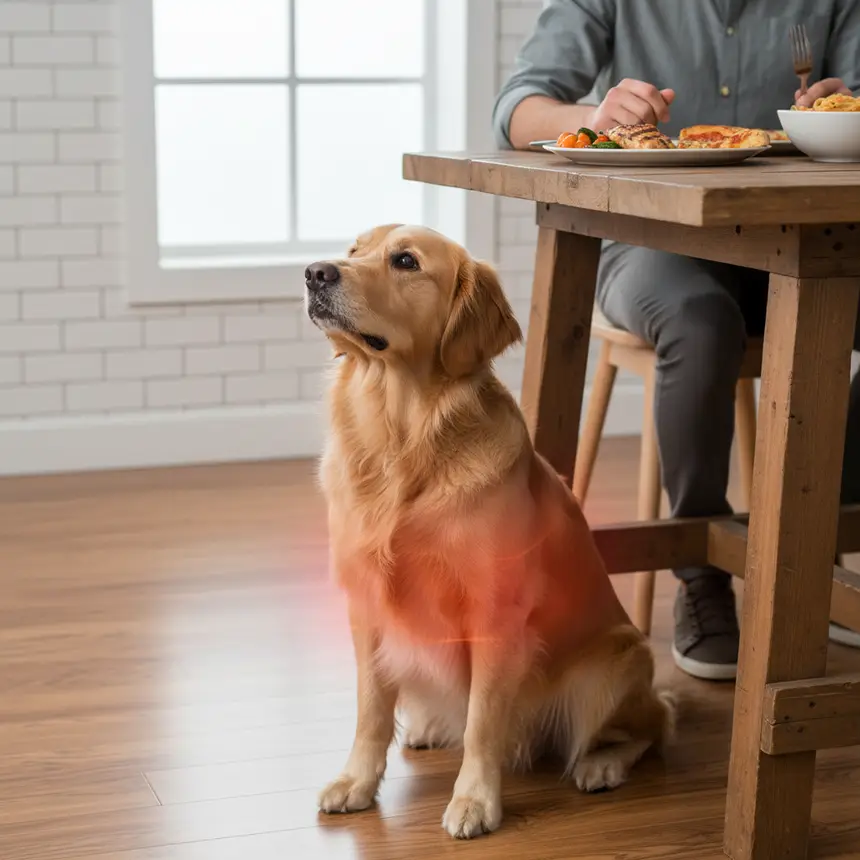
Unpacking the Primary Causes Behind Dog Obesity
Fundamentally, dog obesity occurs when your dog's energy intake surpasses their energy expenditure. One of the most common culprits is the excessive feeding of unnecessary treats. Snacks given outside of regular meals, especially human food, can easily lead to an overload of calories for dogs. Furthermore, a lack of regular and sufficient physical activity is a major contributor to weight gain. Short walks or purely indoor activities often fail to meet their necessary energy expenditure. After spaying or neutering, hormonal changes can lead to increased appetite and a slower metabolism, making weight gain more common, thus requiring more vigilant observation.
※ This post contains affiliate links. I may earn a commission at no extra cost to you.

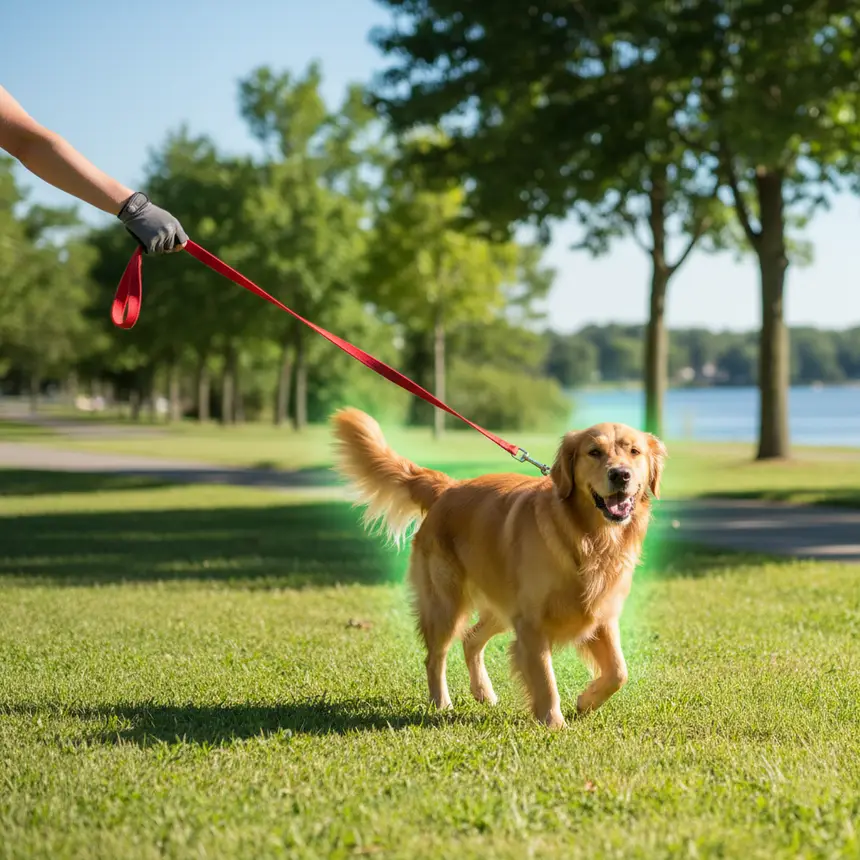
Managing Canine Obesity Through Balanced Nutrition and Regular Activity
Managing your dog's weight primarily revolves around two key pillars. First, dietary regulation is paramount. It's crucial to accurately determine and adhere to the daily recommended food portion based on your dog's age, breed, and activity level. Treats should be minimized, and if given, it's wise to reduce the main meal's calorie count accordingly. Second, regular exercise is essential. Daily walks for a consistent duration, playing fetch, or engaging in scent work are effective ways to naturally increase energy expenditure through activities your dog enjoys. Rapid weight loss can be detrimental to health, so it's advisable to consult with a veterinarian to set gradual goals and consistently work towards them. Regularly weighing your dog and tracking changes is also a vital part of effective management.
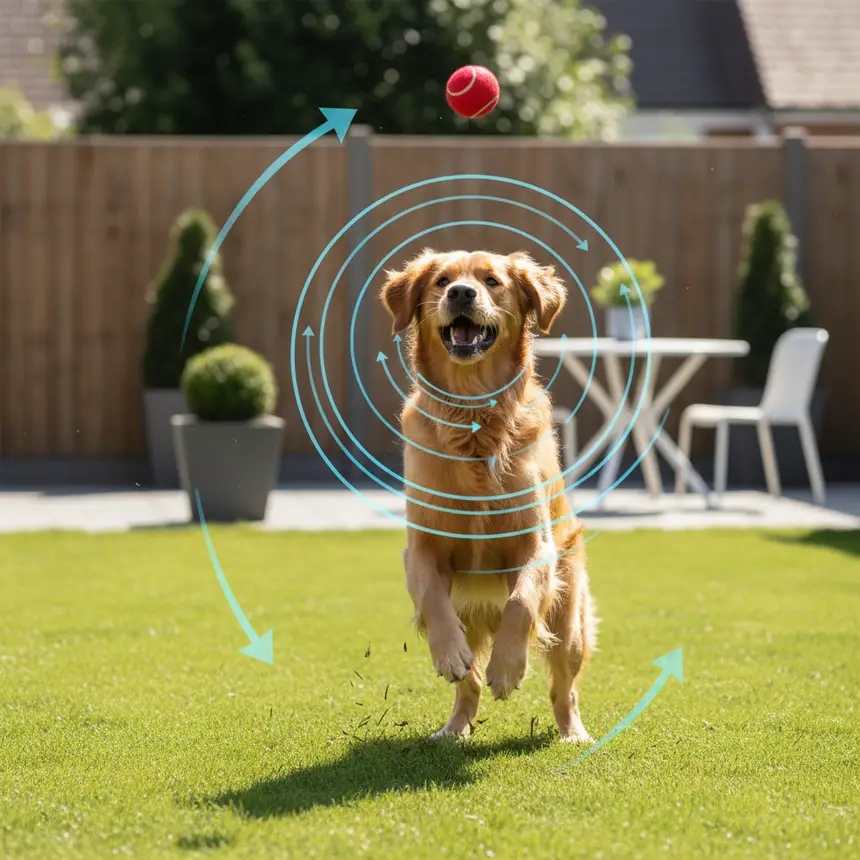
Cultivating a Healthy Pet Lifestyle Through Small Habit Changes
Canine obesity isn't a problem that can be resolved overnight; it's a journey requiring consistent attention and effort. Maintaining a healthy weight for your dog is more than just dieting; it's an essential component for a vibrant and happy life together. Instead of setting overly ambitious goals from the start, try beginning with small, achievable changes, such as extending daily walk times by just five minutes or slightly reducing treat portions. These small habits collectively enhance your dog's health and can even deepen the bond you share. To ensure our cherished canine family members can live long, healthy lives by our side, it's vital to begin fostering balanced lifestyle habits starting today.
Frequently Asked Questions
Q. How can I tell if my dog is overweight or obese?
A. A simple method is to feel your dog's ribs. If you can easily feel their ribs without seeing them, they are likely at a healthy weight. If you can't feel their ribs and they lack a visible waistline, obesity might be a concern. Consulting a veterinarian for an accurate body condition score is always the best approach.
Q. Should I completely eliminate treats from my dog's diet?
A. You don't necessarily have to eliminate all treats, but careful consideration of quantity and type is important. Limit treats to no more than 10% of their total daily caloric intake and opt for low-calorie options. Offer them minimally for purposes like training rewards, and ensure overall calorie balance by adjusting their main meal portions.
Q. How should I manage my dog's weight after spaying or neutering?
A. After spaying or neutering, dogs often experience increased appetite and decreased metabolism, leading to easier weight gain. Consider slightly reducing their meal portions or switching to a lower-calorie food. It's also crucial to maintain activity levels with consistent walks and playtime, and to regularly monitor their weight for any changes.
Q. Should older dogs with reduced activity also lose weight?
A. Yes, maintaining a healthy weight is important for senior dogs too. Obesity can worsen common health issues in older dogs like arthritis or heart disease. However, instead of strenuous exercise, opt for short, frequent walks, swimming, or other joint-friendly activities. Adjust their diet to easily digestible, lower-calorie options. Always consult with your veterinarian to create a weight management plan suitable for your senior dog's specific needs.