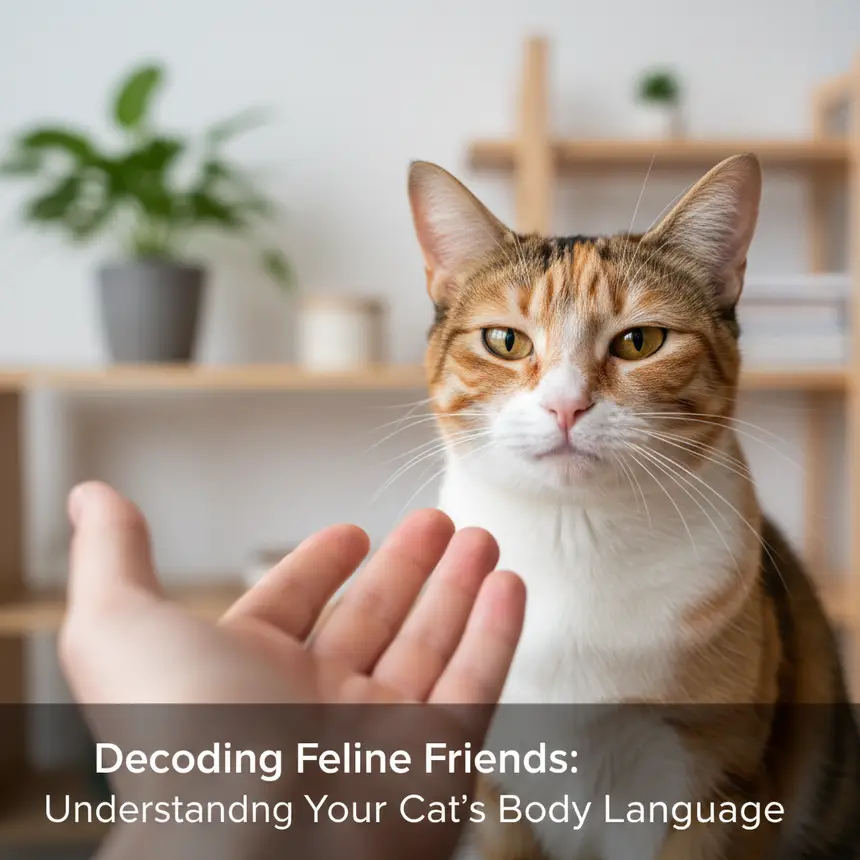
Kitten socialization training is crucial for a lifetime of happiness. Don't miss the golden window for cat socialization; discover practical strategies and precautions to help your kitten interact positively with the world.
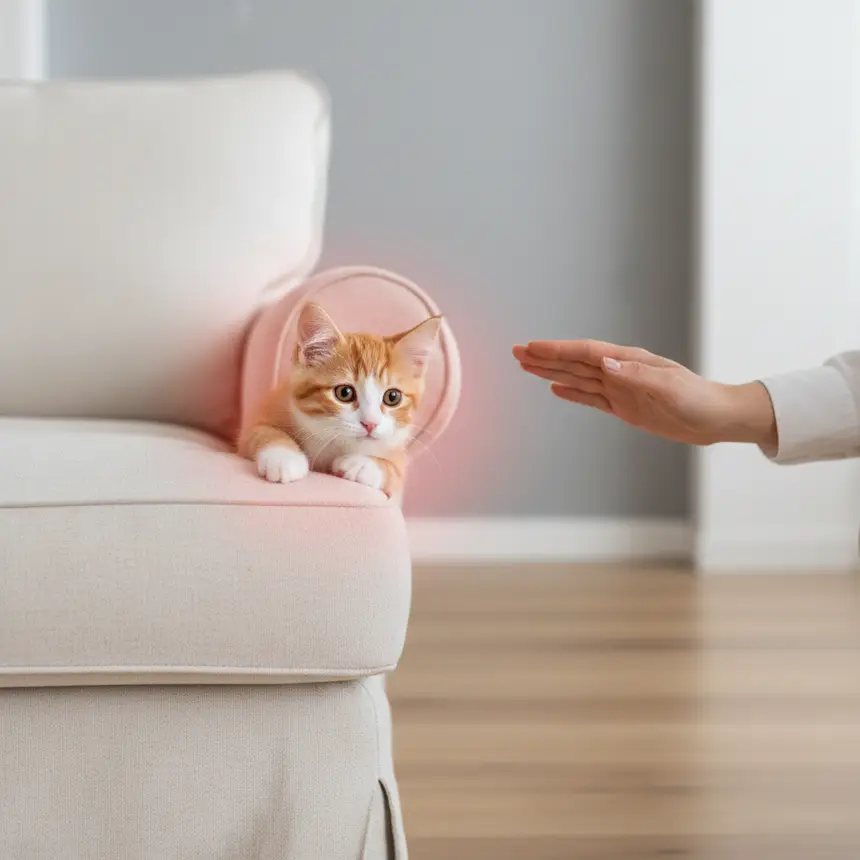
Unveiling the Hidden Anxieties of Your New Kitten
Welcoming a new kitten into your home brings immeasurable joy and wonder. Every tiny movement is endearing, captivating our hearts. However, beyond the sheer cuteness, this period is critically important for shaping your cat's lifelong behavior and personality. Kittens often experience anxiety when faced with unfamiliar environments, people, or sounds, issues that can persist into adulthood. If this crucial developmental window is missed, your feline friend might frequently exhibit stress, hiding, or guarded behaviors in new situations. Proper kitten socialization training is key to preventing such problems, helping your cat live harmoniously within the world. This process not only provides a sense of security for your cat but also deepens the bond you share.
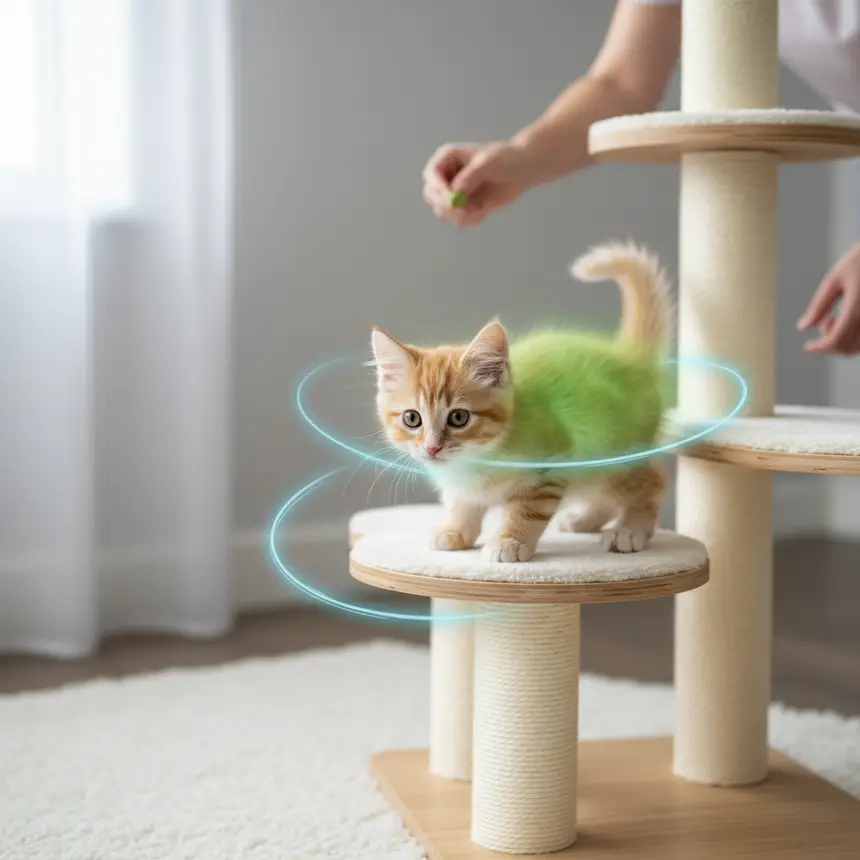
Maximizing the Golden Window: A Guide to Stable Kitten Personality
The most crucial period for kitten socialization is generally recognized as being from approximately 2 to 7 weeks of age. During this time, kittens are most open to exploring and learning about the world, making positive exposure to diverse experiences vital. Here are specific strategies to successfully guide your kitten's socialization:
- Consistent Gentle Handling: Daily, at a set time, gently hold your kitten and practice lightly touching various parts of their body (paws, ears, around the mouth). This significantly helps reduce stress during future vet visits or grooming sessions.
- Sound Desensitization: Gradually accustom your kitten to common household noises like vacuum cleaners, TVs, or doorbells. Start with low volumes and slowly increase them as your kitten appears comfortable. If your kitten shows signs of anxiety, stop immediately and try again another time.
- Encouraging Positive Encounters: Interactions with new people or other pets must be managed in a controlled environment to ensure positive experiences. Instead of forcing interaction, use tasty treats or engaging toys to encourage your kitten to approach voluntarily. It's crucial never to force or corner your kitten during these introductions.
- Environmental Enrichment: Provide safe spaces for hiding (boxes, cat caves), various elevated resting spots (cat trees), and new toys. This allows your kitten to safely explore and adapt to their surroundings. Changes should always be introduced gradually.
※ This post contains affiliate links. I may earn a commission at no extra cost to you.

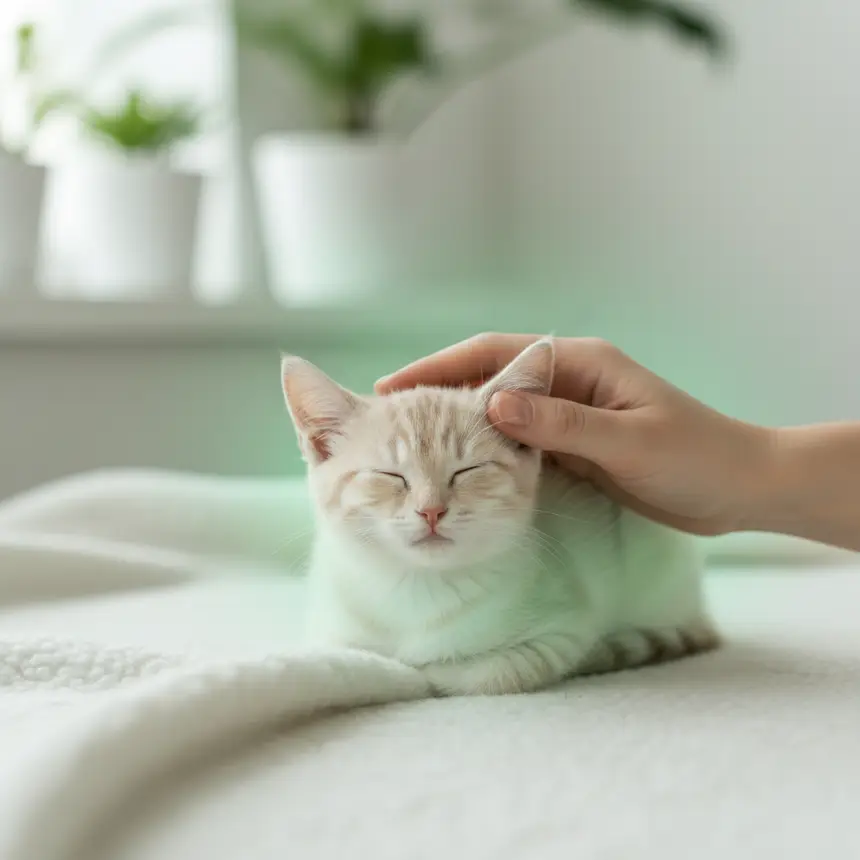
Essential Principles and Precautions for Successful Socialization
Kitten socialization training is not a one-time event; it requires consistency and patience. Most importantly, it involves reading and respecting your kitten's cues. Please keep the following principles in mind:
- Avoid Forcing Interactions: If your kitten shows signs of fear or discomfort, immediately stop the training and allow them time to relax. Forcing physical contact or interaction can be counterproductive.
- Keep Sessions Short and Positive: Aim for short, positive sessions of about 5-10 minutes, once or twice a day. Consistent short sessions are less stressful for your kitten than infrequent, long ones.
- Prioritize Health and Safety: Before your kitten completes their vaccinations, it's best to avoid direct contact with outdoor environments or other animals to protect them from potential infections.
- Tailored Approach: Every kitten has a unique personality and social development pace. Shy or fearful kittens, in particular, will require more time and patience. Avoid rushing the process; matching your kitten's pace is key to success.
Frequently Asked Questions
Q. When should I start kitten socialization training?
A. The golden window for kitten socialization is between 2 and 7 weeks of age. Providing diverse positive experiences during this period is crucial for their development.
Q. What should I do if my kitten gets scared during socialization training?
A. If your kitten shows signs of fear or discomfort, immediately stop the training and give them space to feel safe and relaxed. Never force them to continue.
Q. Can adult cats also be socialized?
A. Yes, adult cats can also learn and change behaviors through socialization, but it requires more time and patience than with kittens. A gradual and positive approach is essential.
Q. When is it safe to socialize my kitten with other animals?
A. It's best to wait until your kitten has completed all their vaccinations and consult with your veterinarian. Then, introduce them to other animals slowly in a safe, controlled environment.
Q. How often should I use treats as rewards during socialization?
A. Treat rewards are highly effective for creating positive associations with new experiences. Reward your kitten generously whenever they respond well during training to foster good memories.