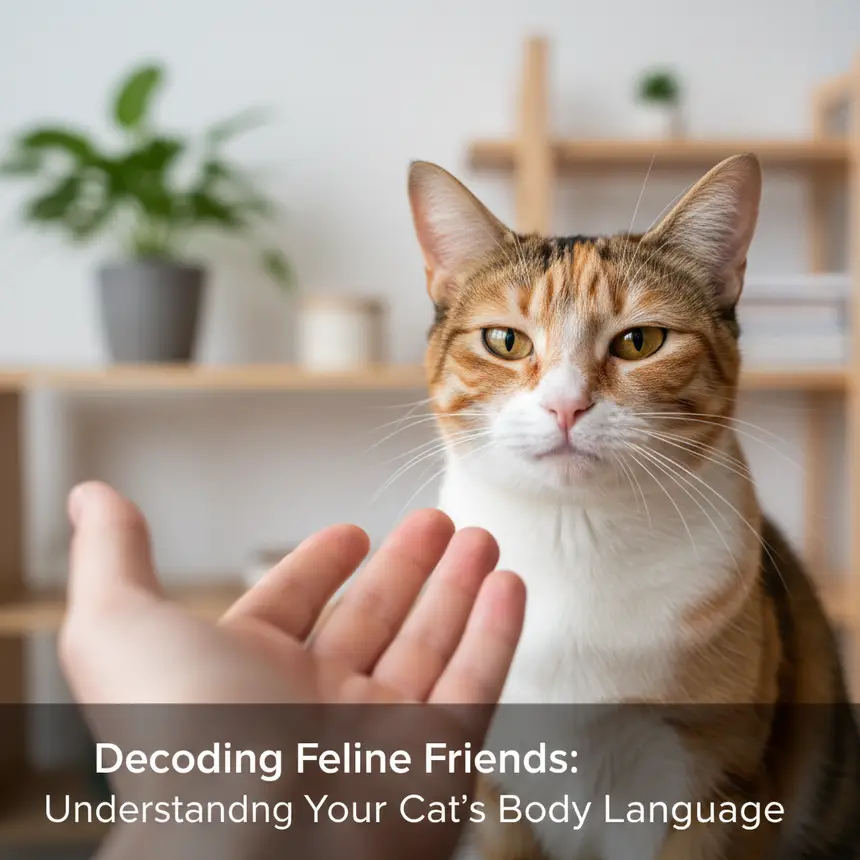
End the guesswork for your beloved cat's diet! Discover essential factors like nutrition, palatability, and cost, plus how to successfully transition foods. Find the optimal diet for your feline friend.

The Crucial Role of Food in Your Cat's Vitality and Well-being
The well-being and happiness of your beloved cat begin with what they eat every day. Selecting the appropriate cat food is more than just filling their bowl; it's a fundamental aspect that elevates your feline companion's overall quality of life. A diet that provides balanced nutrition forms the foundation for a lustrous coat, vibrant energy, and a robust immune system. Conversely, an unsuitable diet can lead to various health issues such as digestive upset, allergies, or skin problems. Providing your cat with a diet tailored to their unique characteristics and needs is one of the most profound gifts a pet parent can offer. Let's delve into the essential factors you should consider when making cat food choices.
Key Factors to Consider When Selecting Cat Food
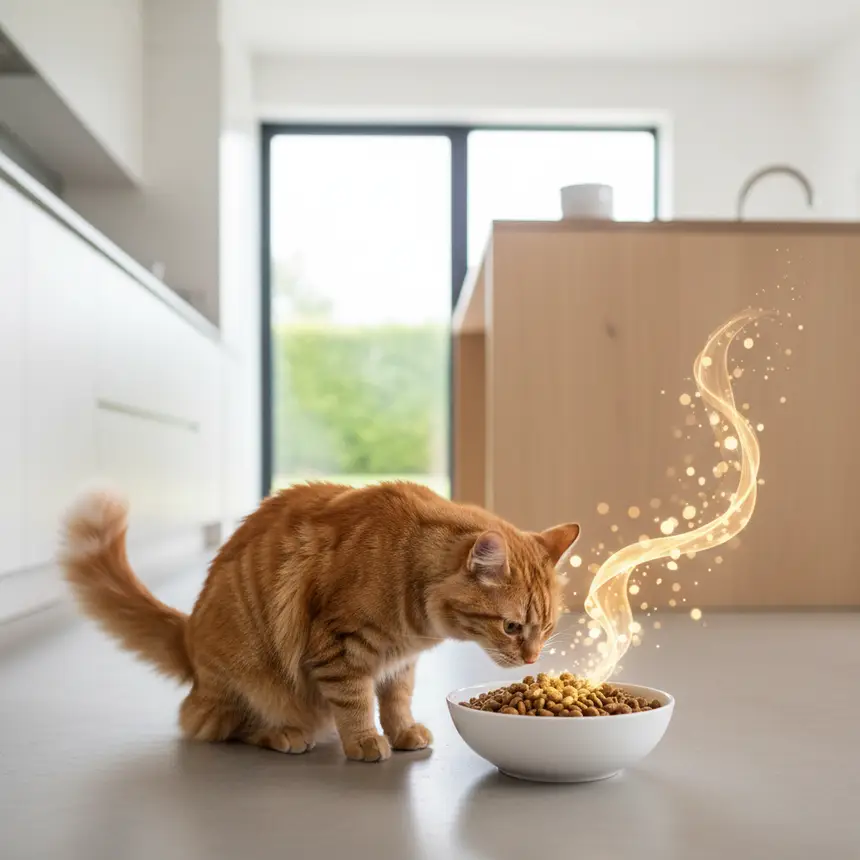
When it comes to choosing cat food, it's essential to consider several crucial criteria beyond just the price. First, palatability is paramount. Even the most nutritionally superior food is useless if your cat refuses to eat it. Since each cat has unique taste and texture preferences, it's vital to conduct small-scale taste tests to understand what your cat enjoys. Second, nutritional composition must be meticulously reviewed. Ensure the ingredient blend is appropriate for your cat's age (kitten, adult, senior), activity level, and any specific health conditions (e.g., hairball control, sensitive digestion). It's wise to check protein content, essential amino acids (like taurine), and the balance of vitamins and minerals. Third, cost-effectiveness plays a role. A balanced approach is needed to find food that offers high-quality nutrition at a price you can sustain long-term without financial strain. Finally, the manufacturer's reputation and product variety are also factors. Brands with a long history of positive reviews generally maintain consistent quality and offer diverse options to adapt to your cat's evolving needs.
※ This post contains affiliate links. I may earn a commission at no extra cost to you.

Safe Transitioning to New Food and Optimal Feeding Tips
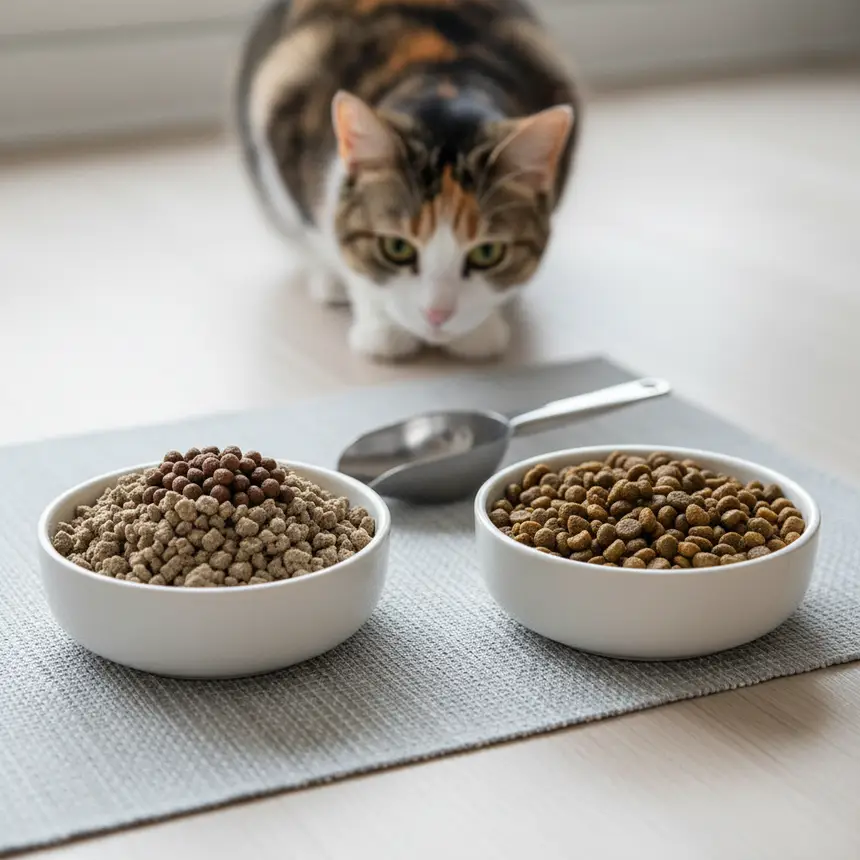
When introducing a new cat food, it's crucial to adopt a gradual approach to protect your cat's digestive system. Abrupt changes can trigger digestive upset such as vomiting, diarrhea, or a loss of appetite, as well as stress. The ideal method is to slowly increase the proportion of the new food over at least seven days. For the first 2-3 days, mix 80% old food with 20% new food. Then, for the next 2-3 days, combine them in a 50/50 ratio. For the final 2-3 days, use 80% new food and 20% old food before fully transitioning. Throughout this process, carefully monitor your cat's stool consistency and behavioral changes. Additionally, in multi-cat households, individual dietary management might be necessary due to each cat's unique needs. If your cat has specific health concerns, consulting with a veterinarian to select a tailored diet is always the wisest course of action.
Frequently Asked Questions
Q. What should I do if my cat refuses the new food?
A. If your cat rejects the new food, extend the transition period or increase the proportion of the old food and try again. You can also try sprinkling a small amount of their favorite treat on top or mixing in a little warm water to enhance the aroma. If rejection continues, it may be best to purchase small quantities of other food types to test.
Q. Which is better for my cat: dry kibble or wet food?
A. Both dry and wet cat food have their advantages and disadvantages. Dry food is convenient for storage and can offer some dental benefits, while wet food increases water intake and is often more palatable. Many experts recommend a mixed feeding approach, combining both. The best choice depends on your cat's health status and preferences.
Q. Are there special considerations for choosing food for senior cats?
A. Senior cats often have reduced activity levels and potentially weaker digestive systems, so it's advisable to choose food that is lower in calories and easy to digest. You might consider formulas with joint-supporting nutrients (like glucosamine) or lower phosphorus content for kidney health. Consulting your veterinarian to determine the specific nutritional requirements for your senior cat is the safest approach.