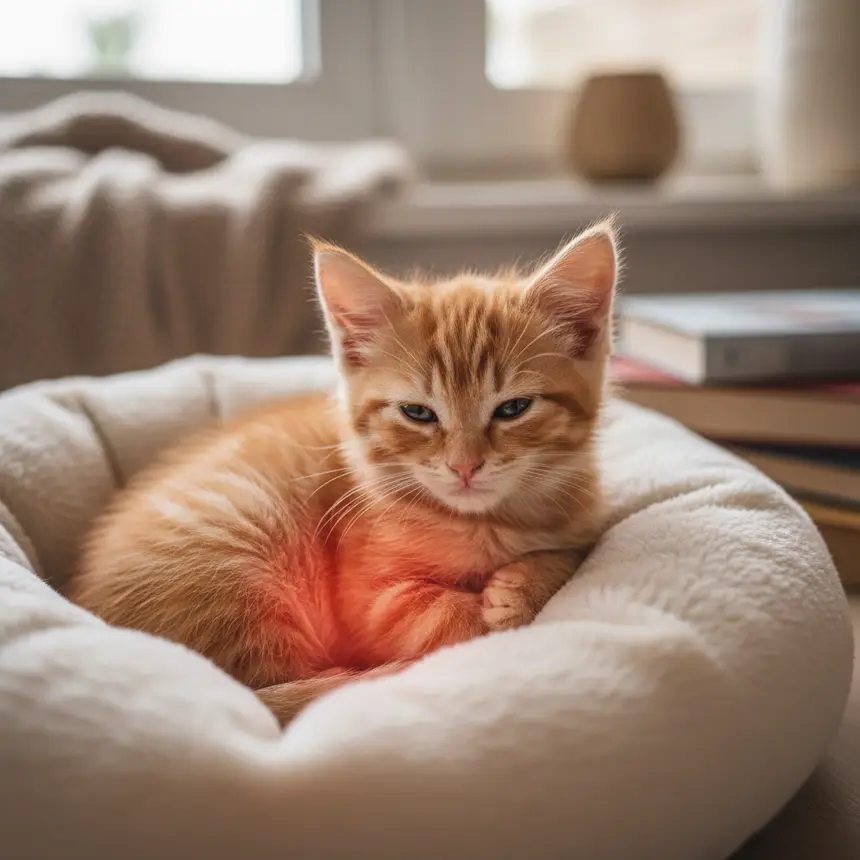
Your pet's health and happiness begin with a clean living environment. Discover essential tips for maintaining a hygienic pet habitat and preventing illnesses. From cleaning schedules to methods for a pristine space, this is your must-have guide for a healthy pet life.

Subtle Pet Signals: A Call to Check Their Environment
Have you ever noticed your beloved pet being less active than usual, or perhaps scratching a particular spot more often? Maybe their coat seems to lack its usual luster, or they've been sneezing repeatedly. These subtle changes can often be closely linked to the hygienic state of their living space. While we strive to provide the best possible environment for our companions, it's possible that unseen elements are accumulating, silently threatening their well-being. If you're wondering where your pet's minor discomfort might stem from, taking a close look at the cleanliness of the space they inhabit daily is a crucial first step.
How a Neglected Environment Impacts Your Pet's Health
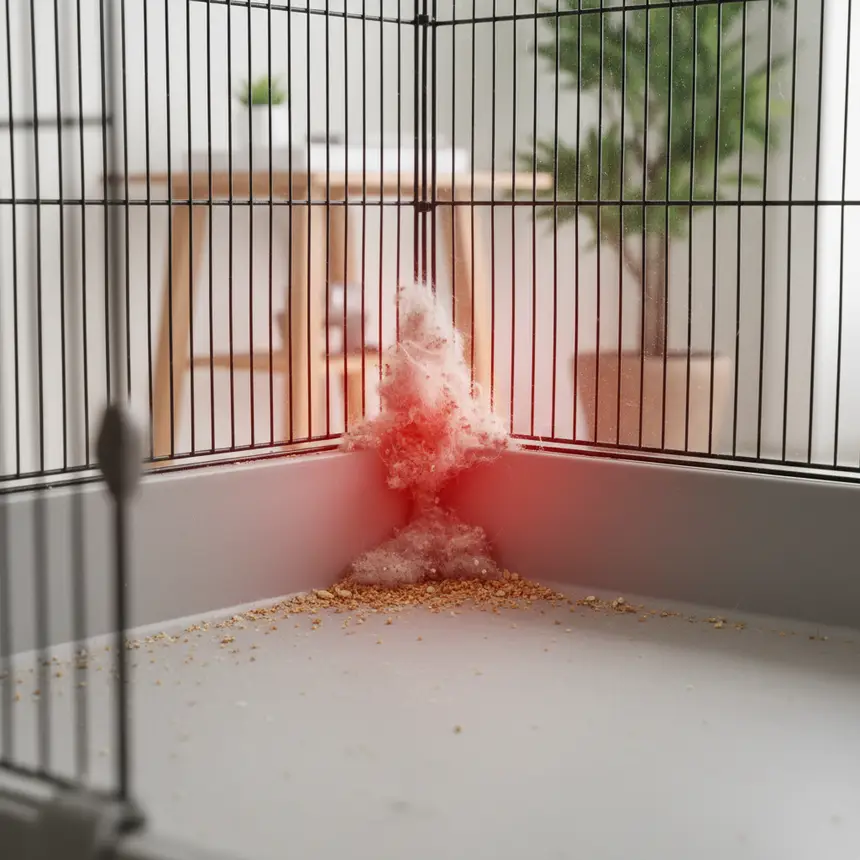
When a pet's living area is unkempt, it goes far beyond just looking untidy; it can lead to serious health issues. Over time, the accumulation of waste particles, fur, dust, and food crumbs becomes a breeding ground for bacteria, fungi, and parasites. These contaminants can be detrimental to your pet's respiratory health, and can also trigger skin infections or allergic reactions. In particular, humid conditions accelerate the growth of germs and mold, which not only cause unpleasant odors but also weaken your pet's immune system, making them more susceptible to various ailments. Maintaining a pristine pet living space isn't just about aesthetics; it's a critical factor directly tied to the quality of life for our furry, scaled, or feathered friends.
※ This post contains affiliate links. I may earn a commission at no extra cost to you.

Key Elements for Maintaining a Clean Pet Environment
The first step towards safeguarding your pet's health is to ensure their home is hygienically managed. To achieve this, several key elements require regular attention and improvement:
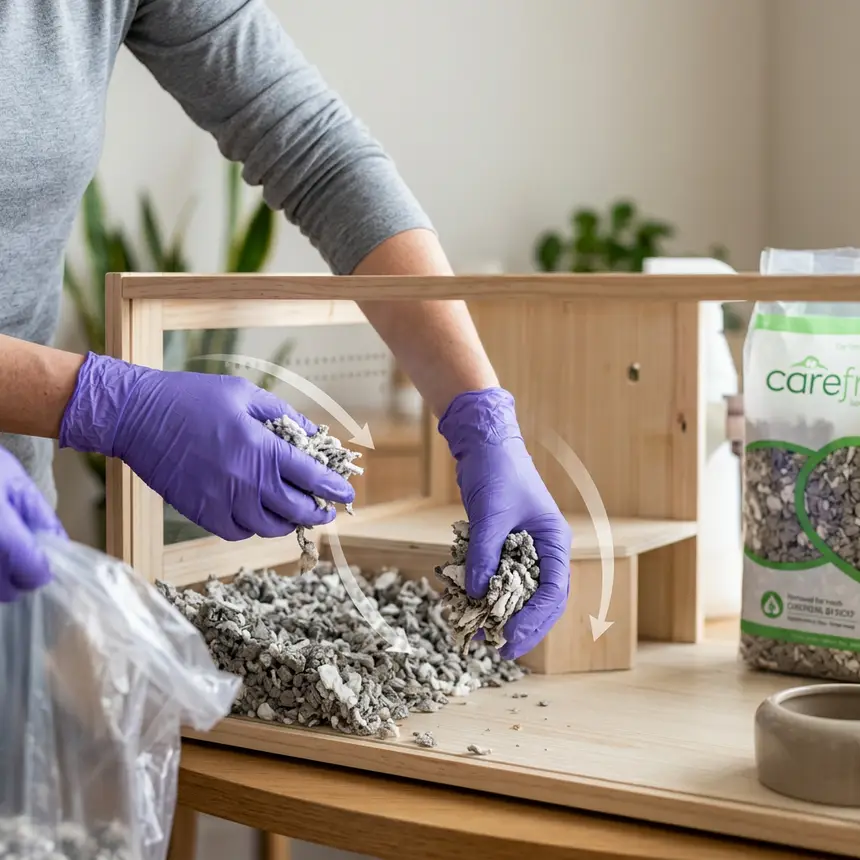
- Substrate and Bedding Management: Bedding materials or substrates can easily become soiled by waste and moisture. Rather than just spot-cleaning, regularly replace or wash them to maintain hygiene. Choosing materials with appropriate absorbency and ventilation for your specific pet is vital.
- Air Quality Improvement: In pet enclosures or active areas, fine dust and fur can easily accumulate in corners and crevices, often unseen. These can directly impact your pet's respiratory system, so thorough vacuuming and regular ventilation to bring in fresh air are essential.
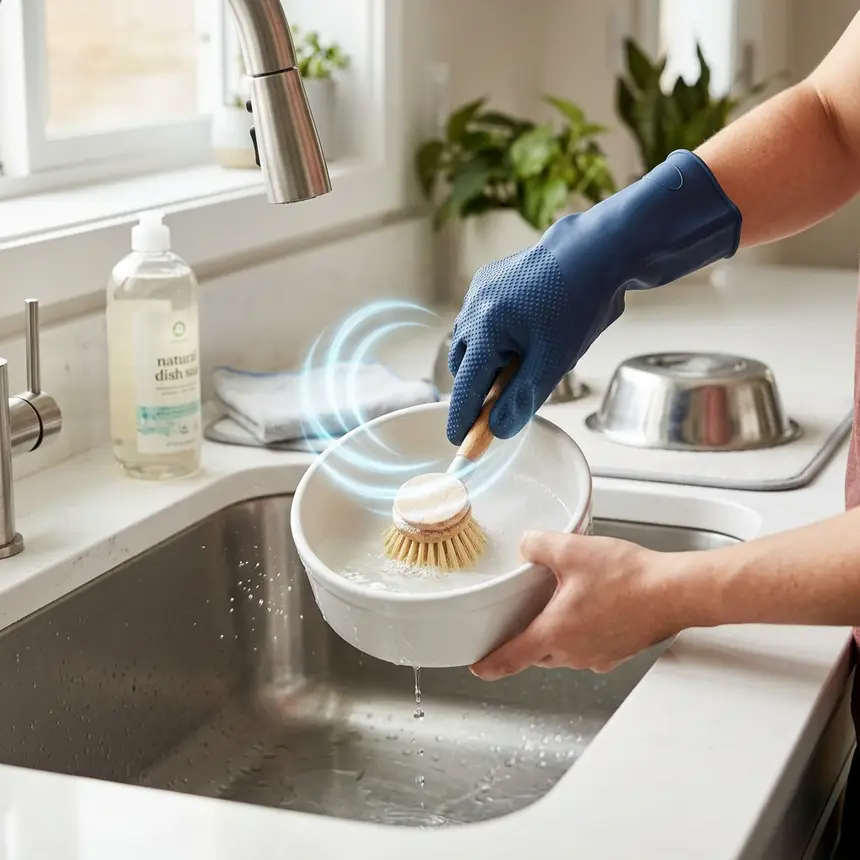
- Water and Food Dish Hygiene: Your pet's water bowl must always be clean. Refill it with fresh water daily, and make sure to wash and sanitize both water and food dishes frequently to prevent bacterial growth. Contaminated water can lead to digestive problems.
- Surface Cleaning: All frequently touched surfaces, such as enclosure glass, cage floors, and pet accessories, are prone to accumulating stains and contaminants. Use pet-safe cleaners to wipe them down regularly and allow them to dry completely. This improves visibility and overall cleanliness.
Practical Guidelines for Pet Habitat Cleaning
Establishing a systematic cleaning routine is crucial for effective pet environment management. Here’s a practical guide to help you:
1. Daily: Immediately remove waste and leftover food, wash water bowls, and refill with fresh water. Perform quick wipes to manage surface grime.
2. Weekly: Partially replace or wash bedding/substrate. Clean the interior walls and floor of the cage with a pet-safe cleaner and allow to dry. Also, wash food bowls and toys.
3. Monthly/Periodically: Completely replace all substrate or bedding. Empty the entire enclosure and vacuum all accumulated dust and debris from every corner. Clean and sanitize all decorations and structures. The key during this process is to meticulously clean even hard-to-reach crevices. Through consistent and thorough hygiene maintenance of your pet's habitat, your companion can enjoy a more comfortable and healthier life.
1. Daily: Immediately remove waste and leftover food, wash water bowls, and refill with fresh water. Perform quick wipes to manage surface grime.
2. Weekly: Partially replace or wash bedding/substrate. Clean the interior walls and floor of the cage with a pet-safe cleaner and allow to dry. Also, wash food bowls and toys.
3. Monthly/Periodically: Completely replace all substrate or bedding. Empty the entire enclosure and vacuum all accumulated dust and debris from every corner. Clean and sanitize all decorations and structures. The key during this process is to meticulously clean even hard-to-reach crevices. Through consistent and thorough hygiene maintenance of your pet's habitat, your companion can enjoy a more comfortable and healthier life.
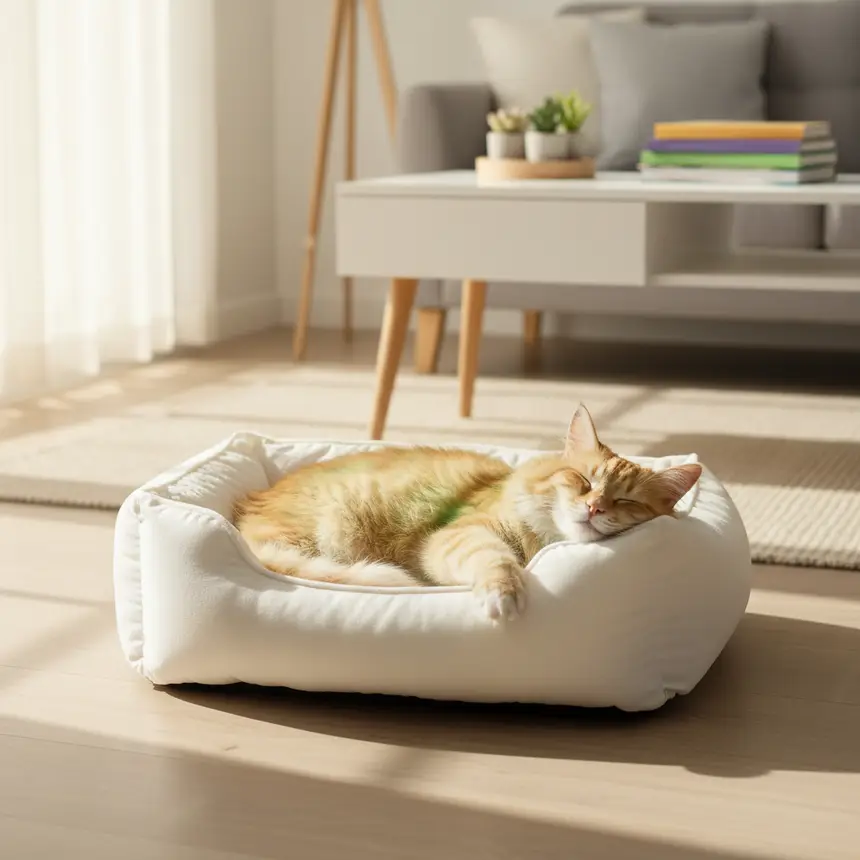
The Joy of a Clean Environment: Enhancing Your Pet's Quality of Life
Providing a clean and hygienic environment for your pet is more than just a duty; it bestows upon them a profound sense of security and happiness. In a well-maintained space, pets experience less stress and exhibit more vitality and health. This, in turn, brings immense joy and peace of mind to their guardians. Starting today, make habitat cleanliness a vital habit in your daily routine. Consistent effort and attention build a strong foundation for your pets to stay happy and healthy by your side for many years to come. Your pet's health begins with your hands. Take action now to create a pristine space for your beloved companion!
Frequently Asked Questions
Q. How often should I clean my pet's habitat?
A. While it varies by pet type, size, and habits, generally, daily waste removal and water changes, weekly partial bedding replacement and surface cleaning, and monthly thorough deep cleaning are recommended.
Q. What kind of cleaning products are safe to use for pet habitats?
A. Always use cleaning products specifically formulated and deemed safe for pets. Avoid harsh chemical cleaners as they can be harmful. After cleaning, rinse thoroughly with clean water multiple times and ensure everything is completely dry to prevent residue.
Q. How does habitat cleanliness affect a pet's behavior?
A. A clean environment reduces pet stress and provides a sense of security. Conversely, an unsanitary environment can lead to negative behavioral changes like increased anxiety, aggression, or reclusive behavior, sometimes stemming from underlying health issues.
Q. What are effective ways to eliminate unpleasant odors from a pet's living space?
A. The most crucial step is to immediately remove and replace the source of the odor, such as waste or soiled bedding/substrate. Regular cleaning and ventilation are key. Pet-safe deodorizers can help, but addressing the root cause is essential for odor elimination.
Q. How does humidity control relate to cleanliness in a pet enclosure?
A. Maintaining appropriate humidity is vital for certain pets, but excessive humidity can promote bacterial and fungal growth. Even when humidity control is necessary, strictly adhere to bedding replacement schedules and ensure good ventilation to maintain both comfort and cleanliness.