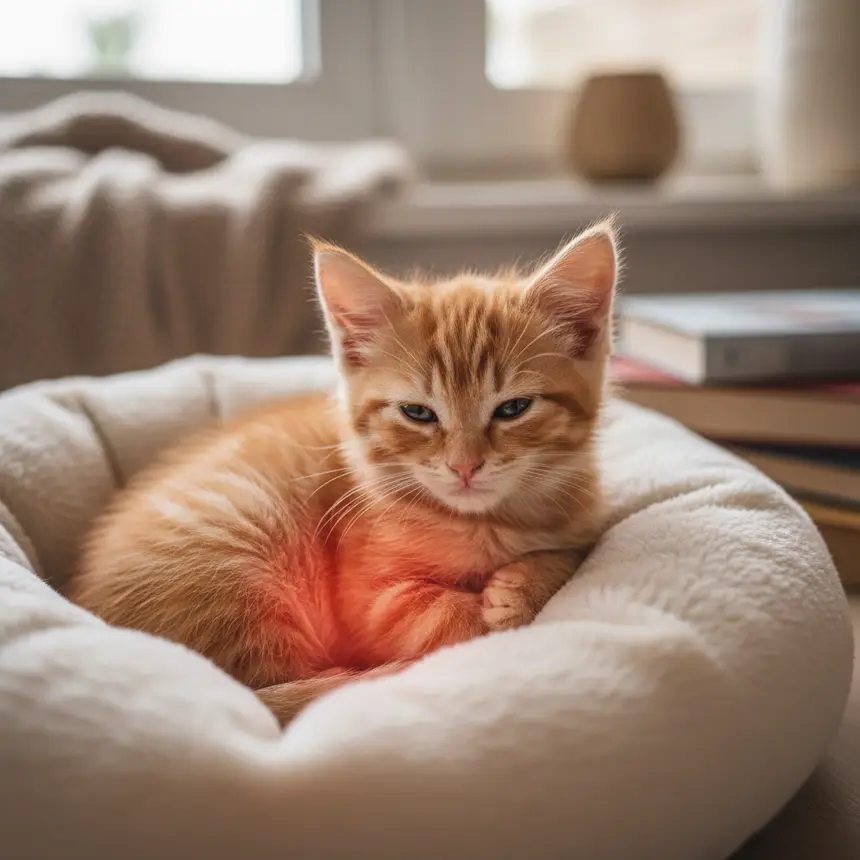
Struggling with pet fur and odors? Discover essential tips and practices for maintaining optimal indoor air quality for a healthy home with your pets.
Find practical ways to create a better environment for both pets and their guardians.

H2. The Crucial Role of a Pleasant Indoor Environment for Pets
When sharing your home with pets, the quality of indoor air significantly impacts the health and well-being of both you and your animal companions. Pet shedding and distinctive pet odors are common concerns for many pet guardians. These issues can go beyond mere discomfort, potentially affecting your pet's respiratory health or triggering allergic reactions in humans. Proper indoor air quality management is the first step towards ensuring your pets lead healthier lives and you can enjoy a pleasant environment. Clean air also contributes to your pet's vitality and can refresh the overall ambiance of your home.
H2. Understanding and Managing Pet-Related Indoor Air Pollutants
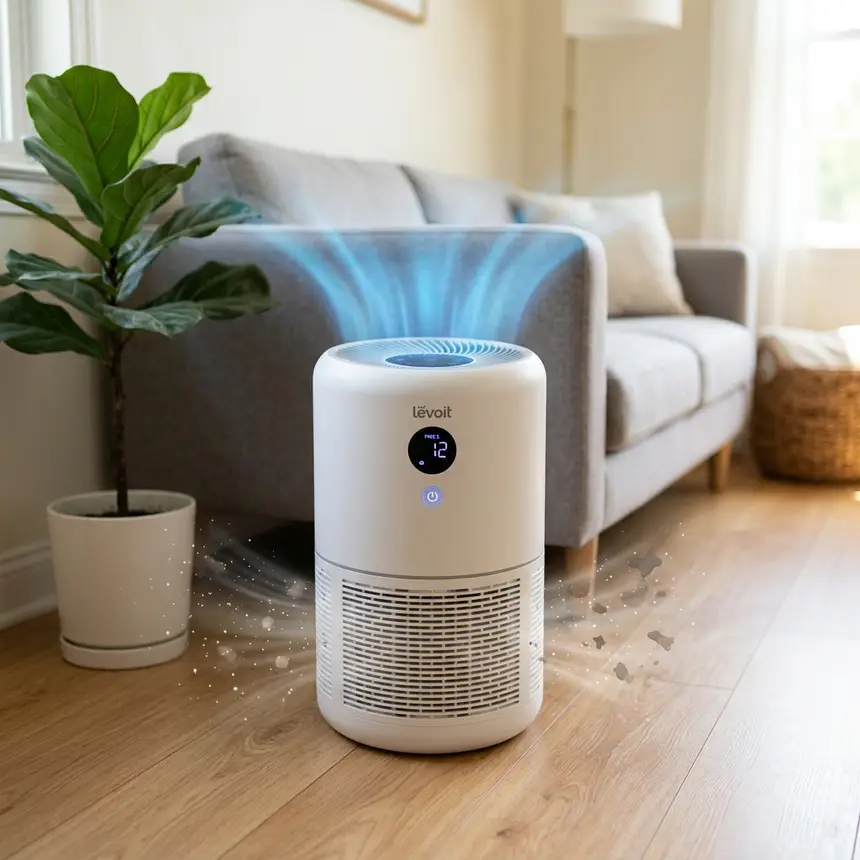
Indoor air pollutants associated with pets can generally be categorized into two main types. First are particulate matters such as fine dander shedding from pets' fur and skin, along with external dust. These microscopic particles can float in the air, be inhaled, or accumulate on furniture, leading to hygiene issues. Second are unpleasant odors caused by volatile organic compounds (VOCs) like ammonia and hydrogen sulfide, originating from pet body odor or waste. Effective indoor air quality management relies on controlling both particulate and gaseous pollutants simultaneously. For instance, the optimal effect can be expected when physical filtration methods that capture fine airborne particles are combined with chemical filtration methods that absorb and remove odor-causing substances. Regular air circulation is also vital in preventing pollutants from stagnating.
※ This post contains affiliate links. I may earn a commission at no extra cost to you.

H2. Practical Strategies for Solving Pet Fur and Odor Problems
To effectively manage indoor air quality issues caused by pets, it's crucial to implement a combination of methods. Here are some practical steps you can take:
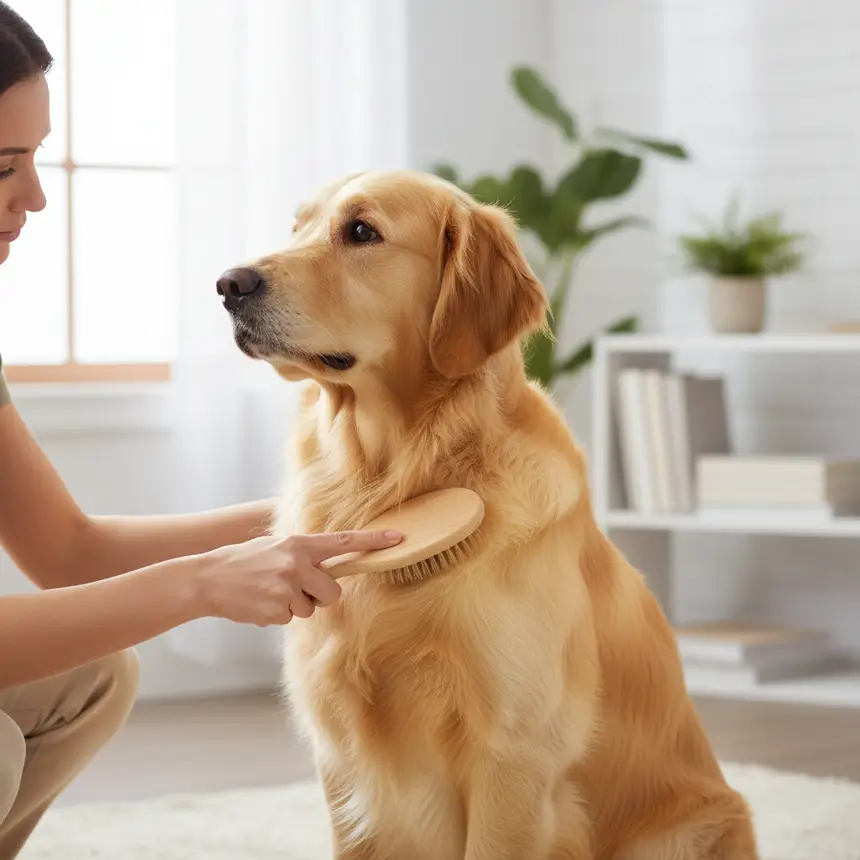
- Regular Grooming: Brushing your pet to remove dead fur is the most basic way to reduce shedding indoors. It's especially beneficial to brush more frequently during shedding seasons.
- Thorough Cleaning Habits: Pet fur and dander easily accumulate not only on floors but also on furniture, bedding, and throughout the house. Vacuum at least 2-3 times a week with a powerful vacuum cleaner, and follow up with damp mopping to remove fine dust effectively.
- Make Ventilation a Habit: Opening windows for natural ventilation 2-3 times a day for at least 10 minutes is essential for reducing indoor pollutant concentrations and introducing fresh air. Be careful to ensure your pet isn't directly exposed to strong drafts during ventilation.
- Utilize Air Purification Devices: Using pet-friendly air purification systems can effectively manage airborne fur, fine dust, and odor-causing substances. It's important to understand and consistently maintain them, including filter replacement schedules.
- Pet Hygiene Maintenance: Regular bathing, oral care, and ear cleaning for your pet also help reduce body odor. Always use pet-specific products to minimize skin irritation.
H2. Key Considerations and Recommended Audiences for a Better Pet-Friendly Home
For a more pleasant and healthy life with your pets, several important considerations should be kept in mind:
These efforts will contribute to a better quality of life for both pets and their guardians.
- Caution When Choosing Products: When selecting devices for indoor air quality management, always verify that they do not produce harmful ozone or other byproducts that could be detrimental to your pets. Choosing devices with low noise levels can also help reduce pet stress.
- The Importance of Consistent Maintenance: Regardless of the method chosen, consistency is paramount. Regular cleaning, ventilation, and necessary device maintenance are required to continuously maintain a pleasant environment.
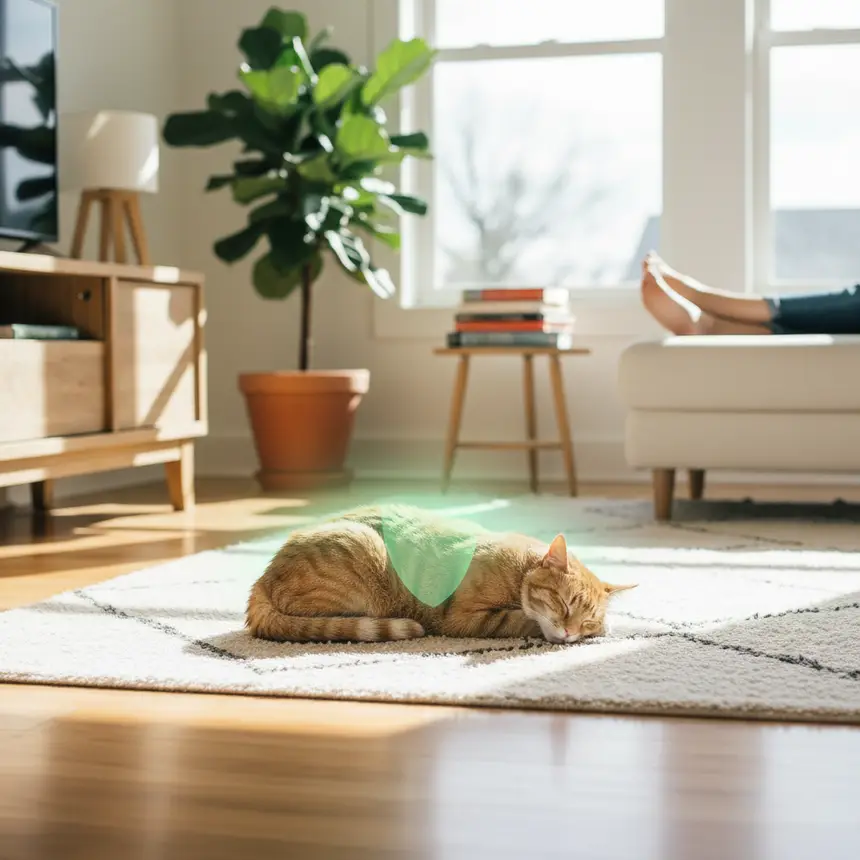
- Recommended For: Active indoor air quality management is particularly recommended for guardians who:
- Have breeds that shed heavily or multi-cat households.
- Are concerned about distinctive pet odors.
- Live in environments where ventilation is difficult, such as apartments or studio flats.
- Have family members or pets sensitive to respiratory health issues.
- Wish to improve the overall air quality in their home.
These efforts will contribute to a better quality of life for both pets and their guardians.
Frequently Asked Questions
Q. Why is indoor air quality management important for pets?
A. Pet fur, dander, and odors from waste can impact the respiratory health of both pets and guardians. Clean indoor air is essential for keeping pets healthy and improving the quality of life for pet owners.
Q. How can I reduce pet hair shedding in my home?
A. Regular brushing to remove dead fur and frequent cleaning with a high-performance vacuum are crucial. Utilizing an air purification system that captures airborne hair is also effective.
Q. What are effective ways to eliminate pet odors indoors?
A. Ensure daily ventilation, maintain your pet's hygiene diligently, and frequently change litter boxes or potty pads. Using an air purification system with odor-absorbing features can be very beneficial.
Q. What should I be careful about when using air purification devices in a pet household?
A. Check if the device does not produce ozone and choose one with a low-noise mode so as not to startle your pet. Consistent maintenance, including filter replacement, is also important.
Q. Is air quality management for pets more important in small homes or apartments?
A. Yes, in smaller spaces or apartments where natural ventilation is often limited, pollutants can accumulate more easily. Therefore, more proactive indoor air quality management is necessary.