Discover essential care tips for your senior rabbit's comfort. Learn how to create joint-friendly resting spaces and provide safe mobility solutions to enhance your rabbit's quality of life in their golden years.

Creating a Comfortable Environment Elevates the Quality of Life for Senior Rabbits
As pets age, they require thoughtful considerations to accommodate their changing physical needs. In senior rabbit care, one of the most critical aspects is safeguarding their joint health and maximizing daily comfort. By providing appropriately elevated resting spots and secure mobility aids, rabbits can maintain their joy in activity while reducing physical strain. This offers more than just physical support; it contributes to their mental well-being and overall life satisfaction. A comfortable and safe environment is a key factor in helping senior rabbits enjoy a more active and fulfilling later life.
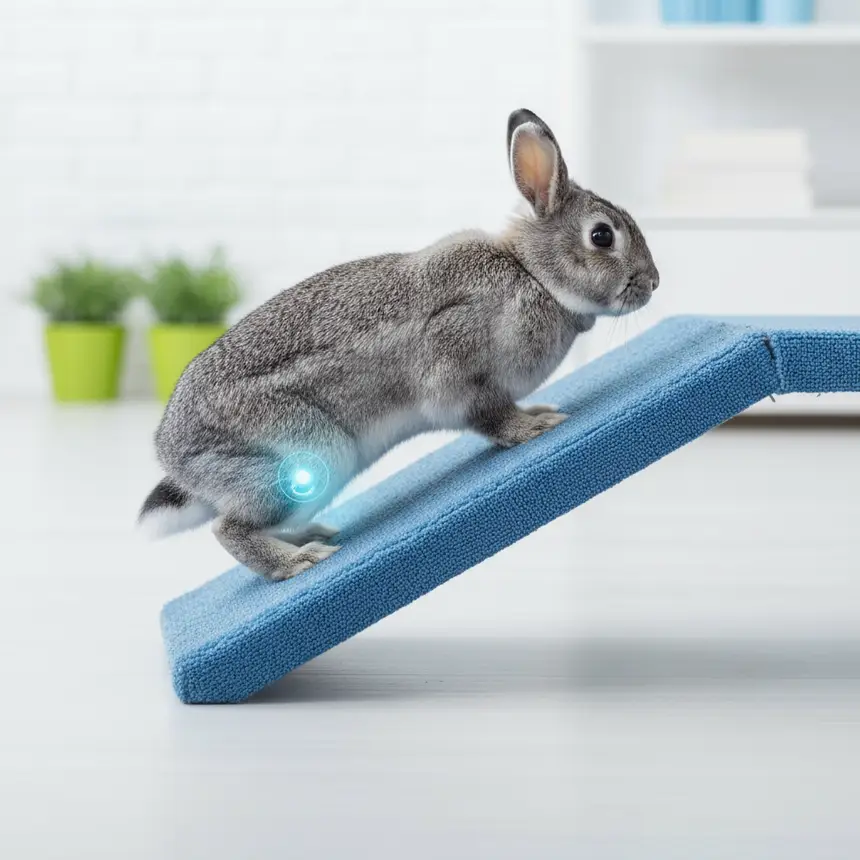
Customized Resting Spaces and Mobility Aids for Joint Protection
Senior rabbits' joints are more susceptible to wear and tear than those of younger rabbits, and jumping down from high places or resting in awkward positions can strain them. To prevent this, providing soft, low-profile cushion mats or specialized beds, along with gently sloped ramps or steps for mobility, can be highly effective. These aids help rabbits easily access their favorite elevated spots and cushion impact upon landing, minimizing stress on their joints. A wide range of pet products is available; it's crucial to select items of suitable size and material, considering your rabbit's build, habits, and the characteristics of the installation area. For instance, choosing materials with anti-slip properties and ease of cleaning will also assist with hygiene management.
※ This post contains affiliate links. I may earn a commission at no extra cost to you.

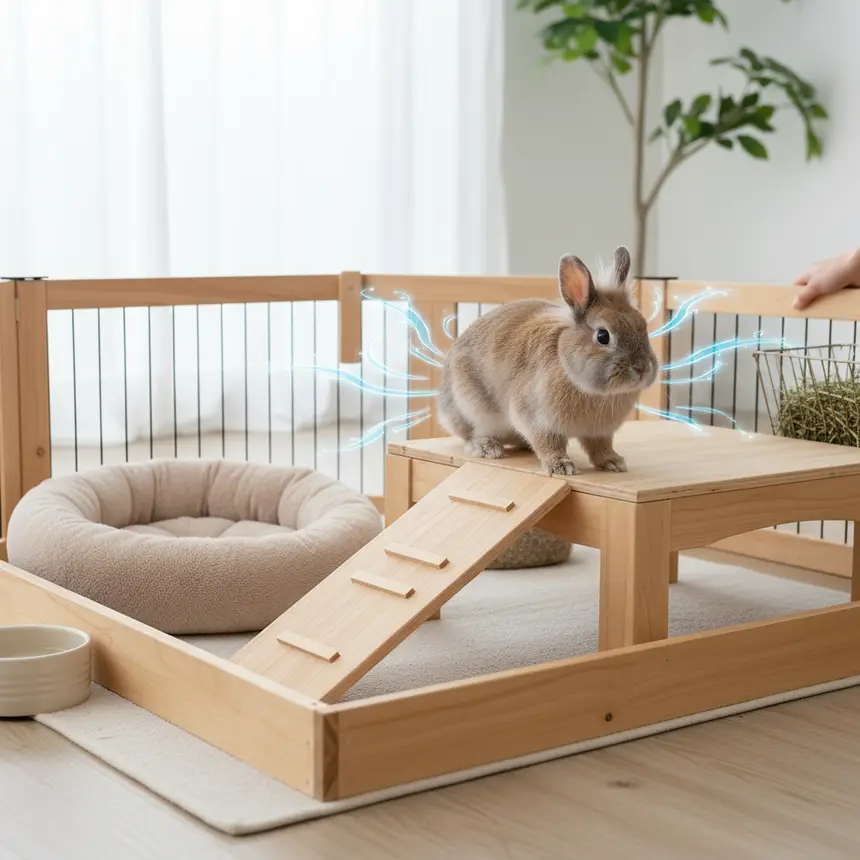
Practical Guide to Creating a Safe and Comfortable Environment
When setting up an environment for senior rabbits, you can utilize several practical tips. First, place soft, low-height mats or beds in frequently used jumping spots or sleeping areas to reduce landing impact and encourage comfortable rest. For example, place a gentle ramp in front of furniture or shelves your rabbit frequently climbs to ensure safe access. Second, when introducing new items, your rabbit might be unfamiliar; it's good to entice them with treats or place their favorite toys nearby to create a positive association. Third, it's essential to ensure the floor isn't slippery by laying down carpets or non-slip mats. Senior rabbits, in particular, may have reduced balance, and slippery floors can increase the risk of injury. These small changes can significantly impact your senior rabbit's safety and comfort.
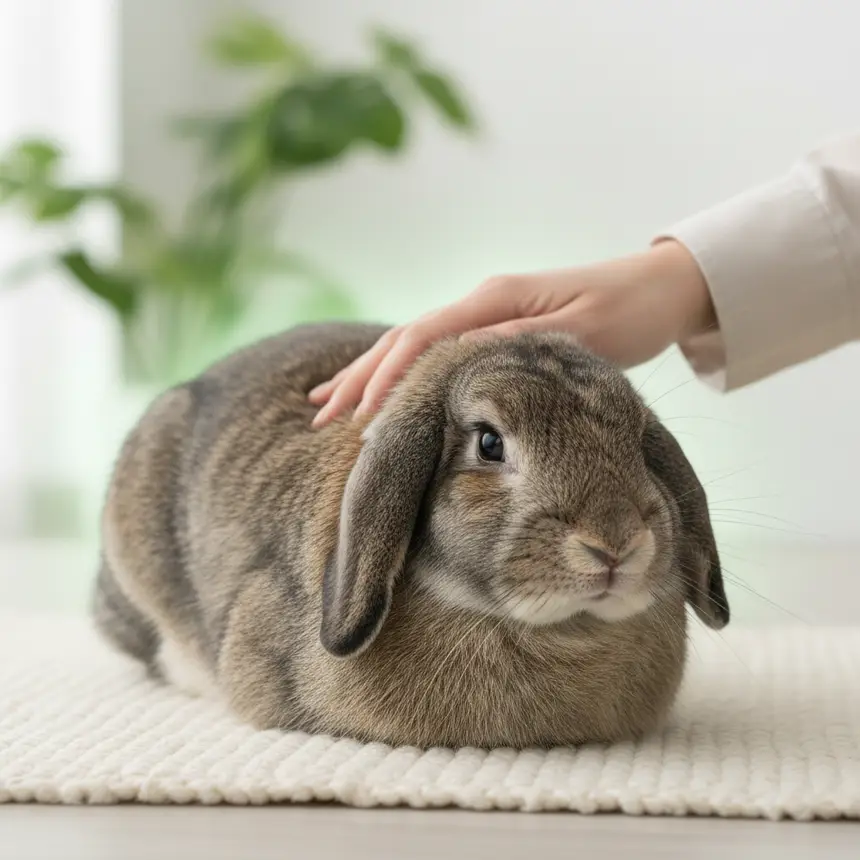
Observant Care and Continuous Management for Your Aging Rabbit
Caring for senior rabbits demands ongoing attention and observation. Even after installing new resting spaces or mobility aids, it's crucial to carefully monitor whether your rabbit utilizes them well and if there are any signs of discomfort. If your rabbit avoids using new tools, it's necessary to identify the cause and try to improve the situation. For instance, you might check if the ramp's angle is too steep or if the material is too slippery. Such considerations are especially recommended for rabbits showing signs of joint issues, those with a habit of preferring high spots, or simply any senior rabbit that would benefit from a stable resting place. As pets age, the owner's understanding and efforts regarding their physical changes play a decisive role in ensuring a happy senior life for their companion.
Frequently Asked Questions
Q. What is the first consideration for protecting a senior rabbit's joint health?
A. The primary consideration for protecting a senior rabbit's joint health is to reduce the impact from jumping or leaping down from high places. It's crucial to create an environment with soft, low-level resting areas and gentle ramps to prevent strain on their joints.
Q. What should I do if my rabbit refuses to use a new bed or ramp?
A. If your rabbit shows reluctance towards new accessories, try luring them with treats or placing their favorite toys nearby to create a positive association. It's also advisable to re-check if the stability, material, and height of the accessory are suitable for your rabbit.
Q. What should I look for when choosing mobility aids for a senior rabbit?
A. When selecting mobility aids, ensure they have anti-slip features, are stable enough for your rabbit's weight, and are made from easy-to-clean materials. The ramp's angle should be gentle enough for your rabbit to ascend and descend comfortably.
Q. When is a rabbit considered to need special care due to age?
A. While it varies by breed and individual, rabbits typically enter their senior years around 5-6 years of age. Special care should be considered when you start observing signs of aging, such as decreased activity, increased sleep, changes in grooming habits, or altered eating patterns.