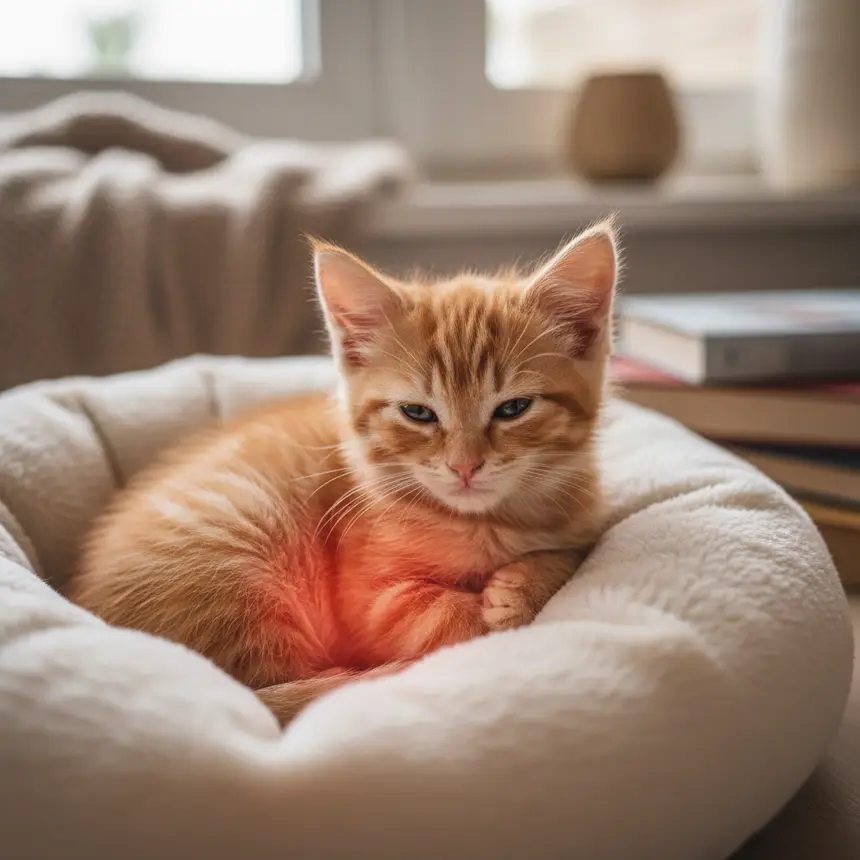
Understanding your cat's kidney health is crucial for their longevity. Learn about subtle early signs of kidney issues, essential dietary management, and lifestyle tips from a pet health expert to keep your feline friend thriving.

Unveiling the Silent Threat: Is Your Cat's Kidney Health at Risk?
Life with a feline companion brings immense joy, yet concerns about their well-being, particularly kidney health, often weigh on pet parents. Cats are masters at concealing discomfort, making early detection of kidney function decline incredibly challenging. Subtle shifts in their behavior or habits are frequently dismissed as mere quirks, allowing underlying issues to progress unnoticed. This silent progression can lead to advanced stages of kidney problems, significantly impacting your cat's quality of life. If your beloved feline shows even minor deviations from their usual self, it could be a quiet alarm bell signaling a need for attention. Your vigilant observation and understanding are the first crucial steps in safeguarding your cat's long-term health and happiness.
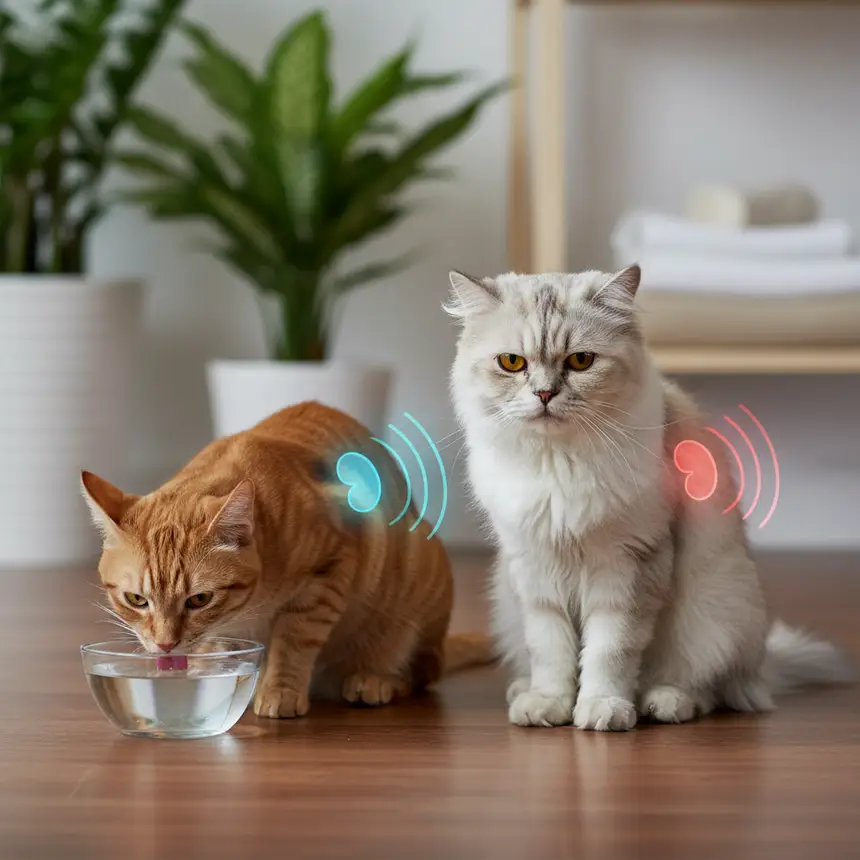
Understanding Feline Kidneys: Functions and Key Risk Factors
Your cat's kidneys are vital organs, diligently filtering waste from the blood, maintaining fluid and electrolyte balance, and even playing a role in blood pressure regulation. This makes their proper functioning indispensable for overall health. A primary reason these crucial organs may weaken is the natural aging process. Kidney function decline becomes more common in senior cats, typically those aged seven years and older, as kidney cell function gradually diminishes over time. Genetic predispositions or complications from other health conditions can also place undue stress on these organs. Crucially, chronic insufficient water intake is a significant contributor to kidney strain, gradually impairing their efficiency. When kidneys fail to perform their duties effectively, waste products accumulate in the body, leading to a range of health issues, including reduced vitality and decreased appetite, ultimately lowering your cat's quality of life.
※ This post contains affiliate links. I may earn a commission at no extra cost to you.

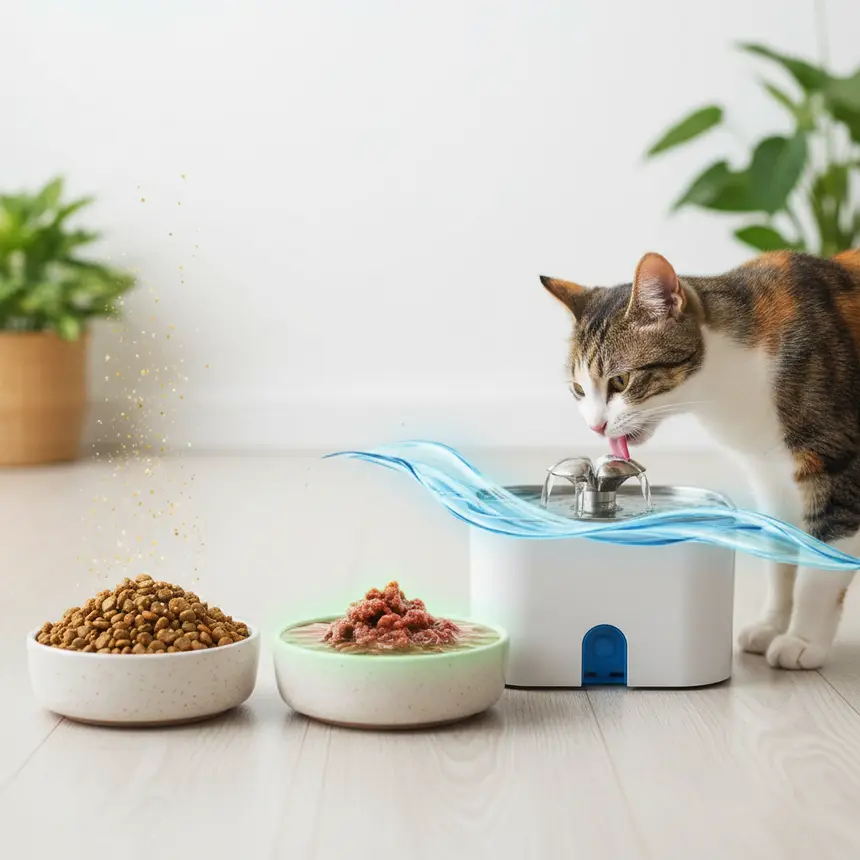
Practical Strategies for Supporting Your Cat's Kidney Health
Maintaining your cat's kidney health requires a comprehensive approach encompassing both diet and daily lifestyle habits. Foremost is nutritional management, which focuses on reducing the burden on their kidneys. Opting for diets with controlled levels of protein, phosphorus, and sodium is highly recommended. This approach minimizes the amount of metabolic waste products the kidneys must process, thereby supporting long-term kidney function. Secondly, adequate hydration is absolutely critical. Encourage your cat to drink more water by placing multiple water bowls in various accessible locations or investing in a pet water fountain if they prefer flowing water. Incorporating wet food into their diet or adding a small amount of water to dry kibble can also significantly boost their fluid intake. Lastly, regular veterinary check-ups are pivotal for early detection. Schedule at least an annual check-up, and for senior cats, twice a year is advisable, to include blood and urine tests. These screenings can catch subtle changes in kidney function early, allowing for timely and appropriate intervention.
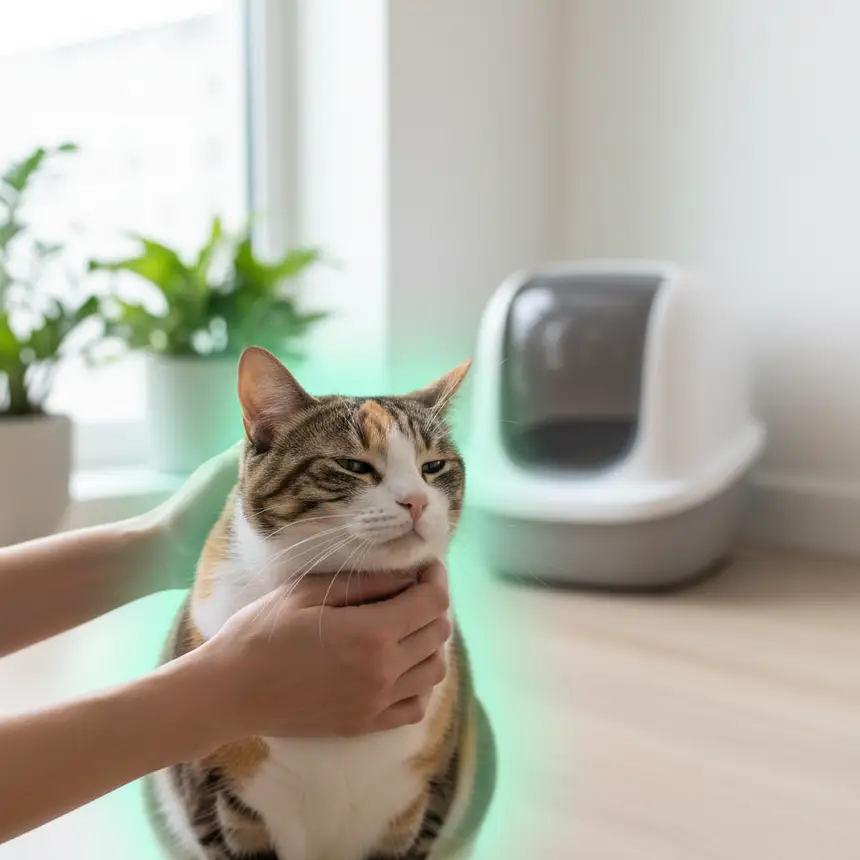
Your Ongoing Commitment: The Cornerstone of Your Cat's Kidney Well-being
Nurturing your cat's kidney health isn't a one-time effort; it's a continuous journey fueled by your consistent care and affection. Beyond dietary adjustments, enhanced hydration, and routine veterinary visits, several daily practices can make a significant difference. Make it a habit to regularly clean the litter box while observing your cat's urine output, color, and frequency. Changes in urination patterns can be crucial indicators of kidney health. Pay close attention to any shifts in your cat's vitality or appetite. If they seem more lethargic than usual or show a decreased interest in food, these could be signs of physical discomfort. Consistently documenting these minor changes and sharing them with your veterinarian can greatly assist in accurate diagnosis and the formulation of an effective management plan. Your deep understanding and unwavering dedication are essential for ensuring your beloved feline lives a longer, healthier, and happier life by your side.
Frequently Asked Questions
Q. What is the best way to arrange water bowls for my cat's kidney health?
A. Place multiple water bowls in various easily accessible locations and ensure the water is fresh and clean daily. Cats often prefer running water, so a pet water fountain can be an excellent option. For hygiene, glass or stainless steel bowls are recommended over plastic.
Q. Are there specific extra precautions for senior cats regarding kidney health?
A. Senior cats may experience natural kidney function decline, so semiannual veterinary check-ups are vital to monitor their kidney status. It's crucial to increase their water intake and discuss specialized kidney-supportive diets with your veterinarian. Pay extra attention to subtle changes like sudden weight loss or decreased activity levels.
Q. Can supplements help my cat's kidney health?
A. While some supplements might support feline kidney health, it's imperative to consult your veterinarian before administering any. The appropriate product varies based on your cat's individual health status and needs; unnecessary or incorrect supplements could be harmful. A balanced diet and sufficient hydration should always be the foundational approach.
Q. What if my cat doesn't drink enough water?
A. Try offering various water sources: different types of bowls (ceramic, stainless steel, glass), varying water levels, or different locations. You can add a tiny, safe amount of a flavor your cat likes (e.g., tuna juice, check safety first) to the water, or increase the proportion of wet food in their diet. Encouraging play to increase activity and thirst can also be helpful.