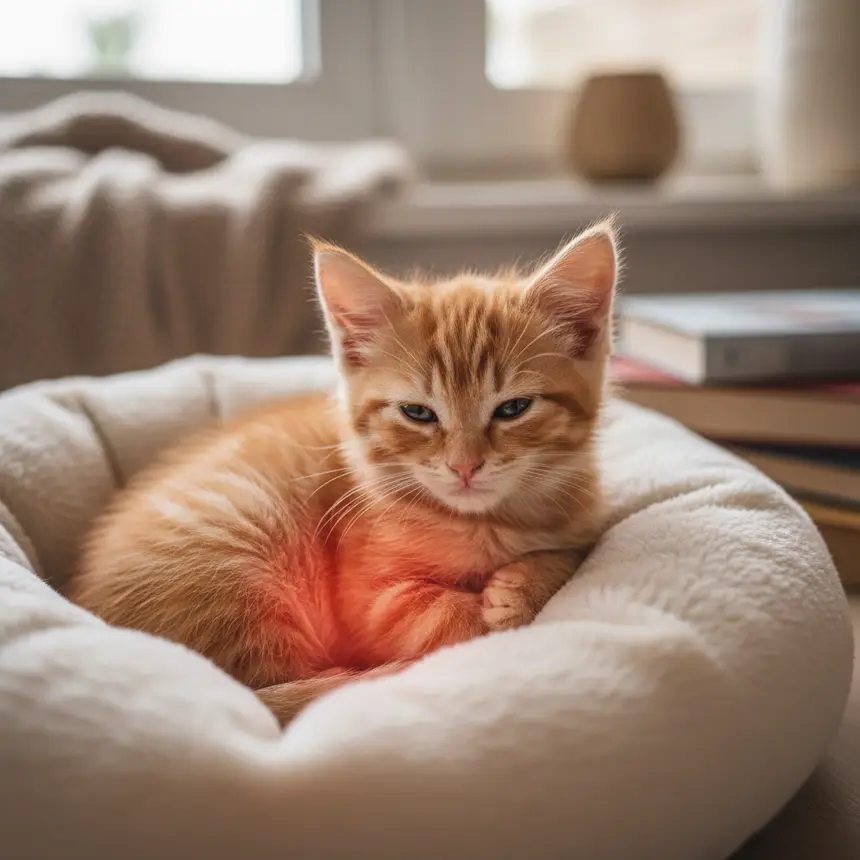
Is your cat's early morning meowing disrupting your sleep? Discover effective strategies to understand and resolve this common feline behavior by addressing biological rhythms, environmental factors, and learned habits. Get practical tips for peaceful mornings for both you and your beloved cat.

Reclaiming Your Sleep: Understanding Early Morning Cat Vocalizations
The familiar sound of a cat meowing loudly in the early hours can be a significant sleep disruptor for many pet parents. While often attributed solely to hunger, simply offering food can inadvertently reinforce this behavior, leading to a cycle of disturbed nights for you and an irregular routine for your feline companion. Early morning vocalizations and increased activity in cats are rarely due to just an empty food bowl. They typically stem from a combination of underlying factors. By accurately identifying these root causes and implementing appropriate strategies, both you and your cat can look forward to calm, predictable mornings. Let's explore how to address your cat's early morning meows, paving the way for undisturbed nights and energetic days. A deeper understanding of your cat's natural behaviors is fundamental to a harmonious household.
Unpacking the Three Core Reasons Behind Your Cat's Dawn Chorus
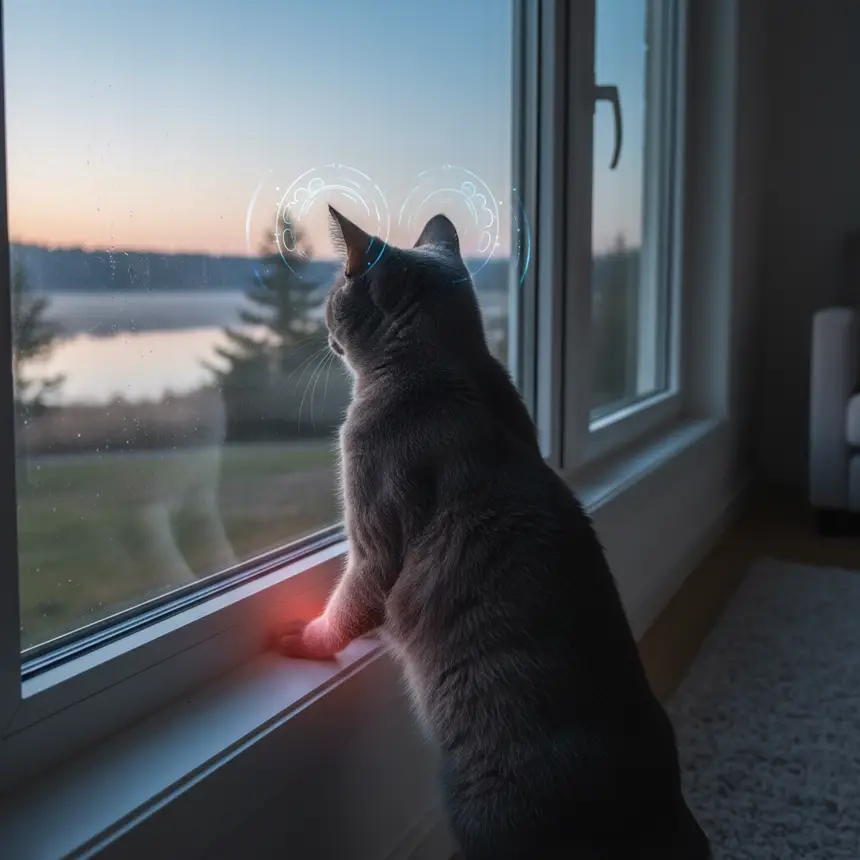
Early morning vocalizations in cats usually arise from an interplay of three primary elements. Firstly, their inherent biological rhythm plays a crucial role. Cats are crepuscular animals, meaning they are naturally most active during dusk and dawn. Therefore, waking up and becoming active as the sun begins to rise is a deeply ingrained instinct. If a cat hasn't had sufficient stimulation or playtime during the day, this pent-up energy often manifests during these early morning hours. Secondly, environmental factors can be significant triggers. Subtle sounds, a sliver of light peeking through curtains, or even a closed bedroom door can easily rouse a cat. Furthermore, if a cat's access to preferred high perches or observation points is restricted, they might express their discomfort or anxiety through meows. Thirdly, learned behaviors, specifically attention-seeking, are powerful drivers. If a cat learns that vocalizing leads to immediate attention from their human—even a glance or a soft word—they will continue and escalate this behavior. Any form of response, however minimal, can be perceived by the cat as a successful outcome, thereby strengthening the habit.
※ This post contains affiliate links. I may earn a commission at no extra cost to you.

Practical Strategies for a Peaceful Dawn with Your Feline Friend
Implement these practical steps to manage your cat's early morning vocalizations effectively.
1. Optimize Feeding Schedule and Portions: Review your cat's total daily food intake and adjust the dinner timing. Consider offering a small, final portion of their meal or a treat about an hour before your bedtime. This can help alleviate hunger pangs during the night. Adult cats might start feeling hungry if more than 8 hours pass since their last meal.
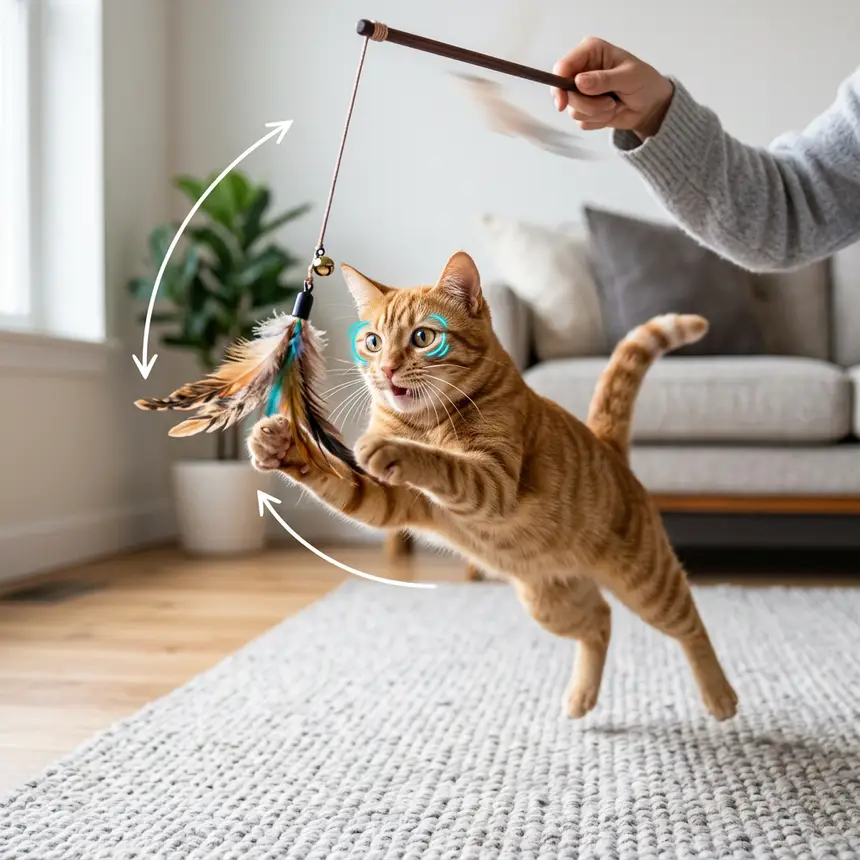
2. Ensure Ample Daytime Activity and Play: It's vital to help your cat expend enough energy during their waking hours. Engage them in interactive play sessions using wand toys or laser pointers for 10-15 minutes, two to three times a day. A vigorous play session followed by a meal 30-60 minutes before bedtime can help them wind down, use up energy, and settle into a peaceful rest.
3. Create an Optimal Sleep Environment: Minimize environmental stimuli that might awaken your cat. Use thick, blackout curtains to block external light completely. If your cat is sensitive to small noises, consider using a white noise machine to mask external sounds. Providing a cozy, secure resting spot where your cat feels safe and comfortable can also be beneficial.
4. Maintain Consistent Responses: When your cat vocalizes in the early morning, it's crucial to avoid any reaction for the first 3-5 days. Consistently ignore them—no eye contact, no talking, no movement. While the behavior might initially intensify, patient and persistent adherence to this strategy will gradually lead to a reduction in meowing.
1. Optimize Feeding Schedule and Portions: Review your cat's total daily food intake and adjust the dinner timing. Consider offering a small, final portion of their meal or a treat about an hour before your bedtime. This can help alleviate hunger pangs during the night. Adult cats might start feeling hungry if more than 8 hours pass since their last meal.
2. Ensure Ample Daytime Activity and Play: It's vital to help your cat expend enough energy during their waking hours. Engage them in interactive play sessions using wand toys or laser pointers for 10-15 minutes, two to three times a day. A vigorous play session followed by a meal 30-60 minutes before bedtime can help them wind down, use up energy, and settle into a peaceful rest.
3. Create an Optimal Sleep Environment: Minimize environmental stimuli that might awaken your cat. Use thick, blackout curtains to block external light completely. If your cat is sensitive to small noises, consider using a white noise machine to mask external sounds. Providing a cozy, secure resting spot where your cat feels safe and comfortable can also be beneficial.
4. Maintain Consistent Responses: When your cat vocalizes in the early morning, it's crucial to avoid any reaction for the first 3-5 days. Consistently ignore them—no eye contact, no talking, no movement. While the behavior might initially intensify, patient and persistent adherence to this strategy will gradually lead to a reduction in meowing.
Patience and Prudence: Navigating Your Cat's Early Morning Habits
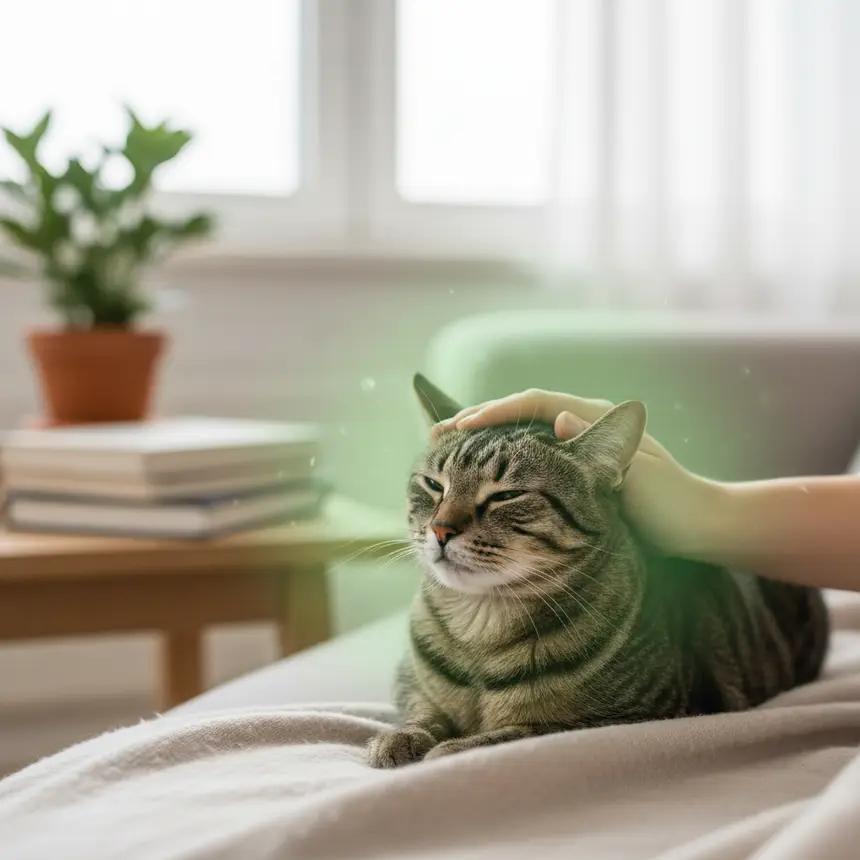
The journey to improving your cat's early morning vocalizations requires patience. Every cat adapts at its own pace, so consistency in your approach is key. If, after several days to weeks of consistent effort, you observe no improvement, or if your cat exhibits other unusual health signs (such as weight loss or changes in appetite), it's wise to consult with a veterinary professional or a certified animal behaviorist. They can rule out any underlying medical conditions or offer tailored behavioral guidance. The strategies outlined here are particularly beneficial for owners whose cats consistently vocalize in the early hours, demand attention even after eating, or show signs of insufficient daytime activity or sensitivity to environmental changes. A cat's behavior often reflects their overall health, environment, and interaction with their human companions. Therefore, rather than merely suppressing undesirable behaviors, it's essential to understand and address their root causes for a truly harmonious household.
Frequently Asked Questions
Q. My cat meows early in the morning; could it really not be hunger?
A. While hunger is a possibility, if the meowing occurs consistently at the same time each day, it's more likely related to their biological rhythm, environmental triggers, or a learned behavior to seek attention. If it's less than 8 hours since their last meal or they only eat a few bites before resuming activity, it might not be true hunger.
Q. Is ignoring my cat when they meow early in the morning truly effective?
A. Yes, consistent ignoring is crucial. Cats can have their behavior reinforced by even small reactions from you. It's important to show no response at all for the first 3-5 days, even if the meowing initially intensifies, for it to be effective in the long run.
Q. Should I give my cat more food at night to stop early morning meows?
A. Instead of increasing the total food amount, try adjusting their dinner time or offering a small treat before bedtime to reduce overnight hunger. Excessive food can lead to weight gain.
Q. Will playing with my cat enough during the day reduce early morning meows?
A. Yes, ensuring your cat expends sufficient energy during the day can reduce their need to release pent-up energy in the early morning, thereby decreasing nocturnal activity. Active play sessions just before bedtime are particularly effective.