Welcoming a new puppy? Understand the crucial puppy vaccination schedule and essential post-vaccine care tips. Ensure your furry friend builds strong immunity for a lifetime of health and happiness.

Welcoming Your New Puppy: The Critical Role of Vaccinations
Bringing a new puppy home is an incredibly exciting and joyous occasion, marking the beginning of a wonderful journey together. Alongside all the puppy snuggles and playful moments, comes the significant responsibility of ensuring your new family member's health and well-being. Young puppies, in particular, have developing immune systems, making them vulnerable to various illnesses. One of the most fundamental steps to safeguard your puppy's health during this delicate stage is through a comprehensive vaccination program. But when should your puppy start their vaccinations, and what crucial steps should you take before and after to keep them safe? This guide will walk you through the essential puppy vaccination schedule and effective care strategies.
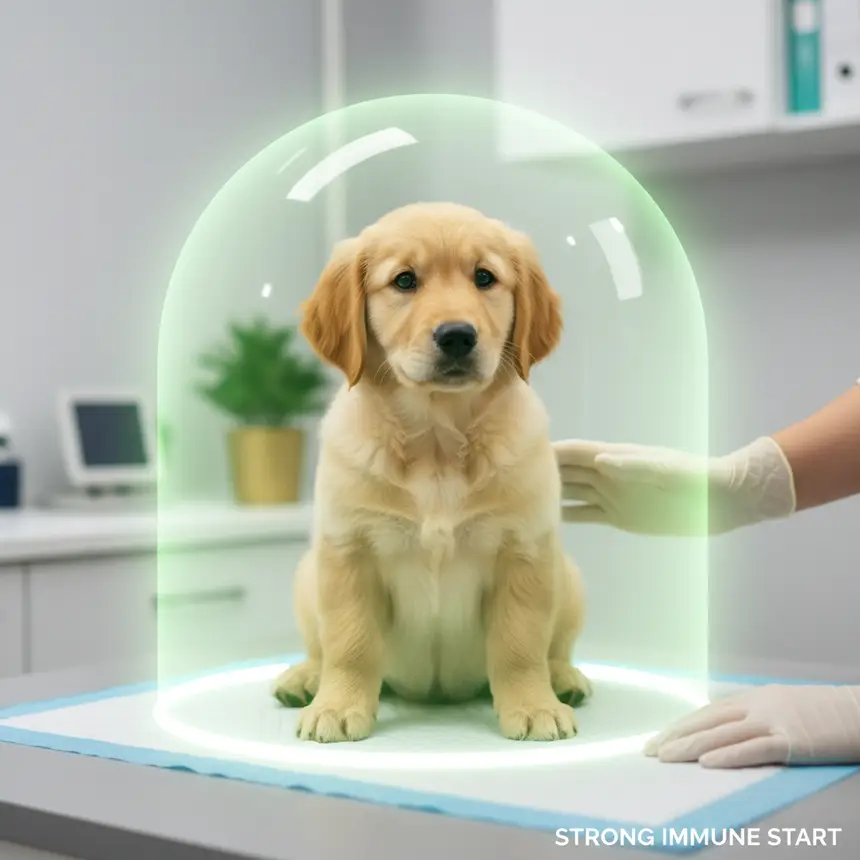
Why Vaccinations Are Non-Negotiable for Young Canines
Newborn puppies receive vital antibodies from their mother's milk, providing passive immunity that protects them during their first few weeks. However, this maternal immunity gradually wanes. Typically, by 6 to 8 weeks of age, this protective shield diminishes, leaving puppies susceptible to common and often severe infectious diseases. Their own immune systems are still immature and unprepared to effectively fight off pathogens like distemper, parvovirus, adenovirus, and leptospirosis. Vaccinations are designed to safely introduce weakened or inactivated forms of these disease-causing agents, stimulating the puppy's immune system to produce its own antibodies. This proactive measure teaches their body to recognize and fight off these threats before actual exposure, significantly reducing the risk of illness, severe symptoms, or even death. It's a cornerstone of preventative health care.
※ This post contains affiliate links. I may earn a commission at no extra cost to you.

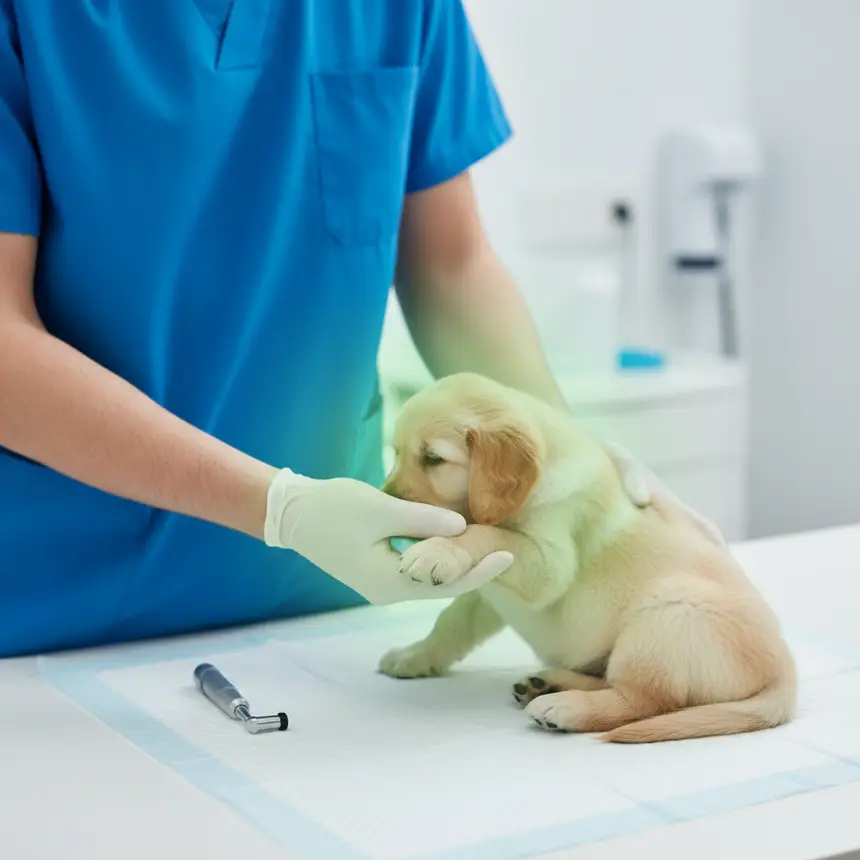
Understanding the Vaccination Types and Schedule
Puppy vaccinations are not a one-time event but rather a series of injections administered over several weeks to build robust immunity. The process generally begins around 6-8 weeks of age, with subsequent boosters given every 3-4 weeks until the puppy is approximately 16-20 weeks old. This series typically includes core vaccines that protect against highly contagious and potentially fatal diseases such as canine distemper, parvovirus, adenovirus (hepatitis), and parainfluenza. Non-core vaccines, like those for kennel cough, leptospirosis, or Lyme disease, may also be recommended based on your puppy's lifestyle, geographic location, and exposure risks. Rabies vaccination is usually a legally mandated requirement. It is crucial to consult with your veterinarian to establish a personalized vaccination schedule tailored to your puppy's individual health status and environmental factors. Keeping accurate records of vaccination dates is essential.

Key Practices Before and After Your Puppy's Vaccination
Proper care before and after vaccinations is vital for maximizing their effectiveness and ensuring your puppy's safety. Prior to any vaccination, your puppy must be in good health. If they are exhibiting any signs of illness, such as diarrhea, vomiting, coughing, or lethargy, it's essential to postpone the vaccine and consult your veterinarian. Administering a vaccine to an unwell puppy can worsen their condition or reduce the vaccine's efficacy. Post-vaccination, provide a quiet and comfortable environment for your puppy to rest. Avoid strenuous exercise, long trips, or bathing for 24-48 hours. It's common for puppies to experience mild, temporary side effects like slight fever, soreness at the injection site, reduced appetite, or lethargy. These usually resolve within a day or two. However, be vigilant for more severe reactions such as facial swelling, persistent vomiting, severe diarrhea, difficulty breathing, or collapse, and contact your vet immediately if any of these occur. Until the full vaccination series is complete and immunity is well-established, minimize exposure to public areas or other dogs to prevent infection. Maintain their regular diet to easily monitor any changes in their health.
A Foundation of Health: Consistent Care and Diligent Observation
The puppy vaccination process is more than just a series of injections; it's an ongoing commitment to their health that requires consistent attention from pet parents. Adhering to the scheduled vaccinations and meticulously observing your puppy for any subtle changes are paramount. Keeping a log of your puppy's daily habits—including appetite, stool consistency, activity levels, and sleeping patterns—can be incredibly helpful in detecting any deviations that might indicate a health concern. These detailed observations also provide invaluable information to your veterinarian during check-ups, enabling more accurate assessments and tailored care. By proactively managing their vaccination schedule and providing attentive post-vaccine care, you are laying a strong foundation for a healthy, happy, and long life together. This diligent effort is a true testament to your love and responsibility as a pet parent, ensuring your puppy thrives in their new world.
Frequently Asked Questions
Q. When should I start my puppy's vaccination schedule?
A. It's generally recommended to begin your puppy's vaccination series around 6 to 8 weeks of age, as maternal antibodies start to wane. Your veterinarian will create the most appropriate schedule based on your puppy's specific needs.
Q. My puppy seems tired after their shots. Is this normal?
A. Yes, mild lethargy, a slight fever, or reduced appetite are common and usually temporary side effects after vaccination. These typically resolve within 1-2 days. However, if symptoms are severe or persist, contact your veterinarian immediately.
Q. Can my puppy go for walks or interact with other dogs right after their vaccinations?
A. It's best to avoid public places and contact with unknown dogs until your puppy has completed their full vaccination series and developed sufficient immunity. Your vet will advise when it's safe to fully socialize your puppy outdoors.
Q. What if my puppy is sick on the day of their scheduled vaccination?
A. If your puppy shows any signs of illness like diarrhea, coughing, or lethargy on vaccination day, you should postpone the appointment and consult your veterinarian. Vaccinations are most effective when given to a healthy puppy.
Q. Should I change my puppy's food during the vaccination period?
A. It's generally advisable to maintain your puppy's regular diet during the vaccination period. Sudden food changes can cause digestive upset, making it difficult to distinguish between vaccine-related side effects and dietary issues. Consistency helps in monitoring your puppy's health.