Dog socialization training is crucial for puppies to positively experience the world and grow into balanced adults. Discover effective socialization methods to build a joyful life with your canine friend.

A Puppy's First Steps into a Brand New World
Bringing a new puppy home is an incredibly joyful experience. That tiny ball of fluff fills the house with happiness and excitement. However, many new pet parents soon encounter unexpected behavioral challenges. Perhaps your puppy barks frantically at the doorbell, becomes overly excited or fearful when seeing other dogs during walks, or displays anxiety in everyday situations. These behaviors aren't just isolated incidents; they often signal a lack of early life experiences, highlighting the critical importance of dog socialization training. The diverse experiences a puppy has during its formative months profoundly shape how it perceives and reacts to the world throughout its life.
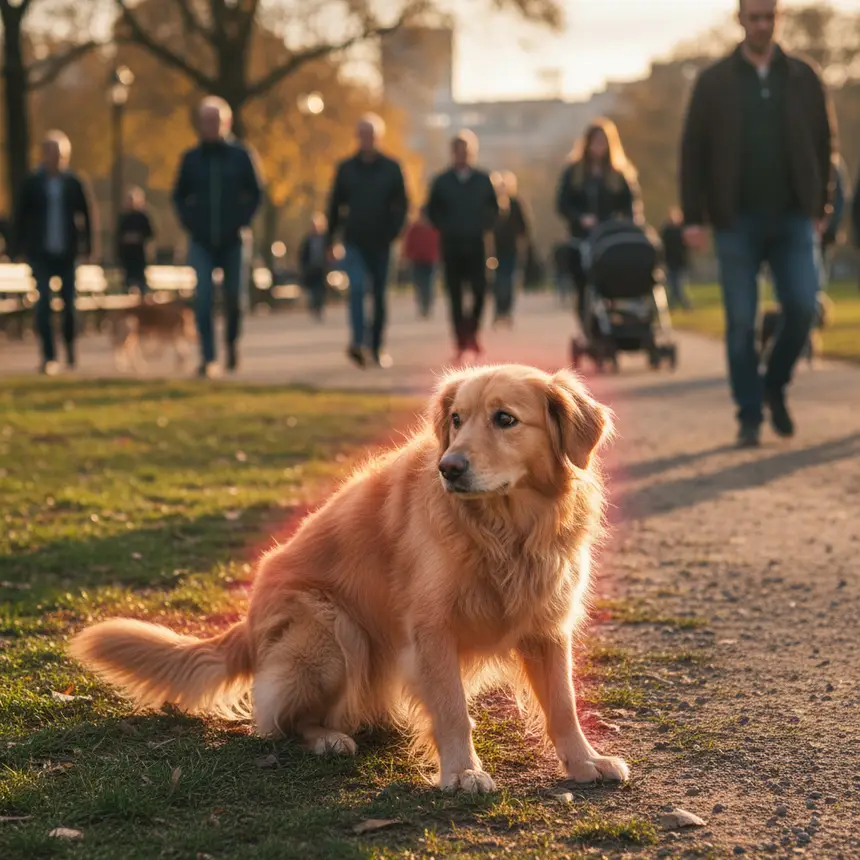
Potential Issues from Missed Socialization Opportunities
A puppy's early interactions with the world are far more significant than just learning potty training or completing vaccinations. The period from approximately 3 weeks to 16 weeks of age is known as the 'socialization sensitive period,' and the experiences during this time heavily influence a dog's lifelong personality and behavioral patterns. If puppies do not positively encounter a variety of people, sounds, environments, and other animals during this crucial window, several difficulties can arise. For instance, they might develop excessive wariness or aggressive reactions towards strangers, react excessively to minor noises with barking or signs of anxiety. Furthermore, they may struggle with interactions with other dogs or develop severe fear, making walks a highly stressful event. These issues not only diminish a dog's quality of life but can also negatively impact the bond with their owner, underscoring why early dog socialization training is so vital.
※ This post contains affiliate links. I may earn a commission at no extra cost to you.


A Step-by-Step Approach for Successful Socialization
Achieving successful dog socialization training requires several key approaches. First and foremost, consult with your veterinarian about your puppy's health status and vaccination schedule. Vaccinations are typically administered in a series over several weeks, and it's crucial to expose your puppy to external environments at the appropriate times, following your vet's guidance. Before vaccinations are fully complete, it’s advisable to carry your puppy for short outings to expose them to various sounds like car engines and human conversations, helping them become accustomed to different sights and sounds. Second, focus on providing positive experiences. Each time your puppy encounters a new environment or object, create a positive memory with tasty treats or enthusiastic praise. Third, proper oral development management is an integral part of socialization. During the teething phase, which typically begins around 3-4 months of age, puppies have a strong urge to chew. Provide plenty of safe, chewable toys and dental chews to encourage healthy chewing habits. During this period, it's more effective to redirect them to appropriate items rather than simply scolding them.
Effective Socialization Methods in Daily Life
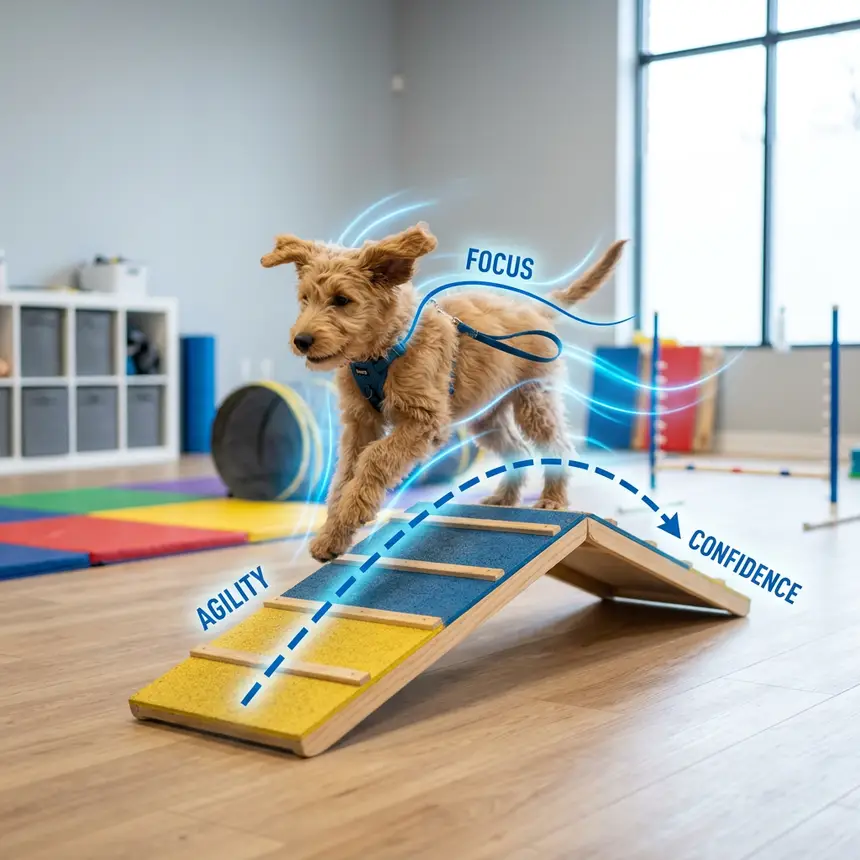
Dog socialization training isn't just for specific classes or locations; it should be a natural part of daily life with your pet. Here are concrete methods you can implement both at home and during outings:
- Diverse Environmental Exposure: In a safe, controlled setting, introduce your puppy to various floor textures (grass, dirt, tile), sounds (vacuum cleaner, television, music), and smells. Start with short periods and gradually increase the duration.
- Positive Encounters: Arrange brief, positive meetings with calm, well-mannered dogs and people. Always supervise closely to ensure your puppy isn't frightened or overwhelmed.
- Puppy Classes: Professional puppy classes or socialization programs offer an excellent opportunity for structured, safe, and diverse experiences under expert guidance.
- Learning Through Play: Incorporate various games like tunnel navigation or obstacle courses to build adaptability to new situations and boost confidence.
- Praise and Rewards: Reinforce positive memories by offering generous praise and rewards for all positive experiences and calm behaviors.
A Long-Term Investment for a Happy Companion
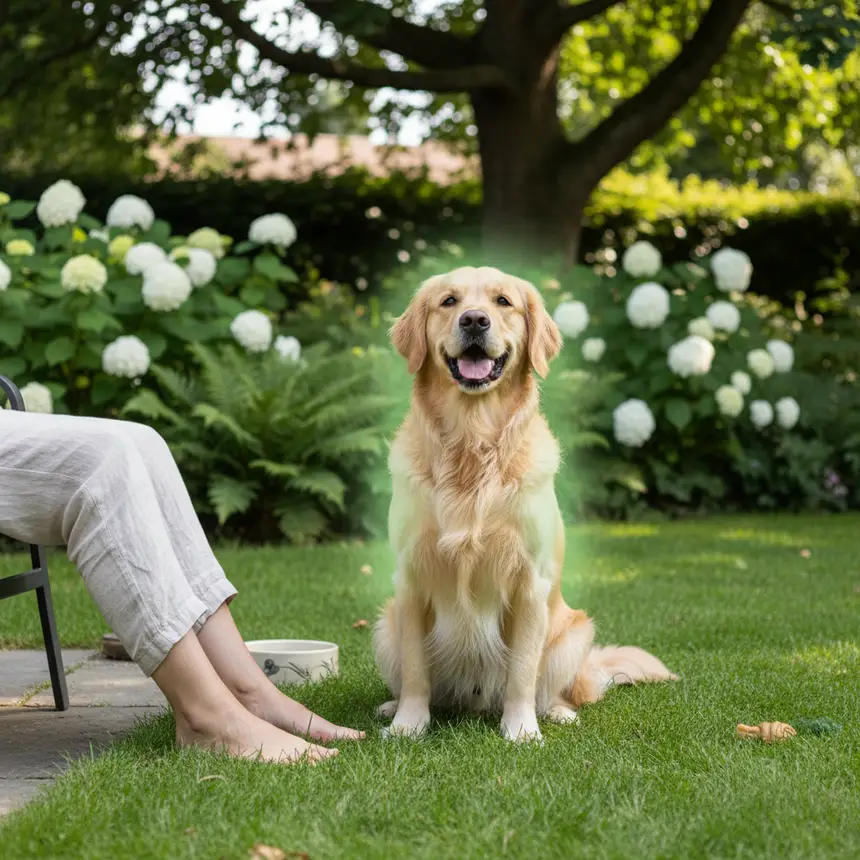
Dog socialization training during puppyhood goes beyond simply teaching specific behaviors; it lays an essential foundation for your dog to perceive the world positively and grow into a well-adjusted adult. While it might seem challenging or inconvenient at first, the time and effort invested during this critical period will provide your dog with the confidence and stability they need to navigate life. A well-socialized dog is less anxious in new environments, displays an open attitude towards new experiences, and interacts harmoniously with other animals and people. This not only enhances your dog's quality of life but also strengthens your bond and enriches the time you spend together. With consistent attention and love, help your puppy grow into a happy, healthy, and well-integrated member of society, starting today.
Frequently Asked Questions
Q. When is the best time to start dog socialization training?
A. The period between 3 to 16 weeks of age is the socialization sensitive period, making it the most effective time to start. It's crucial to consult with your veterinarian and provide diverse experiences early on in a safe manner, regardless of the full vaccination schedule.
Q. Can adult dogs that missed early socialization still improve?
A. Yes, significant improvement is possible. However, it may take more time and patience compared to puppies. It's advisable to seek assistance from a positive reinforcement training professional for a structured approach.
Q. What should I do if my puppy shows fear during socialization training?
A. If your puppy shows fear, immediately remove them from the stimulus to make them feel safe. Instead of forcing exposure, gradually reintroduce the situation at a lower intensity, focusing on building positive associations.
Q. How should I manage my puppy's interactions with other dogs?
A. Not all dog encounters are beneficial. Prioritize short, controlled meetings with calm, healthy dogs known to be friendly towards other canines. Always ensure these interactions occur under your close supervision.
Q. How can I socialize my puppy before all their vaccinations are complete?
A. Before vaccinations are fully complete, it's best to carry your puppy in your arms in safe environments, exposing them to various sounds, smells, and sights rather than letting them walk on the ground. Also, expose them to diverse objects and sounds indoors. Always consult your veterinarian for safe socialization methods.