Struggling with large dog walks? Discover how to choose the right dog harness for comfort and safety for both you and your pet. Elevate your walking experience with the perfect harness selection.

Transforming Large Dog Walks: The Harmony of Comfort and Control
Walking a large dog should be a joyful experience for both pet parents and their canine companions. However, the powerful pull of a strong dog, especially breeds weighing up to 60-70 pounds or more, can sometimes turn a pleasant stroll into a challenging ordeal, straining wrists and shoulders. The key to overcoming these difficulties and significantly enhancing the quality of your walks lies in selecting the appropriate dog harness. A well-chosen harness alleviates discomfort for your dog, allowing them to move freely and enjoy their surroundings, while simultaneously providing the pet parent with stable control. This stability reduces unnecessary tension, making walks more relaxed and enjoyable. More than just a walking aid, the right large dog harness strengthens the bond between you and your pet, fostering safer and more engaging outdoor adventures. With the perfect harness, every walk can become a source of happiness for both you and your beloved big dog.
Essential Criteria for Selecting a Large Dog Harness
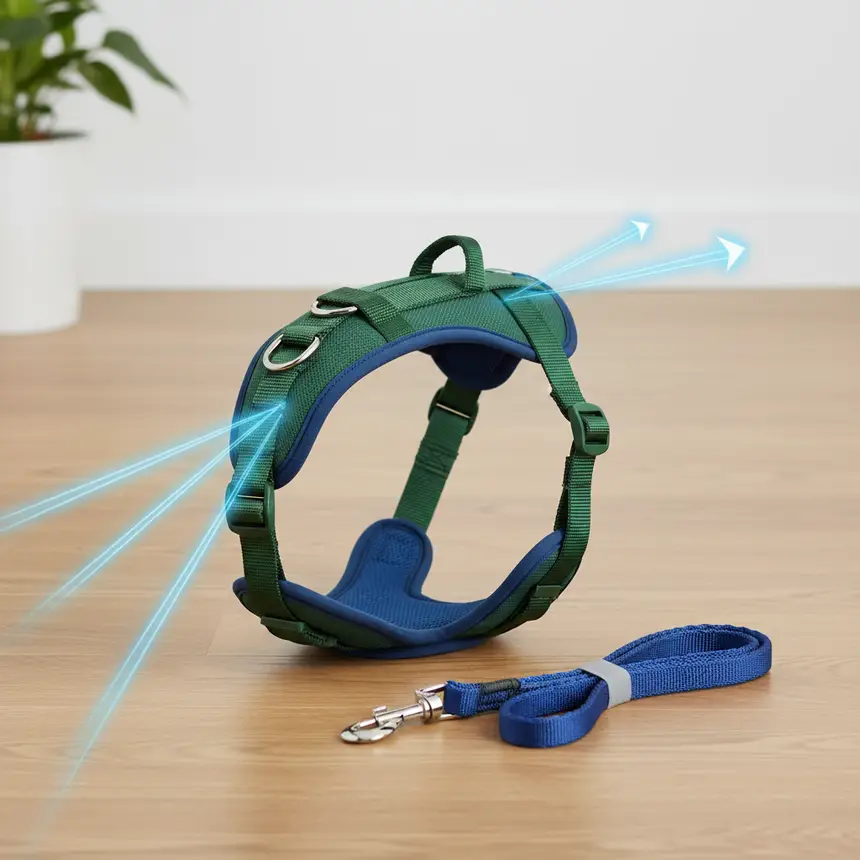
When choosing a dog harness suitable for a large breed, several critical factors must be taken into account. Firstly, secure fit and material quality are paramount. Ensure that the parts of the harness in contact with your dog's body are made from soft, breathable materials with ample padding to minimize pressure and prevent chafing. Thin or rough materials can cause skin irritation. Secondly, a wide range of size options is crucial. To find the perfect fit, the harness should offer diverse sizing that accommodates everything from very small breeds to large dogs up to 110 pounds. An ill-fitting harness, whether too big or too small, can impede movement or pose safety risks. Thirdly, robust D-rings and buckles are non-negotiable. Always verify that the metal components are strong and durable enough to withstand the significant force of a large dog. Fourthly, consider leash attachment points that match your walking style. Harnesses with a back clip offer a comfortable walking experience, while front clips can effectively deter pulling and assist in behavior correction. Dual-clip harnesses provide versatile options. Lastly, the presence of a traffic handle or grab handle on the back can be invaluable for quick control in crowded areas or during unexpected situations.
※ This post contains affiliate links. I may earn a commission at no extra cost to you.

Harness Usage Best Practices and Ideal Candidates
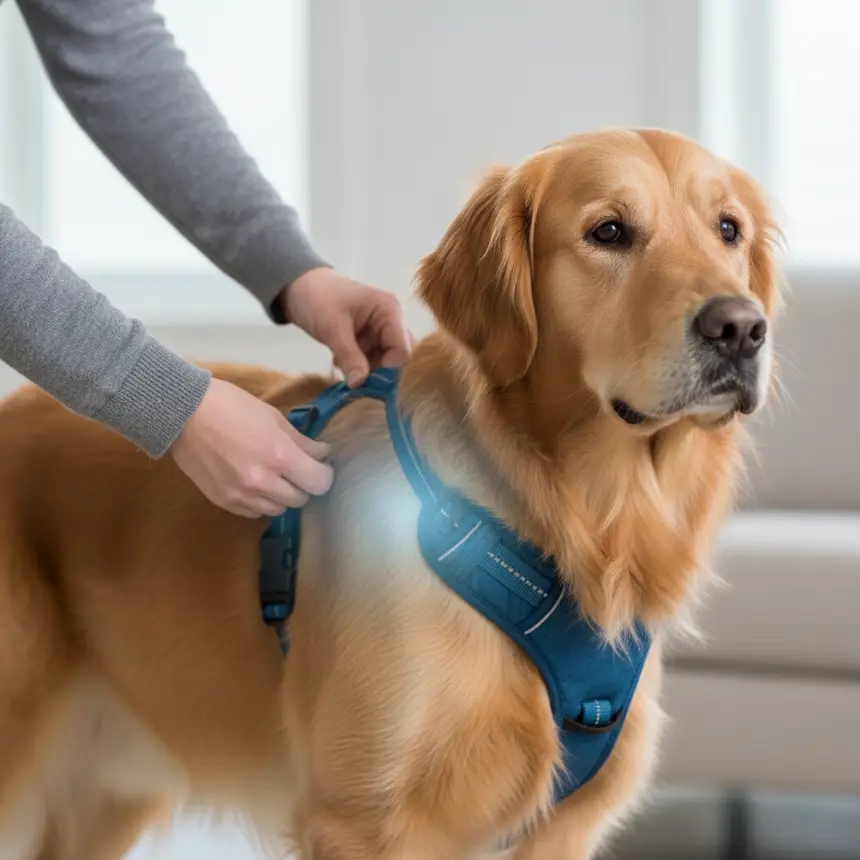
When introducing a new dog harness, it's important to keep a few guidelines in mind. First and foremost is correct fitting. The harness should be snug but not too tight, nor too loose. A good rule of thumb is to ensure you can comfortably slide two fingers between the harness and your dog's body. Confirm that your dog can move freely without discomfort during a short trial walk indoors. Secondly, regular inspections are vital. Before and after each use, check for any signs of wear, fraying, or damage to the straps or connection points to prevent potential safety hazards. Thirdly, it's beneficial to understand the distinction between collars and harnesses. While collars can be useful for specific training commands or brief transfers, for extended walks or dogs with strong pulling tendencies, a harness is far superior as it distributes pressure more evenly across the chest and shoulders, enhancing comfort.
This type of dog harness is particularly recommended for the following pets and owners:
Choosing and properly fitting the right harness is essential not only for your dog's health and safety but also for ensuring a pleasant and stress-free walking experience for you, the pet parent.
This type of dog harness is particularly recommended for the following pets and owners:
- Individuals who own large dogs that pull significantly during walks, leading to owner fatigue.
- Those who wish to provide their canine companion with a more comfortable and secure walking experience.
- Pet parents needing effective control over their dog in crowded areas or during sudden, unexpected events.
- Dogs with high activity levels that require durable and robust walking gear.
Choosing and properly fitting the right harness is essential not only for your dog's health and safety but also for ensuring a pleasant and stress-free walking experience for you, the pet parent.
Frequently Asked Questions
Q. What type of dog harness is best suited for large breeds?
A. For large dogs, Y-shaped or H-shaped harnesses that evenly distribute pressure and absorb shock are ideal. It's crucial to select products with ample padding on the chest and back, made from durable materials with robust metal components.
Q. How do I accurately measure my dog for a harness?
A. Precisely measure your dog's neck girth (at the widest part of the neck) and chest girth (around the widest part of the rib cage, just behind the front legs). When choosing a harness, add about 0.5 to 1 inch to these measurements for a comfortable fit.
Q. What is the difference between a front-clip and a back-clip harness?
A. A front-clip harness helps redirect your dog's forward momentum sideways when they pull, making it effective for leash training and reducing pulling. A back-clip harness offers more freedom of movement and comfort for general walks. Harnesses with both options can be versatile, allowing you to choose based on your dog's training level and the purpose of the walk.
Q. What should I do if my dog seems uncomfortable in their harness during a walk?
A. First, check if the harness size is appropriate and if it's neither too tight nor too loose. Examine the material for any irritation to the skin and ensure no specific areas are experiencing excessive pressure. Initially, it's best to provide positive reinforcement with treats for short periods while wearing the harness to help your dog adapt.
Q. Is there a recommended replacement schedule for large dog harnesses?
A. While it depends on usage frequency and maintenance, it's generally advisable to inspect your harness annually or bi-annually and consider replacement. If you notice any fraying of straps, damage to buckles, or loose stitching, replace it immediately to ensure safety.