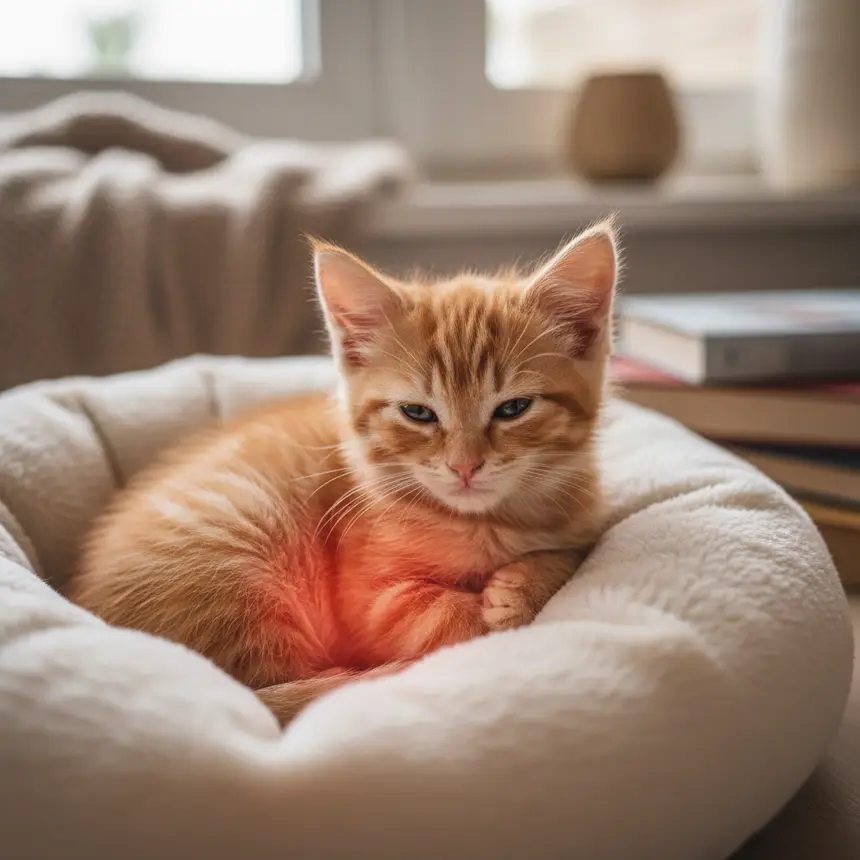
Essential guide to kitten vaccinations for healthy growth. Understand optimal cat vaccination schedules, the importance of rabies shots, and how to effectively boost your feline's immunity.

Kitten Vaccinations: Building an Essential Immune Shield
For a kitten to grow into a healthy adult cat, vaccinations are of paramount importance. Young felines possess an immature immune system, leaving them highly susceptible to various infectious diseases. Timely kitten vaccinations act like a robust shield, protecting them from these threats. The initial immunity passed from their mother gradually wanes, making it critical to fill this immunological gap with vaccines. This not only helps prevent illness but also establishes a strong foundation for your cat to lead a long, vibrant life. Vaccinations are a cornerstone of health management, granting our feline friends the freedom to play, explore, and thrive in their environment.
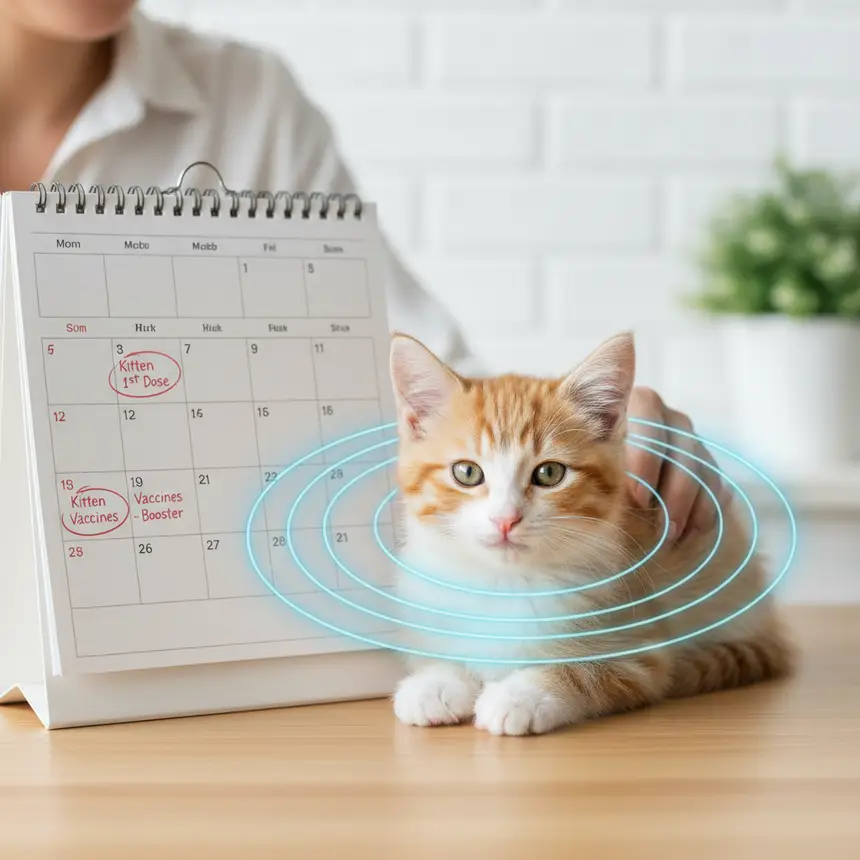
Feline Vaccination Schedule & Rabies Vaccine: A Structured Health Roadmap
Following a structured vaccination plan is one of the most effective ways to safeguard your cat's well-being. The primary kitten vaccination series typically begins around 8 weeks of age, coinciding with the decline of maternal antibodies.
- The initial core vaccines are usually administered in three doses.
- First Dose: Around 8-9 weeks of age, initiating foundational immunity against common viral diseases.
- Second Dose: Administered approximately 3 weeks after the first, around 11-12 weeks of age, to bolster the immune response.
- Third Dose: Completed another 3 weeks later, around 14-15 weeks of age, to finalize robust foundational immunity.
※ This post contains affiliate links. I may earn a commission at no extra cost to you.

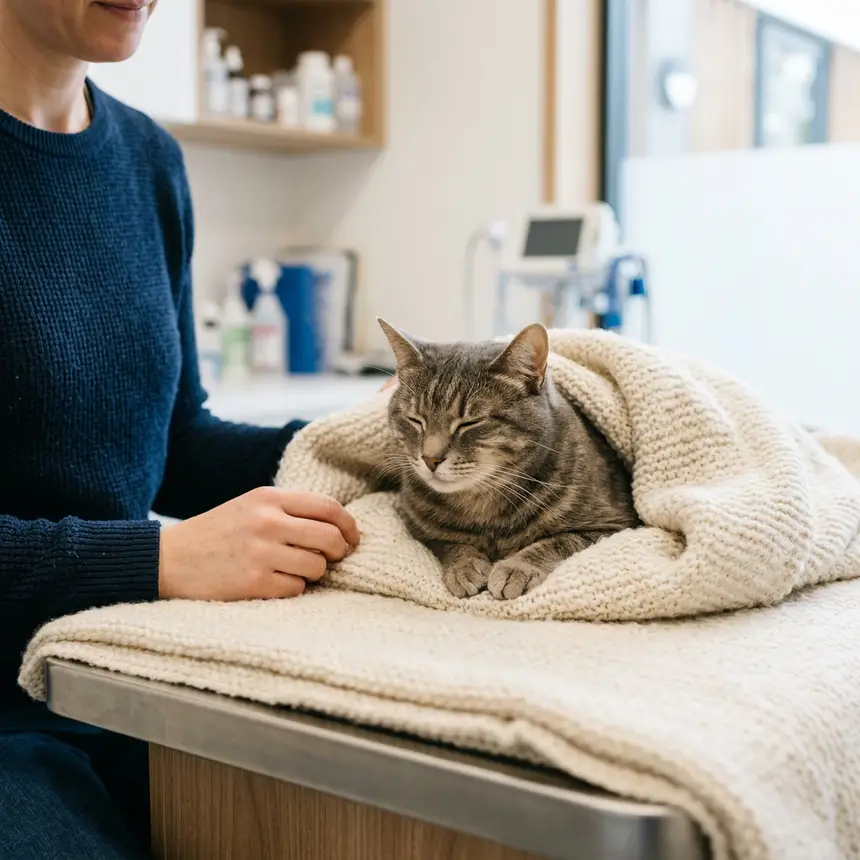
Practical Steps for Safe Vaccinations: Smart Preparation for Pet Parents
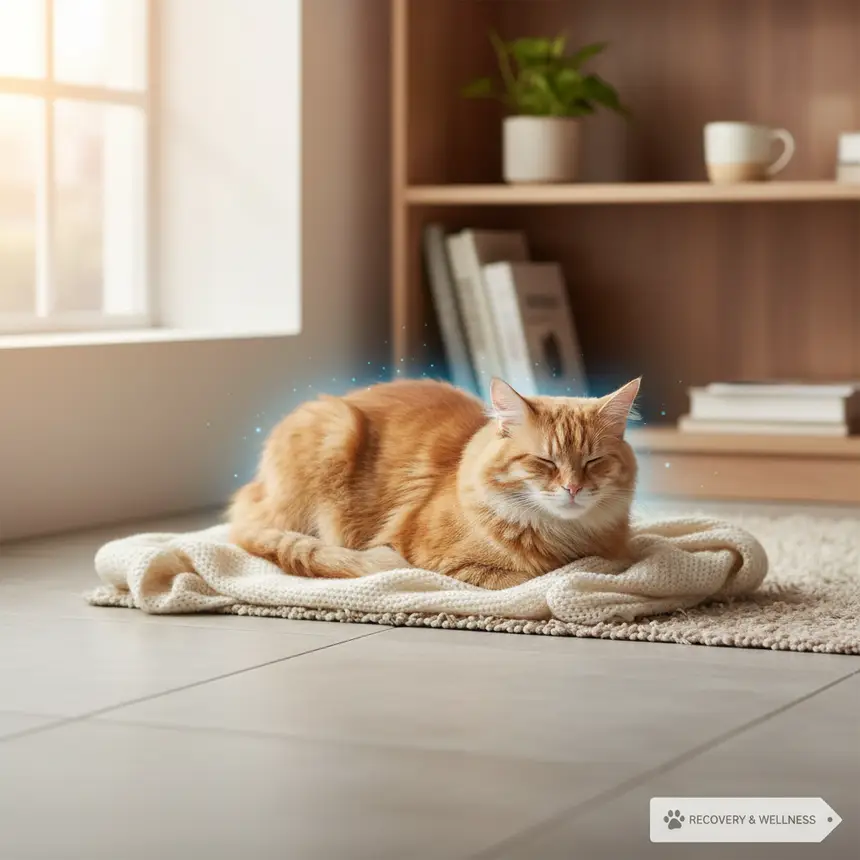
While vaccinations are a vital part of your cat's health regimen, ensuring your feline companion is in optimal condition during the process is paramount for safety. Before heading to the veterinary clinic on vaccination day, it's crucial to observe your cat's state carefully. Check if they are eating well and moving actively as usual, or if there are any unusual signs like lethargy or refusal to eat. If your cat seems unwell, it's best to consult your veterinarian about rescheduling rather than proceeding with the vaccination. On the day of the appointment, minimize any stressful activities like outings or exposure to unfamiliar environments. Instead, provide a calm and comfortable resting space at home. Furthermore, maintaining thorough vaccination records is a good practice to ensure you don't miss any upcoming booster appointments.
Post-Vaccination Care and Important Precautions for Your Cat
After any vaccination, it's essential to closely monitor your cat's reactions. Mild, temporary responses may occur, such as:
- Slight swelling or tenderness at the injection site
- Reduced appetite
- Temporary decrease in activity levels
Frequently Asked Questions
Q. Why are vaccinations so important for kittens?
A. Kittens gradually lose the immunity received from their mother, making them vulnerable to diseases. Vaccinations are crucial for protecting young cats from fatal infectious diseases like distemper and respiratory illnesses, helping them develop essential immunity for a healthy life.
Q. Is the feline rabies shot necessary for indoor-only cats?
A. Yes, the rabies vaccine is recommended even for indoor cats. Rabies is a fatal disease that can be transmitted to humans. There's always a potential, however small, for unexpected contact with the outside world, and many regions legally require vaccination. This is an important measure for the safety of both your cat and your household.
Q. What should I do if my cat shows adverse reactions after vaccination?
A. Mild reactions like swelling at the injection site, temporary loss of appetite, or reduced activity are common and usually disappear within 1-2 days. However, if severe symptoms such as significant facial swelling, high fever, vomiting, diarrhea, or difficulty breathing occur, you should contact your veterinarian immediately for examination.